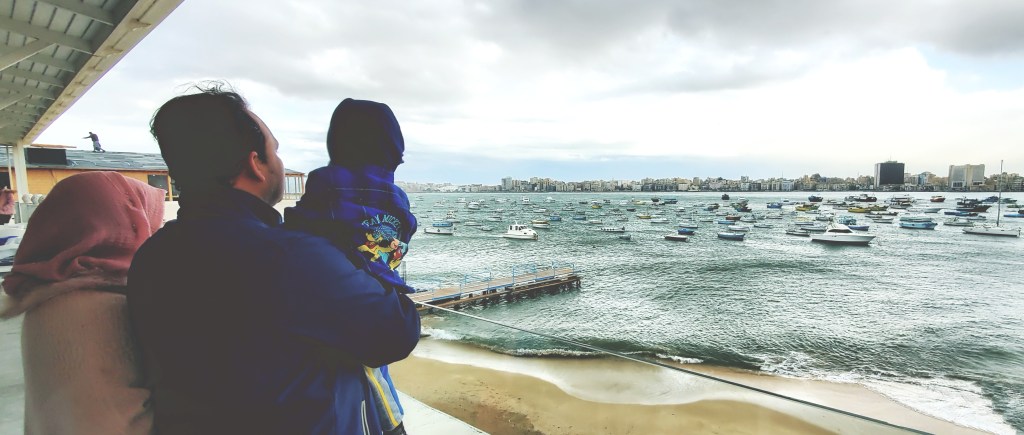

Alexandria Egypt has a very impressive and storied past, beginning with its founding by Alexander the Great around 331 B.C. Nicknamed the Pearl of the Mediterranean and affectionately referred to as Alex by locals, Alexandria is a Mediterranean port city and the second largest city in Egypt.
During the Hellenistic period, it was home to both the legendary Great Library of Alexandria and the Pharos, a lighthouse ranking among the Seven Wonders of the Ancient World. Alexandria was the setting for the stormy love story between Julius Caesar, Cleopatra, and Marc Antony as well as a cosmopolitan gathering spot for intellectuals in the early twentieth century.
The city has definitely lost some of the grandeur of its past and today’s Alexandria is filled with concrete apartment buildings, office buildings, and traffic-filled streets. However, with a bit of searching travellers can still find bits of Alexandria’s glorious past.
These include Greco-Roman monuments, beautiful gardens, the 15th century Qaitbay Citadel, palaces, Old-World cafés, the Alexandria Opera House, and even sunken treasure. Visitors can also seek knowledge at several museums, explore the modern Bibliotheca Alexandrina, relax at one of the city’s many beaches, and visit several important religious sites.
Many people visit Alexandria as a cruise stop or as a day trip from Cairo (as we did), but it can also be a great place to base for a few days. We share practical tips on getting to and getting around Alexandria, top things to do in Alexandria, and how to put together your own perfect itinerary for Alexandria Egypt.
Where is Alexandria Egypt?
Alexandria is located in north central Egypt along the coast of the Mediterranean Sea. Alexandria is located 225 km (140 miles) northwest of Cairo, taking about 2.5 to 3.5 hours to drive from one city to the other depending on route and traffic.
How to get to Alexandria
Most visitors reach Alexandria from Cairo. Both cities are only 2.5 hours apart, so visiting Alexandria from Cairo as a day trip is totally possible. The city has a lot to offer, but most tourist attractions can be seen comfortably in a single day, especially if you have a private taxi.
I personally don’t recommend public transport in Egypt, as it isn’t very reliable, quality isn’t great and it can be a bit unsafe for foreigners. Prices in Egypt are quite low, so booking a driver for the day or a guided tour is a more convenient option. However, if it’s the holiday season then prices jump a lot and suddenly everything becomes very expensive.
Our driver, Mr. Amir, with whom we have been to Hurghada, was present by the Cleopetra Hotel at Tahrir square by 9 am.
The Serapeum and Pompey’s Pillar
We first stopped at Pompey’s Pillar. The area where this monument is located is called the Acropolis of Alexandria, where significant buildings and religious temples were built. It included the famous Serapeum, an ancient Greek temple dedicated to Serapis, protector of the city.

After the death of Alexander the great, the Ptolemaic leaders divided the great empire. Egypt was given to Ptolemy I, the founder of the Ptolemaic dynasty. It was during this time that most of the buildings that used to stand here were constructed.
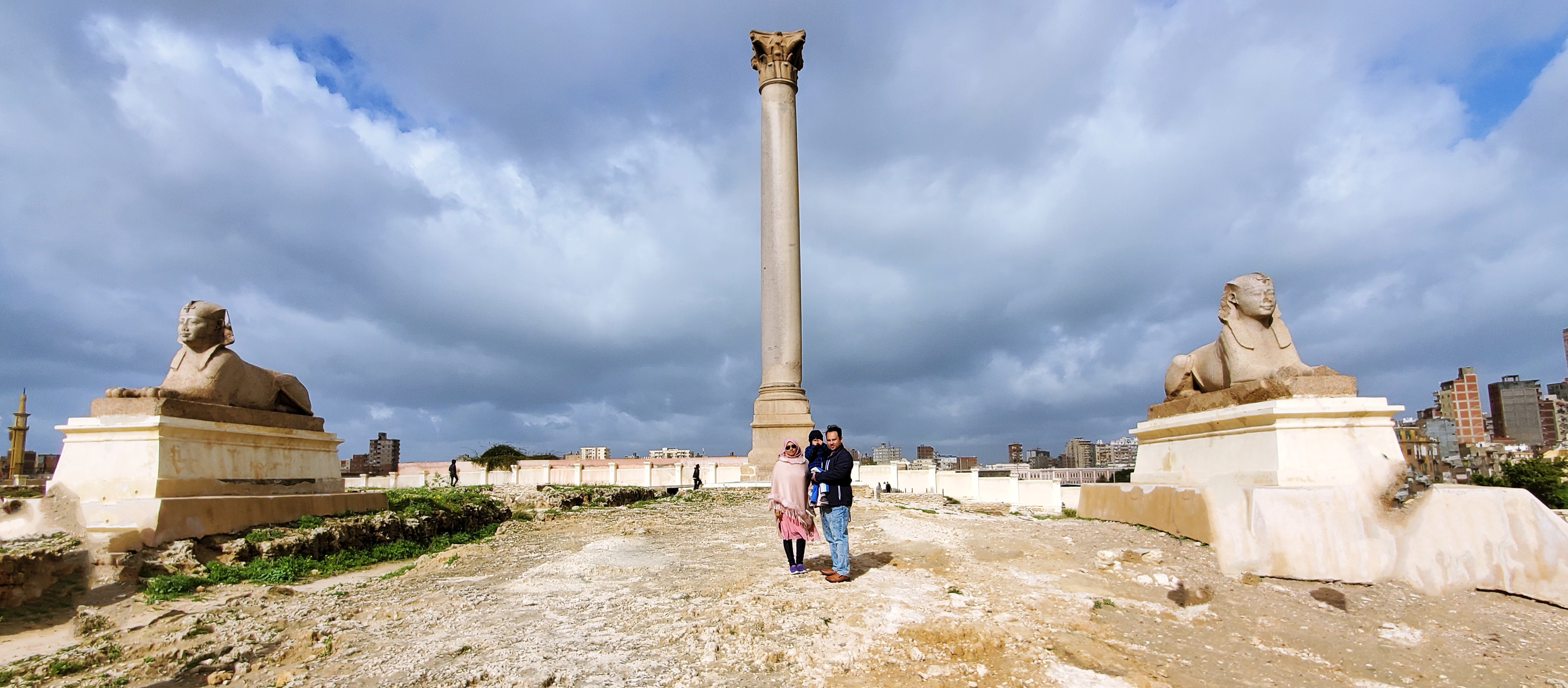
Pompey’s Pillar is one of the most famous past glories of Alexandria. It has been estimated that this pillar was in the middle of a portico containing some 400 columns. The pillar is the tallest ancient monument in Alexandria. The pillar is a huge column of red granite with a total height, including th base and the capital is 26.85 m. It was constructed in honour of the emperor Diocletian. The column was wrongly called by the Crusaders as Pompey’s Pillar because they believed that the ashes of Pompey the Roman general who escaped to Egypt from Julius Caesar and was killed by the Egyptians were put in a pot on the capital of the column.

The Roman Amphitheatre of Alexandria
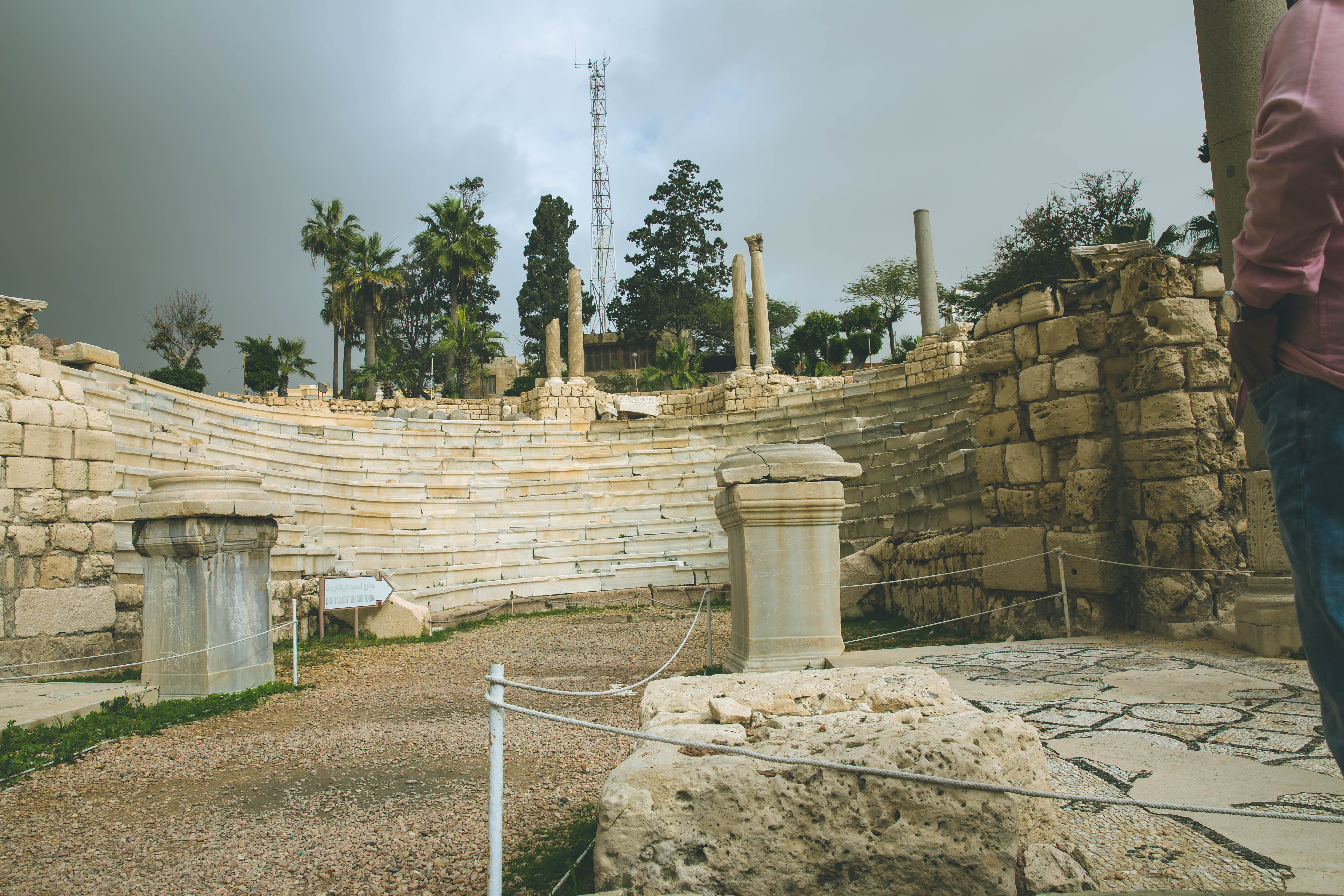
From Pompey’s Pillar we went downtown to explore the ruins of the Roman Ampitheatre. It was not just like being transported back in time, but it felt like being transported to a different place altogether. There are modern buildings all around the place as you can see from the pictures below, so it has lost some of its charms of being an ancient site.
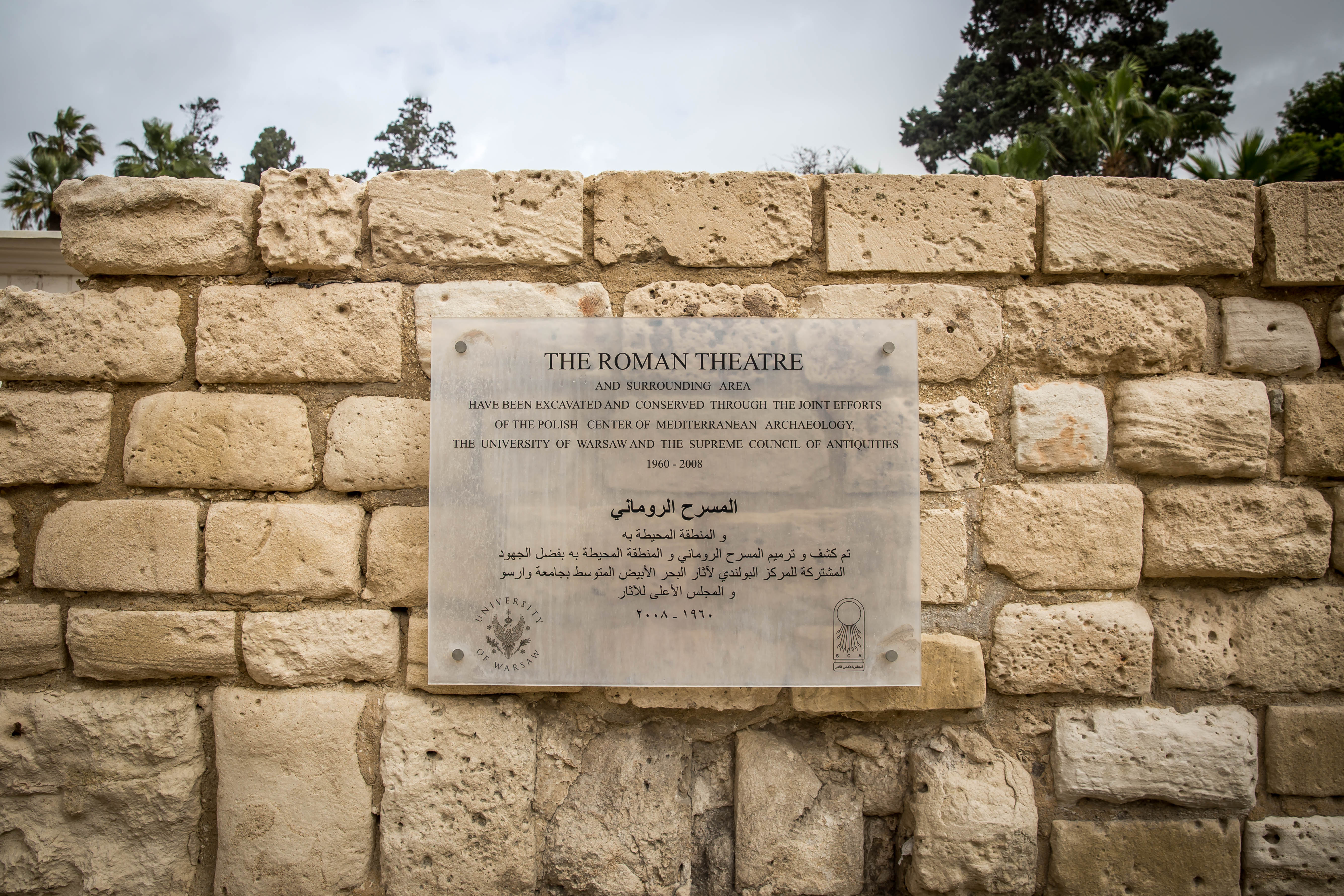

The Roman Amphitheater is the most complete Roman ruin in Egypt. Dating from the 2nd century A.D., it is a small amphitheater that was used by the Romans for poetry and music. On the site, other ruins have also been excavated including a bath house and a villa with some well-preserved mosaics.

The Lighthouse, not the ancient one
The city of Alexandria was famous for being home to one of the Seven Wonders of the Ancient World: The Lighthouse of Alexandria. It was estimated to be 100 meter in height, and it ended up being abandoned after it was severely damaged by multiple earthquakes. Its ruins survived until 1480 when the last stones were used to build the Citadel of Qaitbay that can be found now on the exact same location.
This frequently-photographed lighthouse is on the “King’s Tea Island” in front of the Montazah Palace at the eastern end of Alexandria. The lighthouse was built by King Farouk I, apparently in the late 1930s.

Abu al Abbas Al Mursi mosque
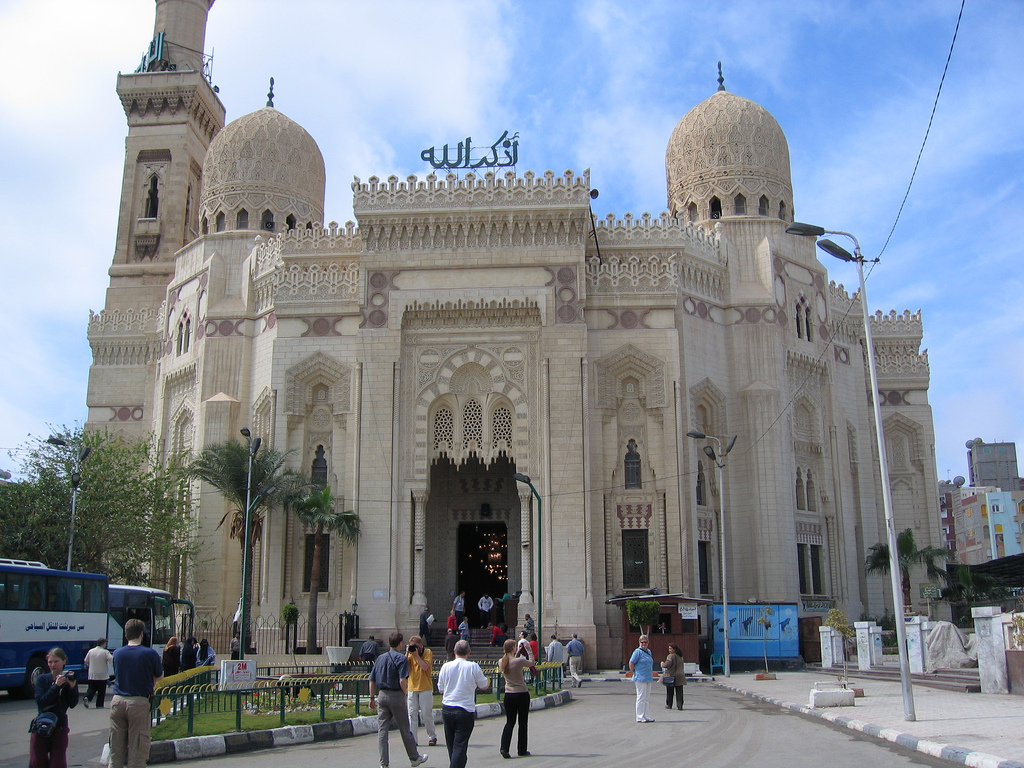
Since it was Friday, I offered my Jumaa prayers on at a local mosque. There are many beautiful mosques in Alexandria but the one I went to Abu al Abbas Al Mursi mosque.
After the Friday prayers, we went to have lunch at a local Greek restaurant called White and Blue near the Citadel of Qaitbay. There are many seafood restaurants with views located within walking distance of the Citadel of Qaitbay and eastern habor, such as the popular White and Blue Restaurant (also known as the Greek Club, 2 minutes from citadel) located on the top floor above the Greek Nautical Club of Alexandria. Another popular nearby restaurant with a view (although a bit pricey) is the Fish Market (15 minute walk from citadel) When in Alexandria, you must have sea food. It was a very delicious and fulfilling lunch as you can see from the pictures below.

We selected the above fish to be grilled fresh. The photo below shows the fresh fish on display before they are weighed and taken to the kitchen.


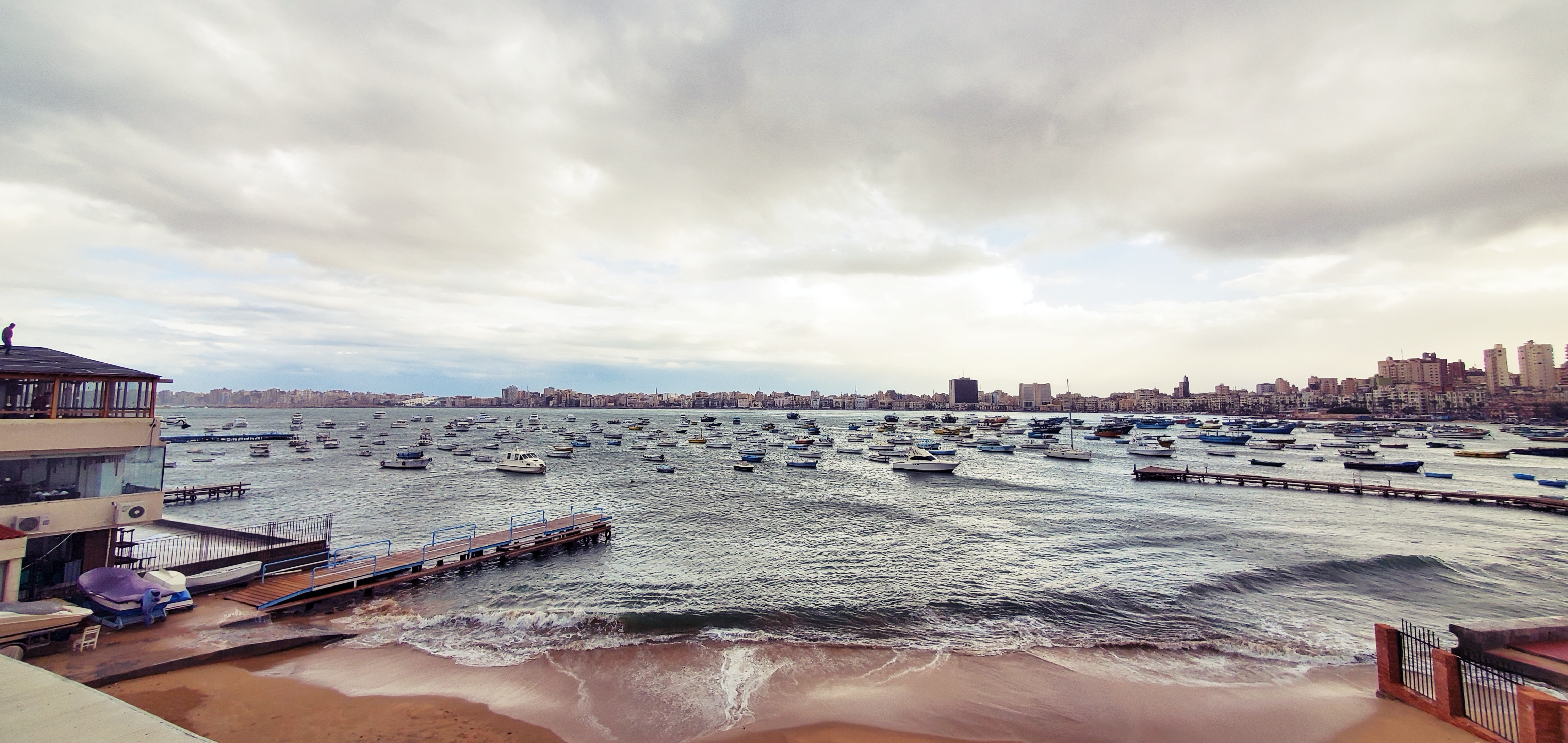
The Mediterranean sea is quite rough in contrast to the red sea we had stayed beside for 6 nights in Hurghada.

Citadel of Qaitbay/ Qaitbay Fortress
After a hearty lunch, we set out to the famous Citadel of Qaitbay.

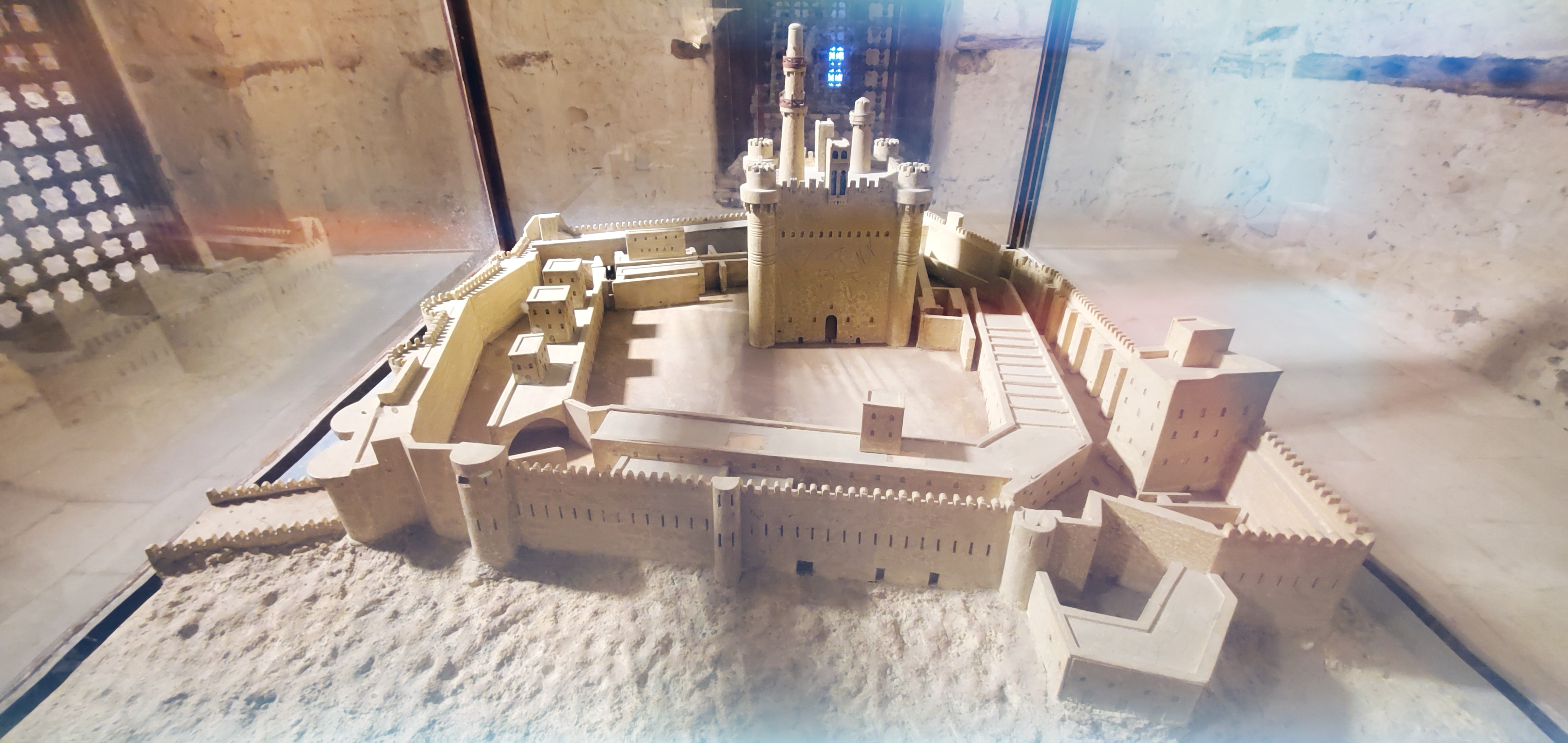
The fort was build in the 15th century by the Mamluks after sultan Qaitbay visited the city and ordered his men to construct a fortified citadel in the same exact place where the lighthouse once stood.
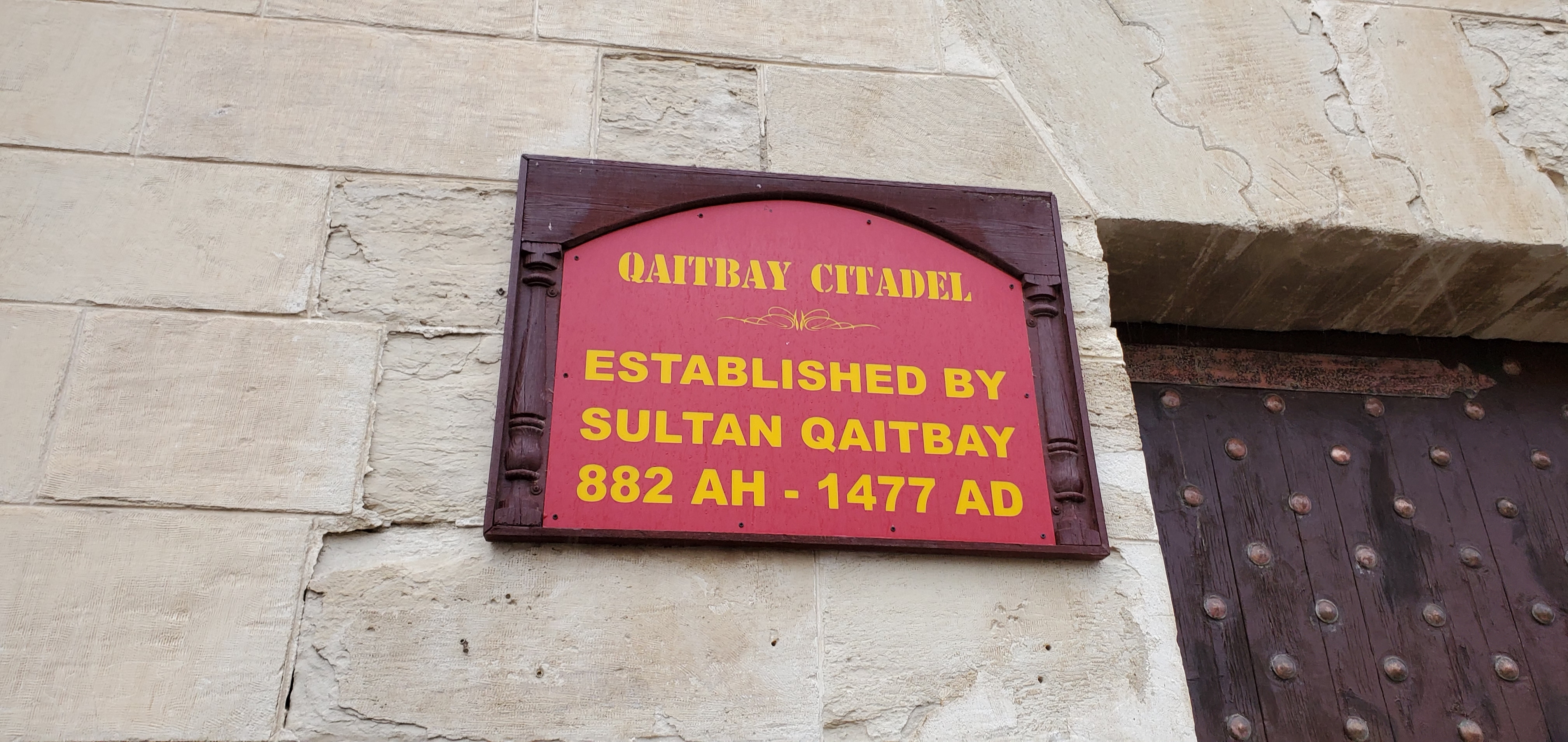
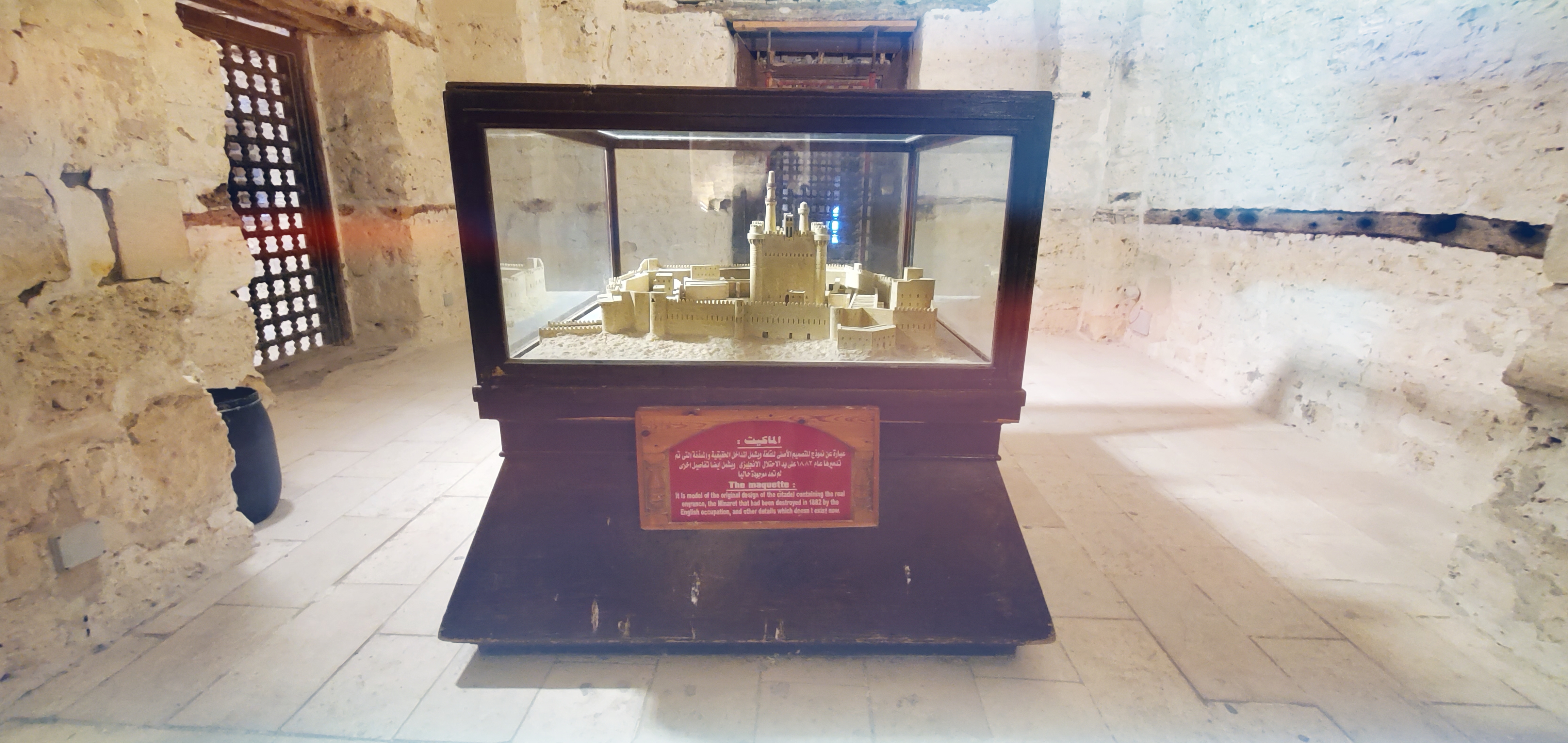
Wooden model of the entire citadel.
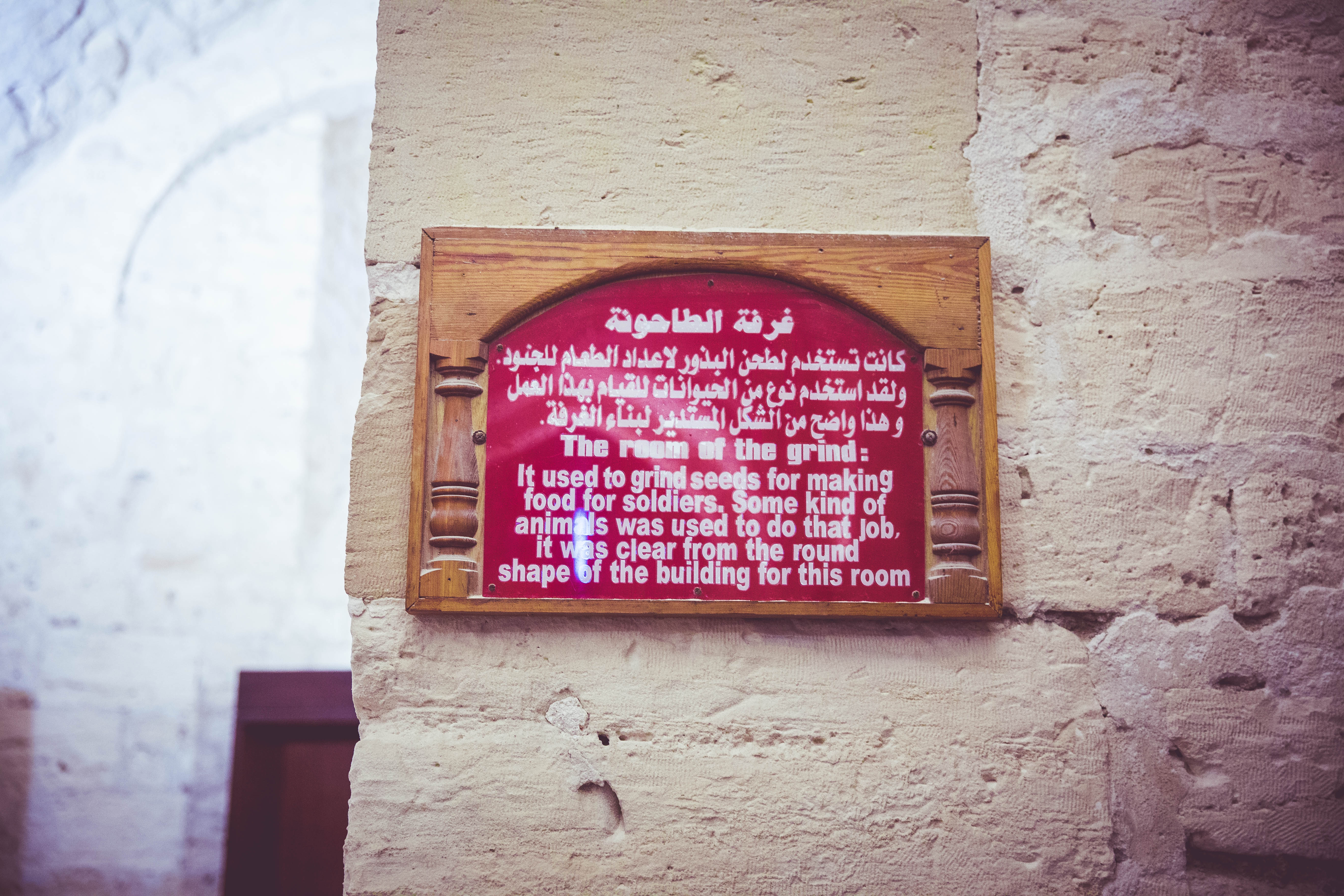
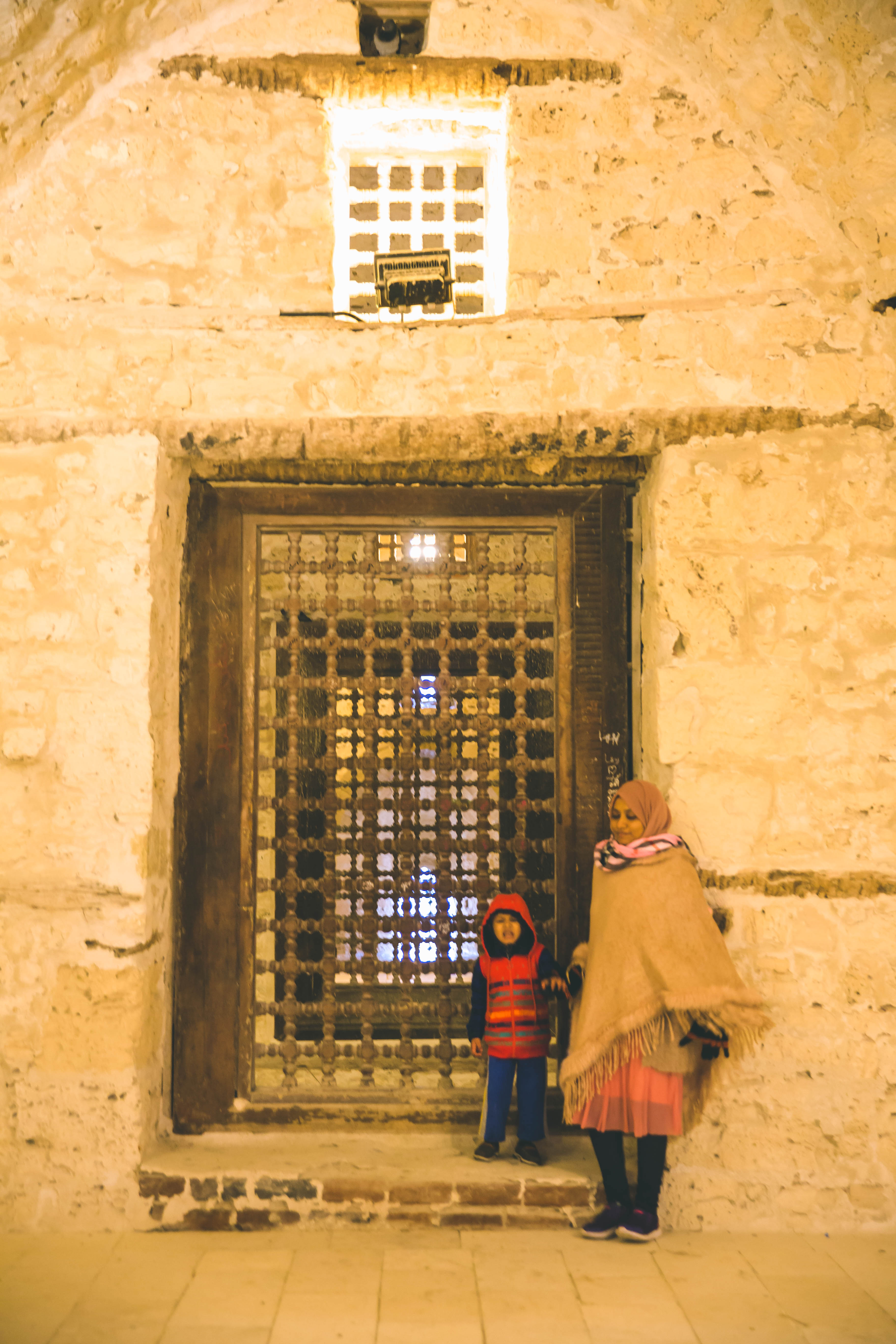
The main wooden door which lies on display at a room inside the citadel.


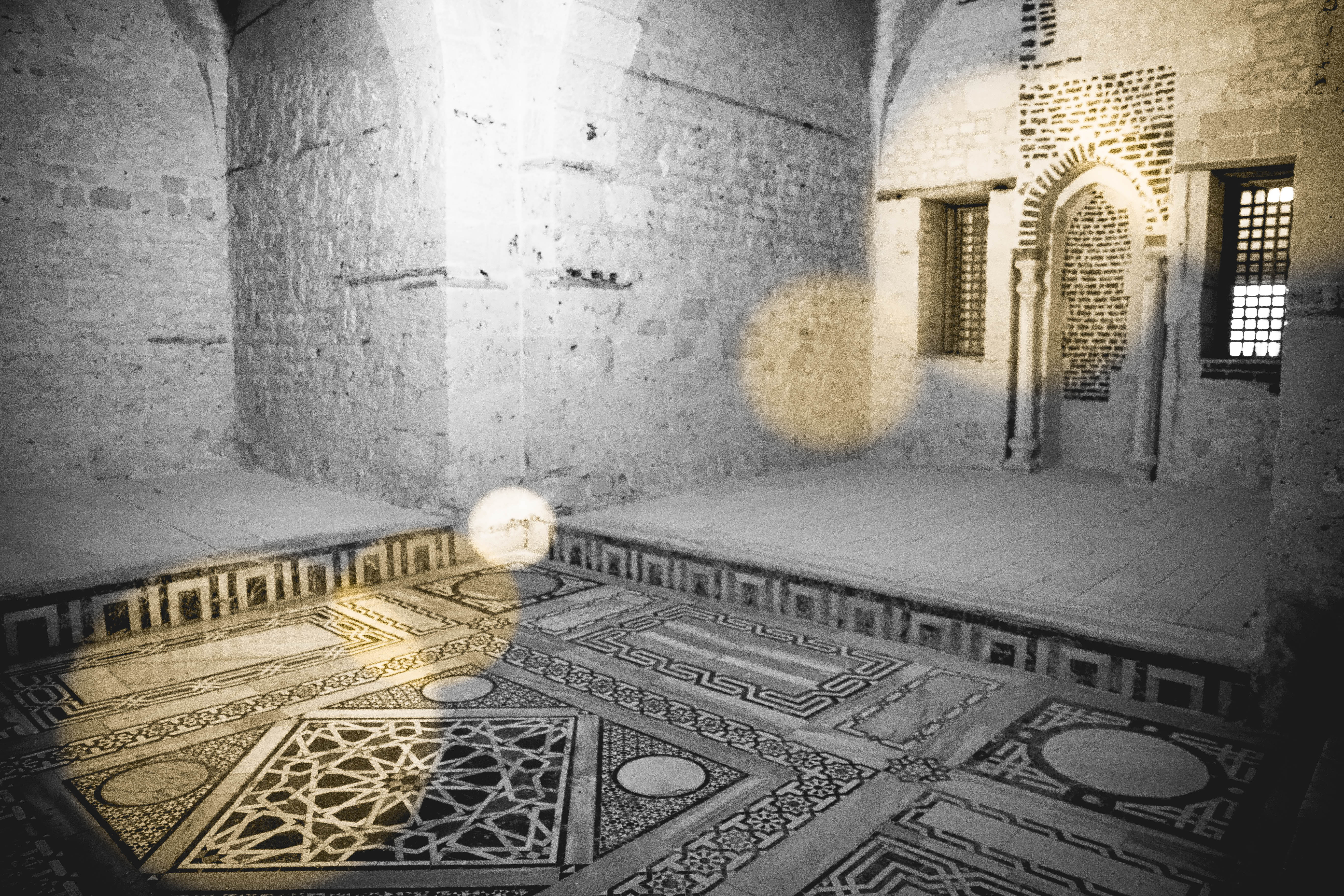
The mosque where soldiers prayed while they stayed inside the fortress and guarded the city from foreign invaders.
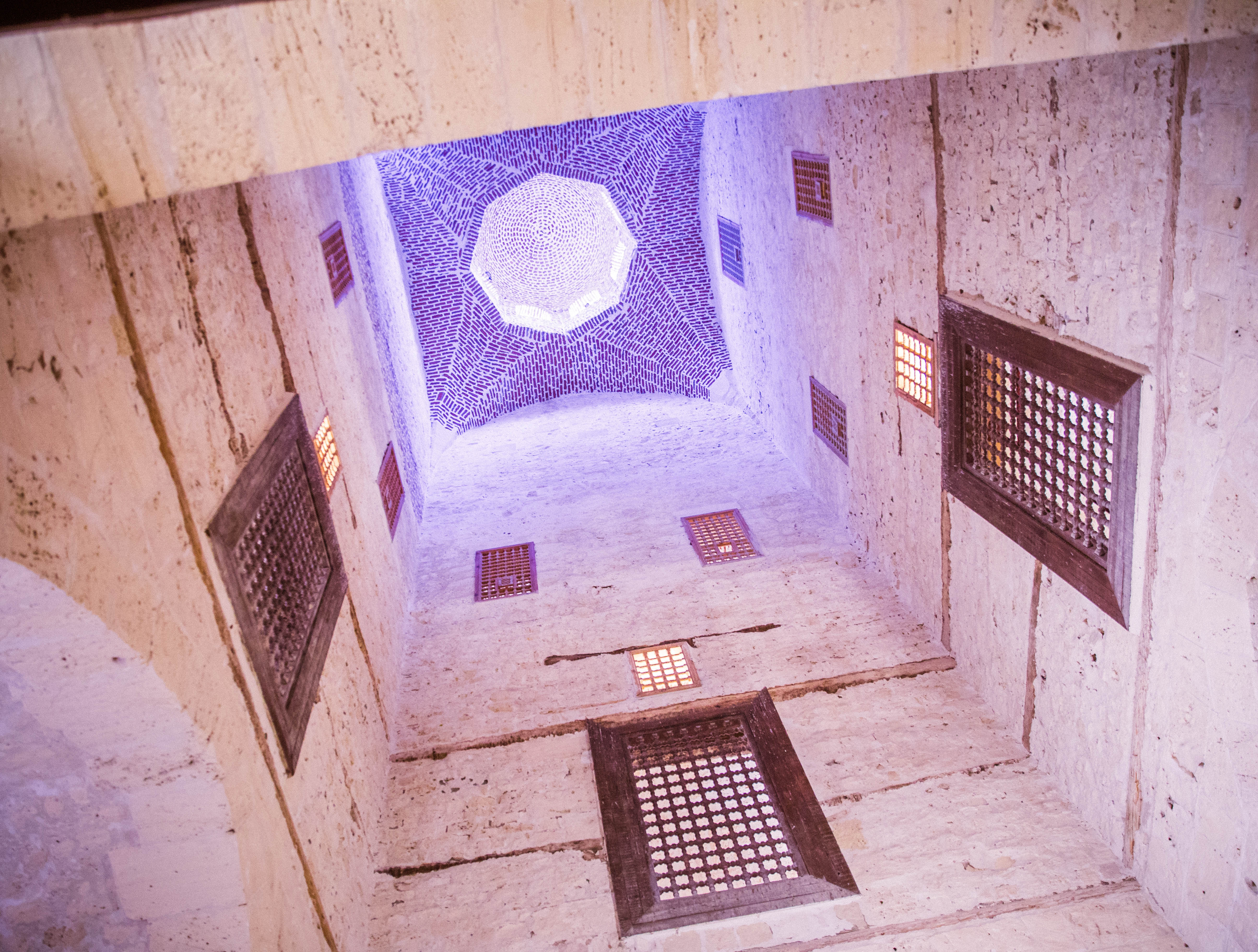
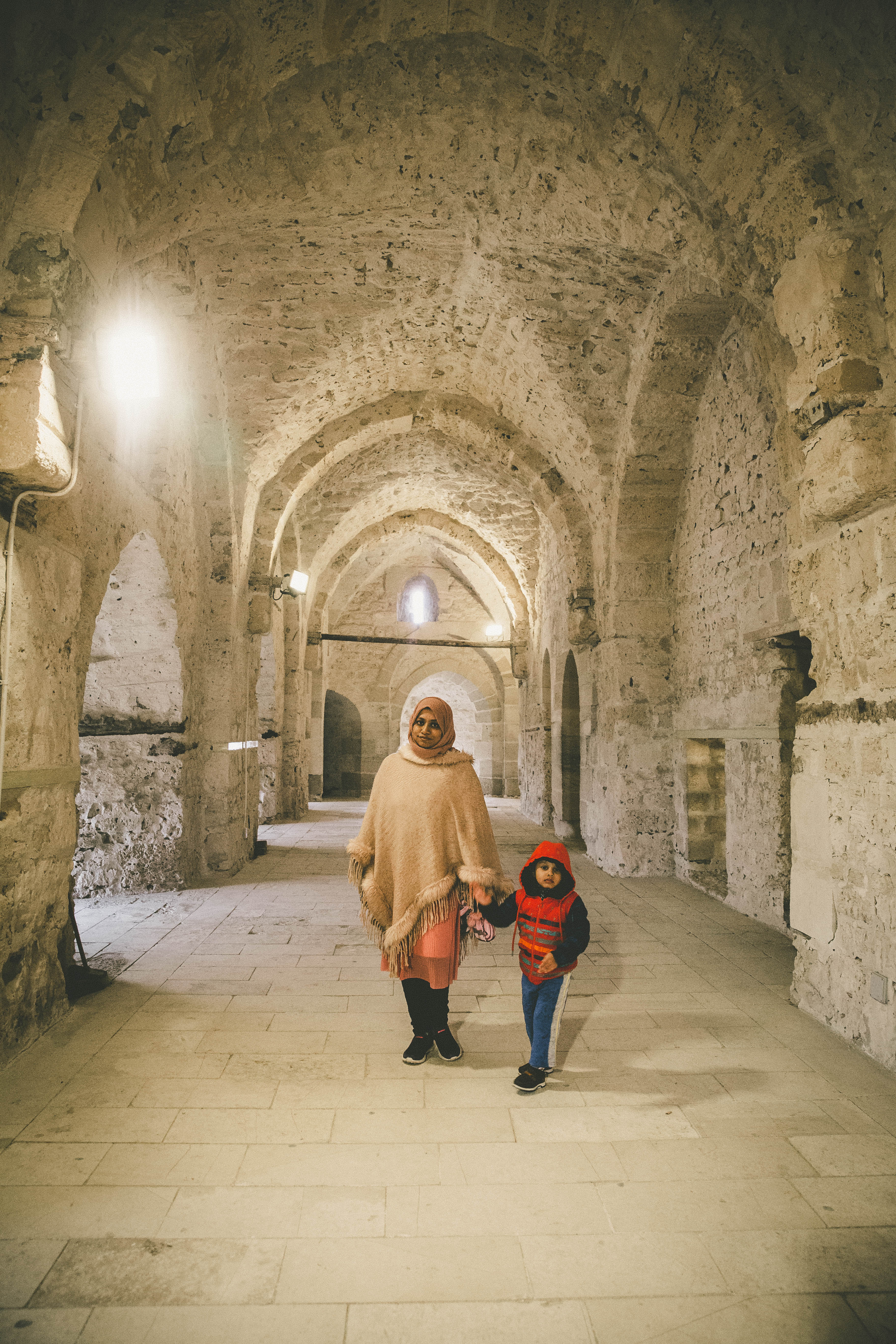
Hallway on the second floor.

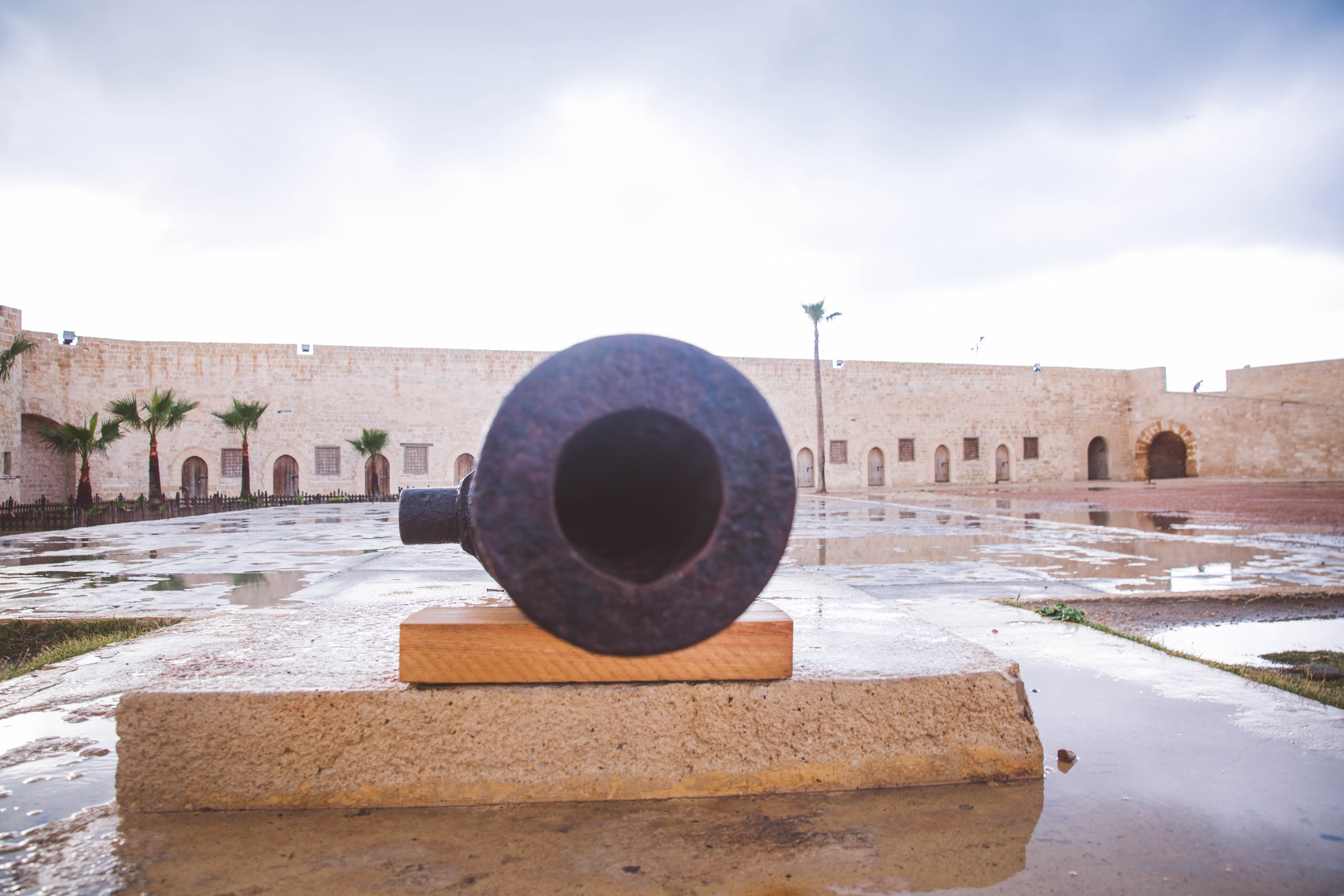
One of the cannons at display on the courtyard of the citadel.
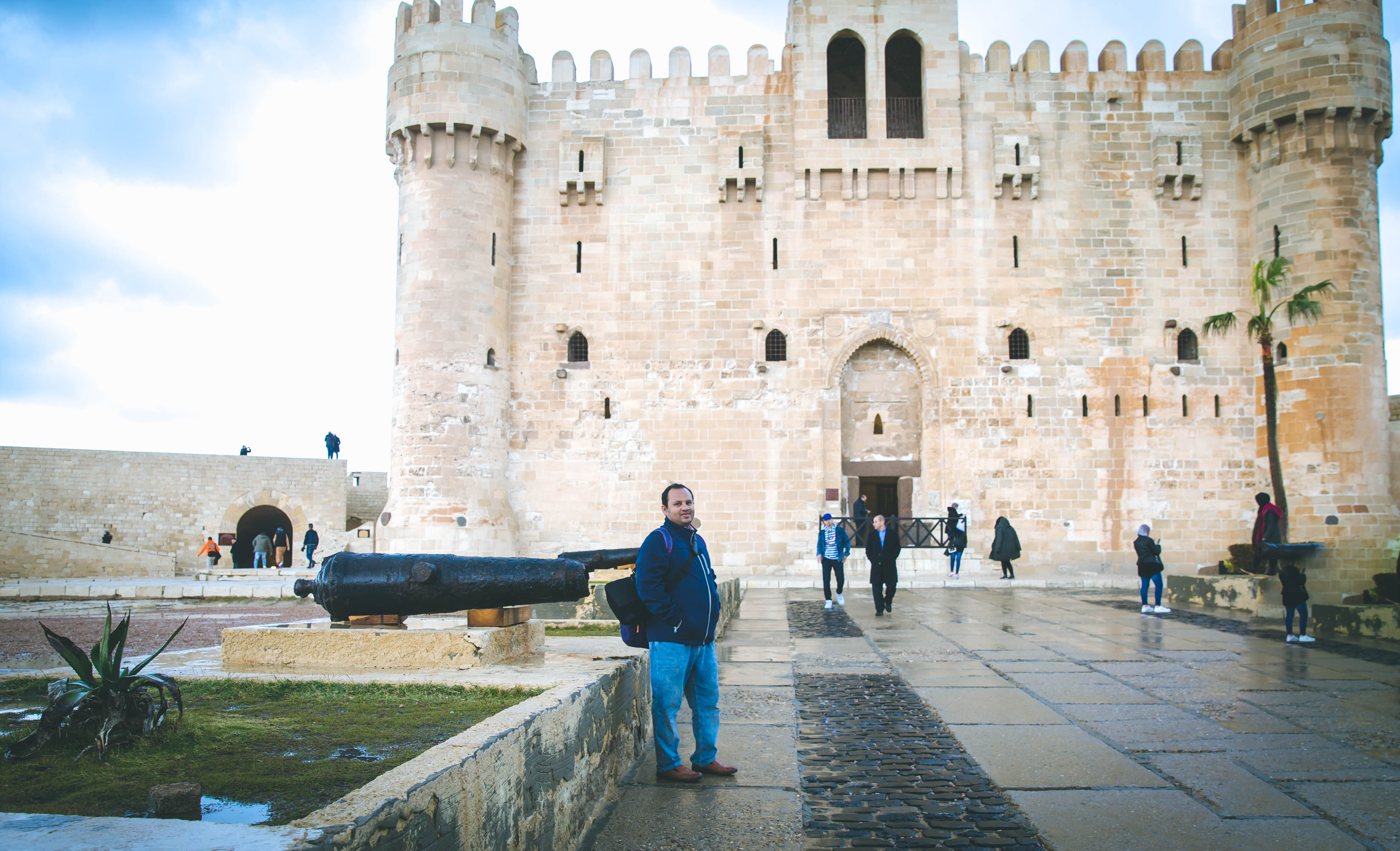
Today, the fort has become one of the symbols of the city, and the area is always full of locals fishing and walking along the promenade.
Bibliotheca Alexandrina/ Library of Alexandria
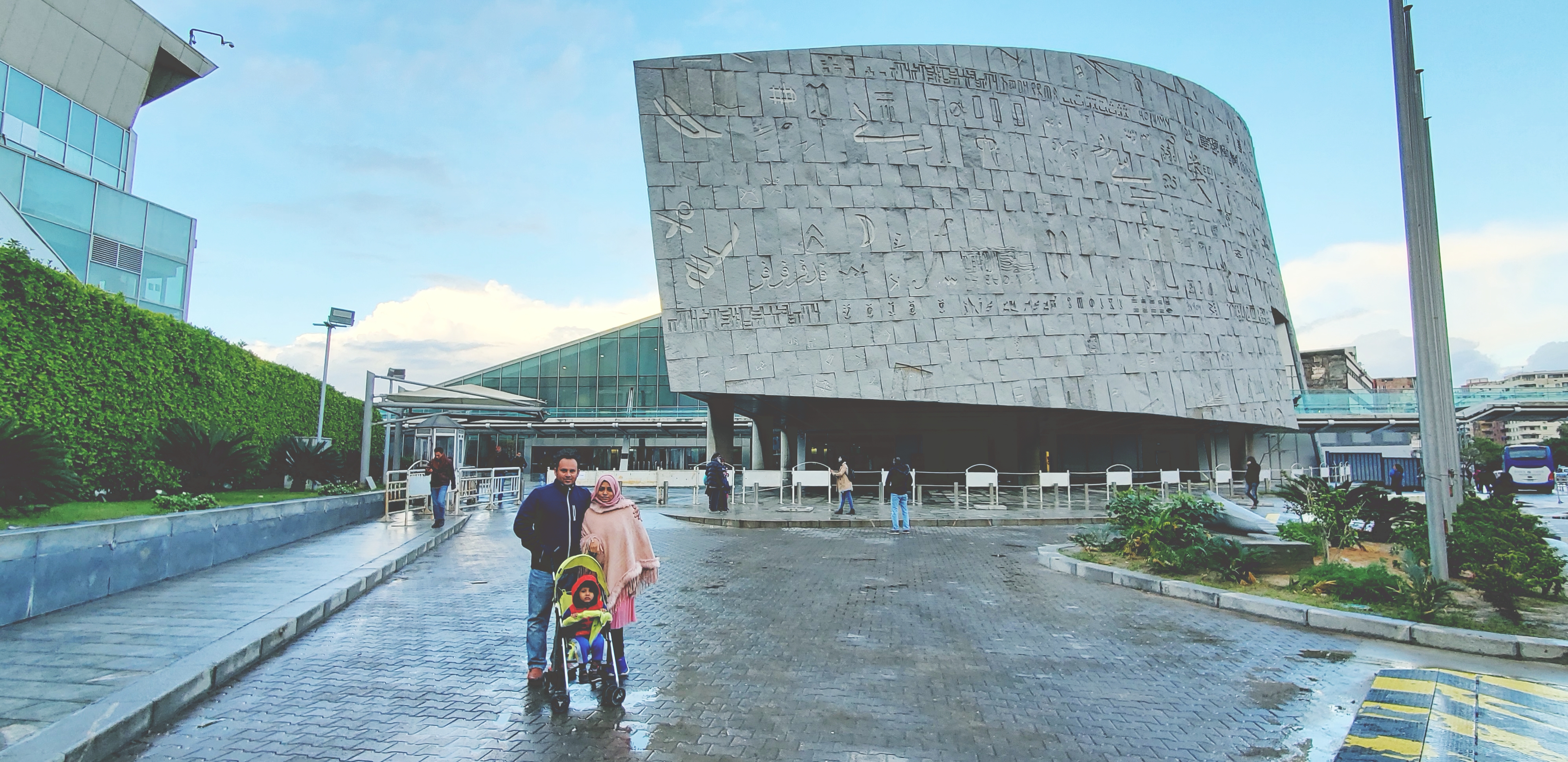
The ancient Great Library of Alexandria is believed to have been one of the largest and most significant libraries of the ancient world and an important place of scholarship. Founded by Macedonian general and pharaoh Ptolemy I Soter I, the Great Library is believed to have contained a giant collection of famous works (most written on Papyrus scrolls), and to have been a place where many of the world’s most famous ancient thinkers came to study.
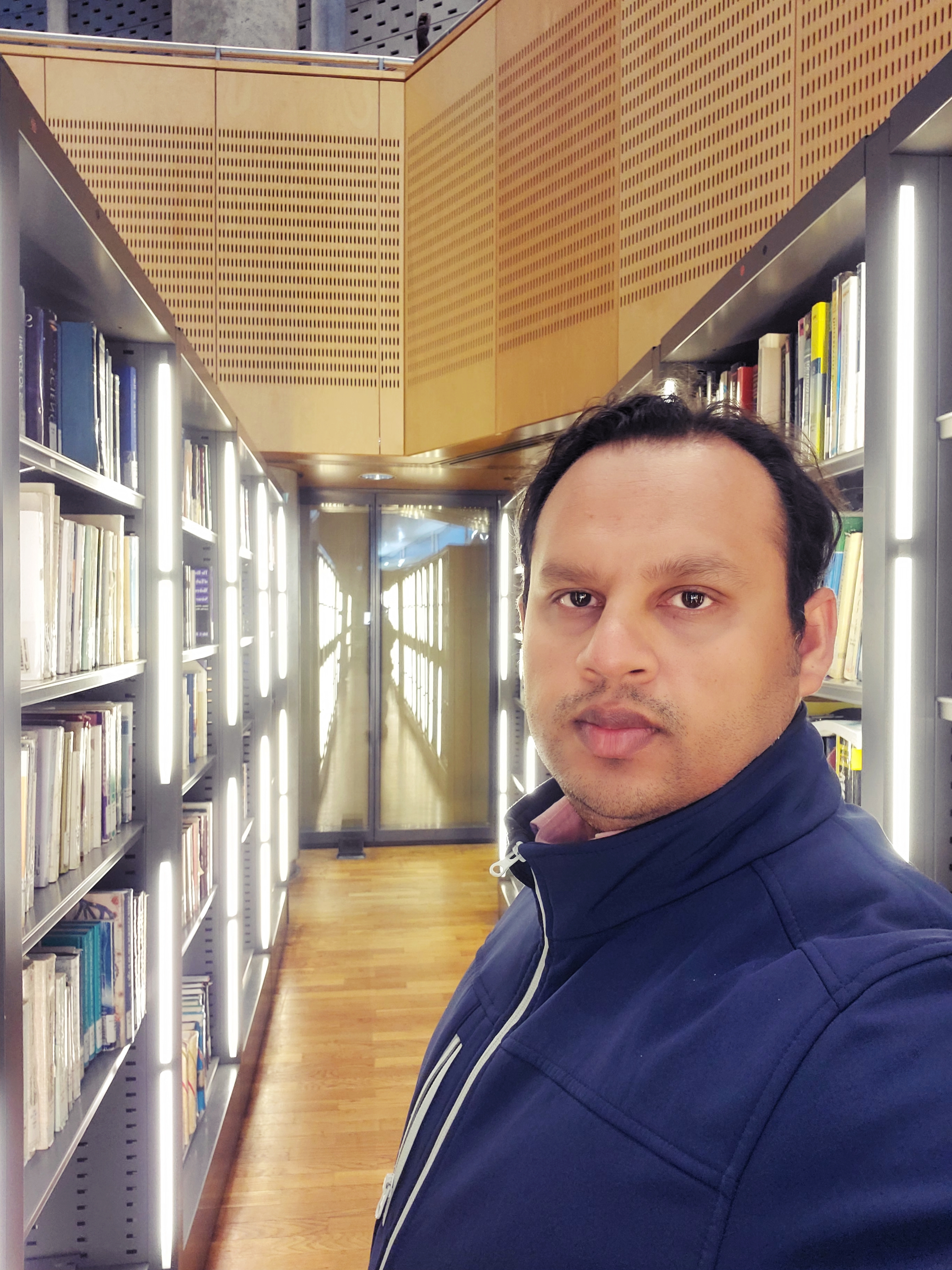
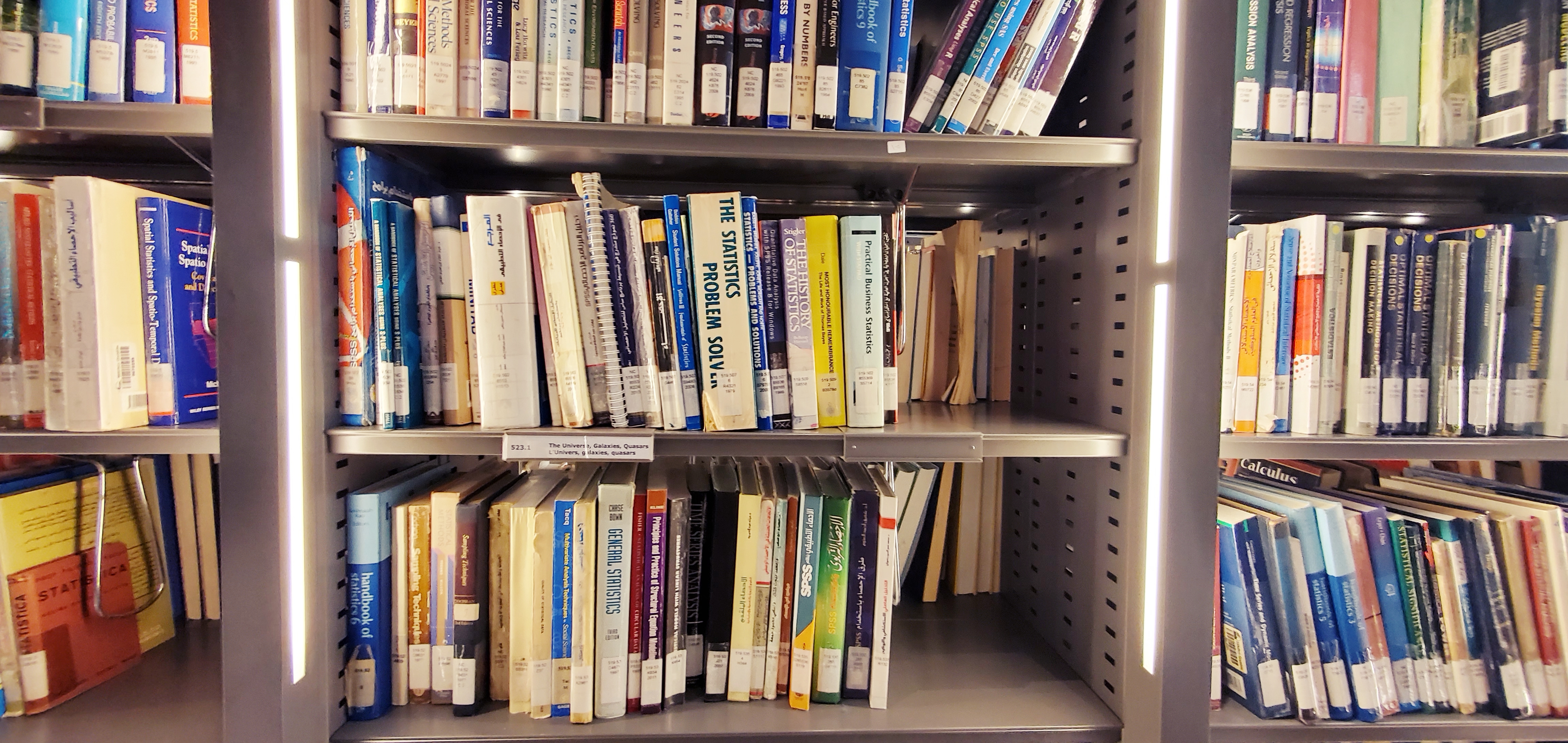
The library was famously burned during a siege when Julius Ceasar’s army set fire to the city in 48 B.C. and may or may not have been completed destroyed. There is some evidence it may have continued on and then been completely destroyed during an attack by Roman Emperor Aurelian in the 270s A.D.
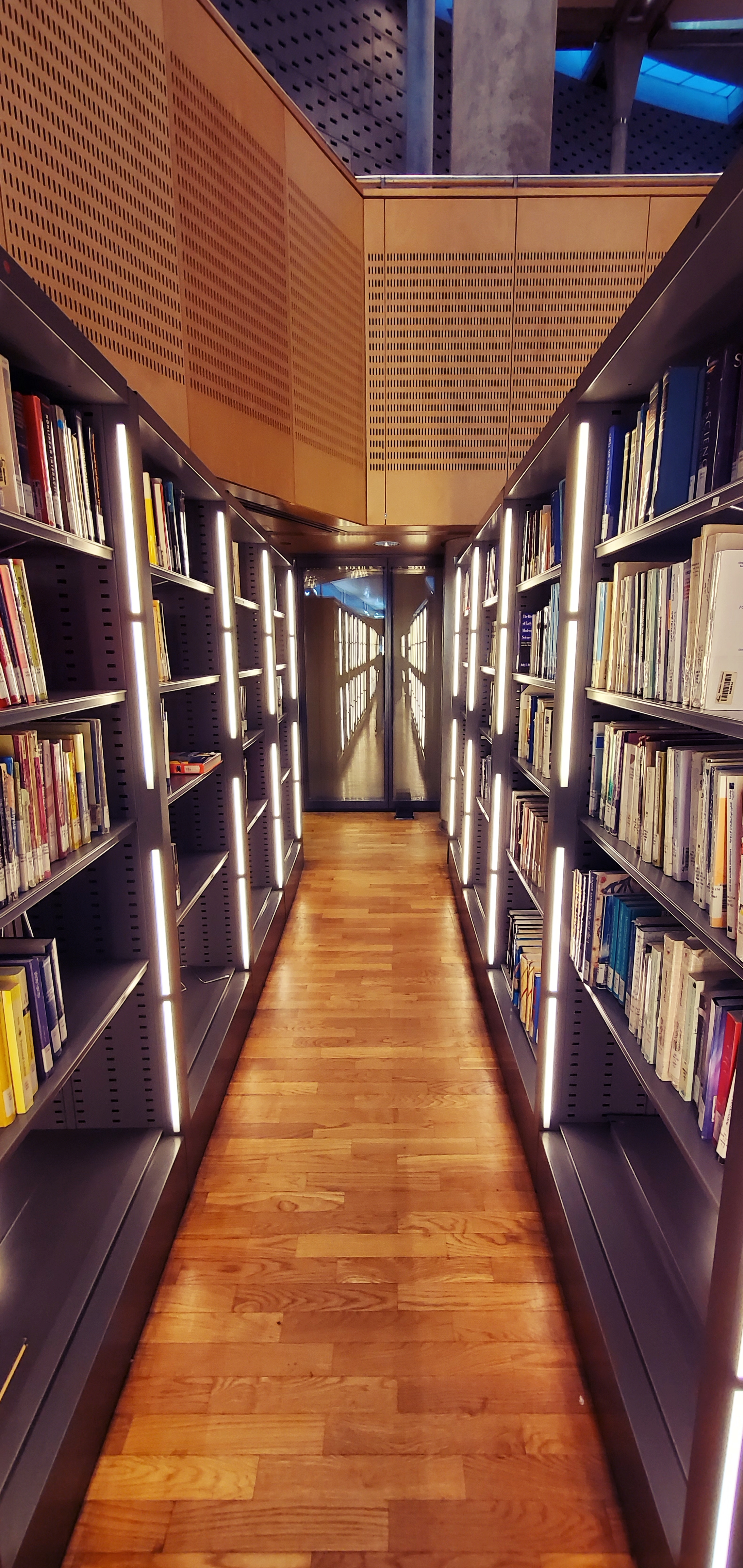
It houses books in three main languages: Arabic, French, and English and contains a number of museums, galleries, and temporary exhibits. It is one of the most modern public buildings in Egypt and one of the most costly (many Egyptians believe too much money was spent on building the library), with an interesting exterior made of Aswan granite, carved with characters from 120 different human scripts.


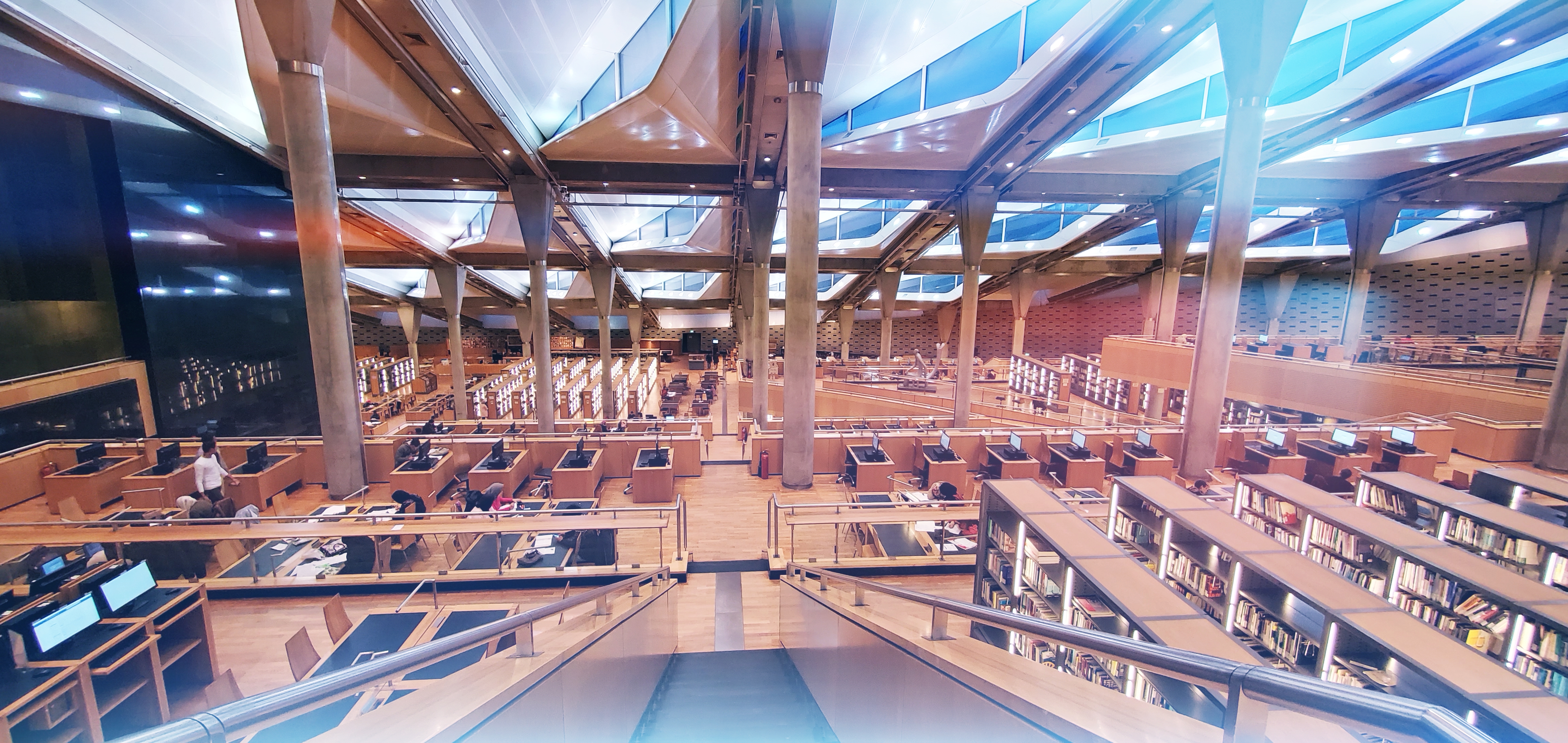
In 2002, a new library, the Bibliotheca Alexandrina was officially opened as a library and cultural center and a commemoration of the original Library of Alexandria, being built at a location near where the original is believed to have stood. The modern disc-shaped library has a large and impressive reading room.

The library is air-conditioned so a perfect place to escape on a sweltering summer afternoon. There is an entrance fee to the library (currently EGP 70 for non-Egyptians) which includes a 30-minute guided tour (available in 4 languages) from a library staff member.
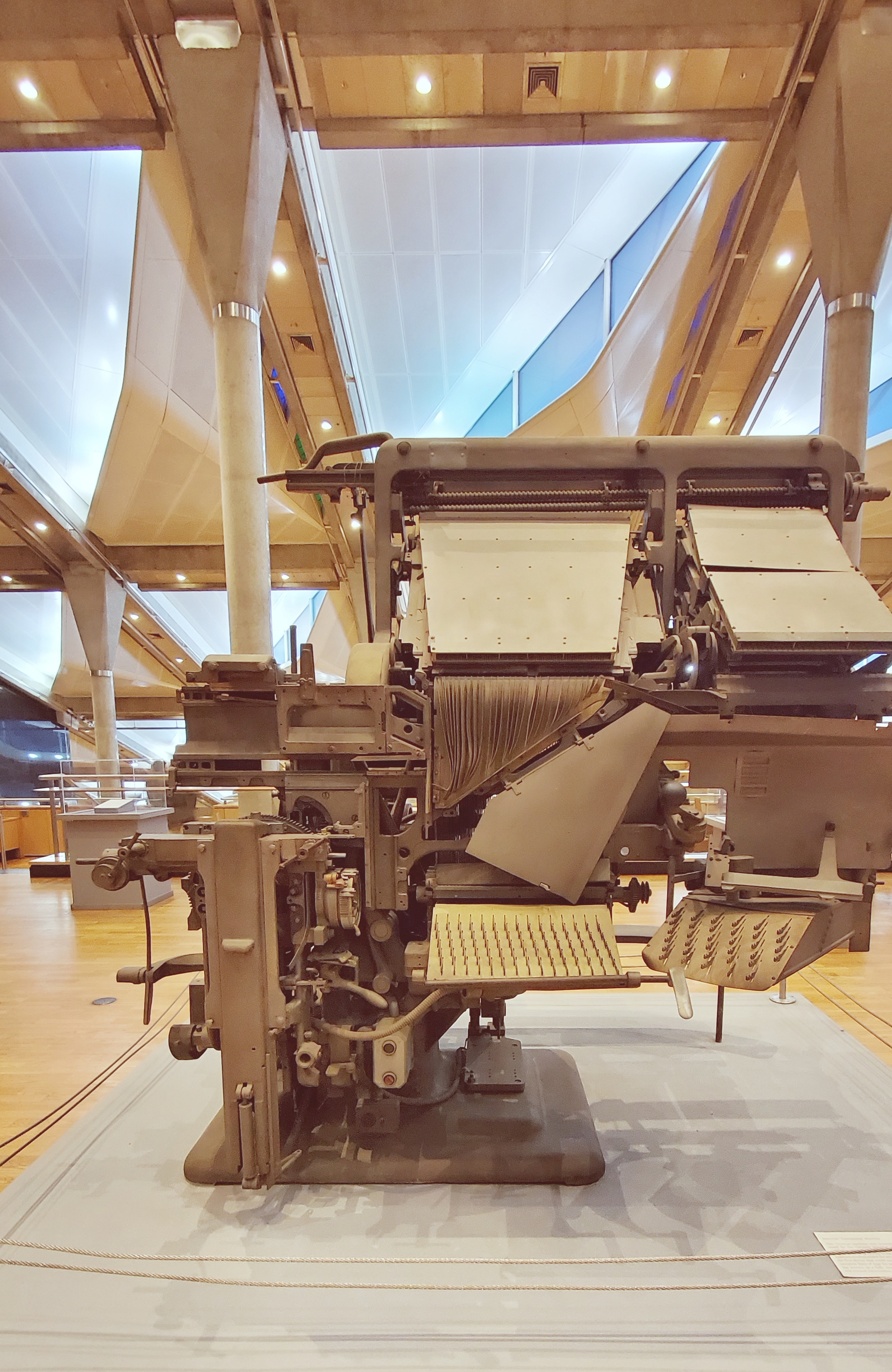
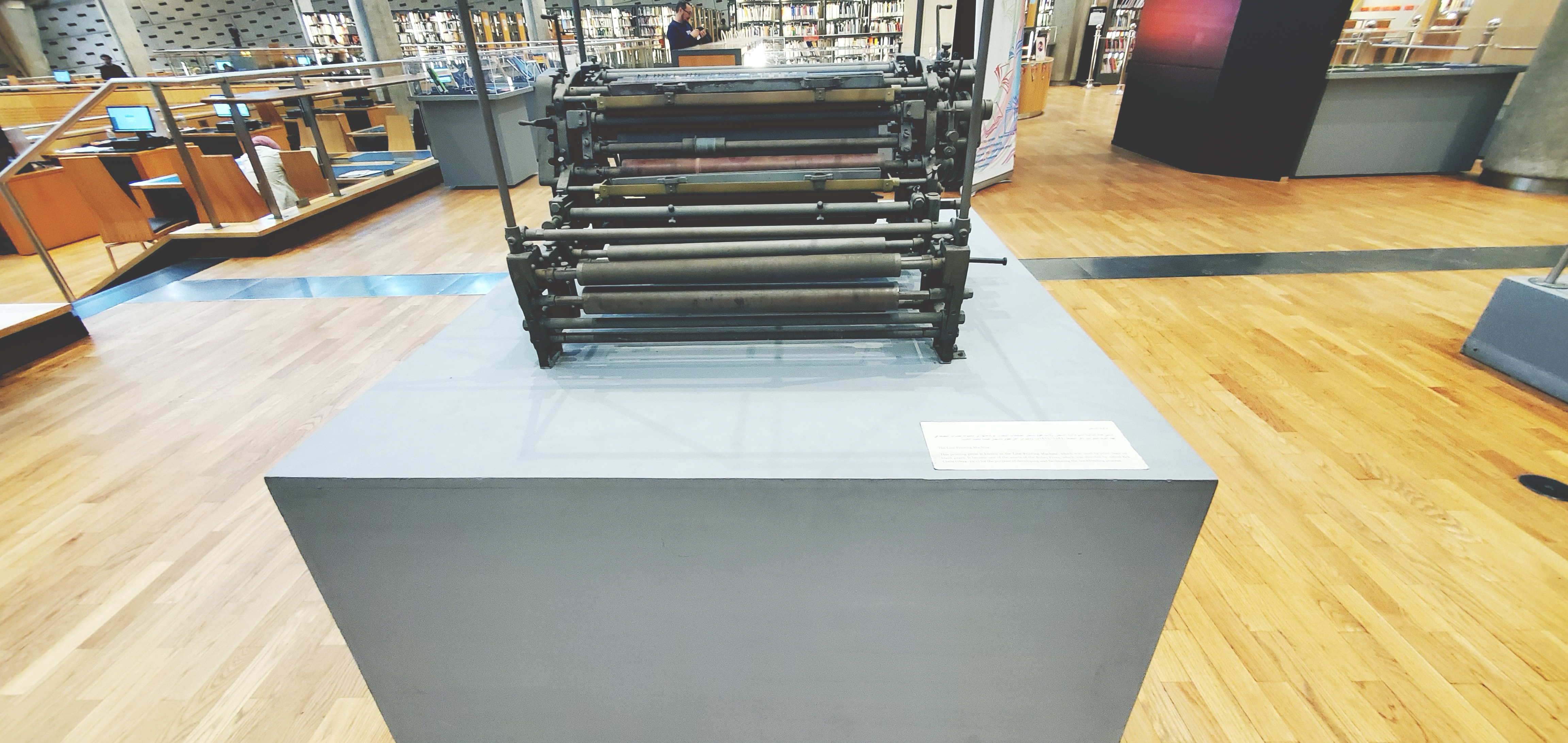
Very old printing press machines on display at the library.
We ended our tour of Alexandria by arriving late in Cairo around 11 in the evening. We had our flight back home in the evening of the following day.
Stay tuned for the Cairo part of your Egypt tour. Thank you.


 Tulan Hayat
Leave a reply to tulanhayat Cancel reply