Luxor, once the capital jewel of Ancient Egypt was our day trip from the city of Hurghada. This place is dubbed the land of palaces because there are several ruins and temples discovered in the area. I am surprised majority of travellers from Bangladesh visit only Cairo and Alexandria and completely miss out the capital city of the Upper Egyptian Ancient Kingdom. The temples were spectacular as evident from the photos. It just makes one wonder, how did the ancient Egyptians build such colossal structures 3000-4000 years ago. The temples had exquisite hieroglyphic works depicting the day to day life of ordinary people as well as the many Kings and Rulers including the only female Queen to have ruled ancient Egypt, Queen Hatshepsut.
Getting To Luxor And Exploring The City
Luxor is almost 660 kms from the capital city Cairo. Getting to Luxor is expensive by plane as there are only two local airlines that operates, Egyptair and Nileair. Also it could have been expensive as it was holiday season and also the new year. Since we stayed at a resort in Hurghada which is a tolerable 310 km away takes about 3 hours by car. We hired a local tour agency, Jacada tours and the driver was present at 6 am to take us to Luxor from our hotel in Hurghada.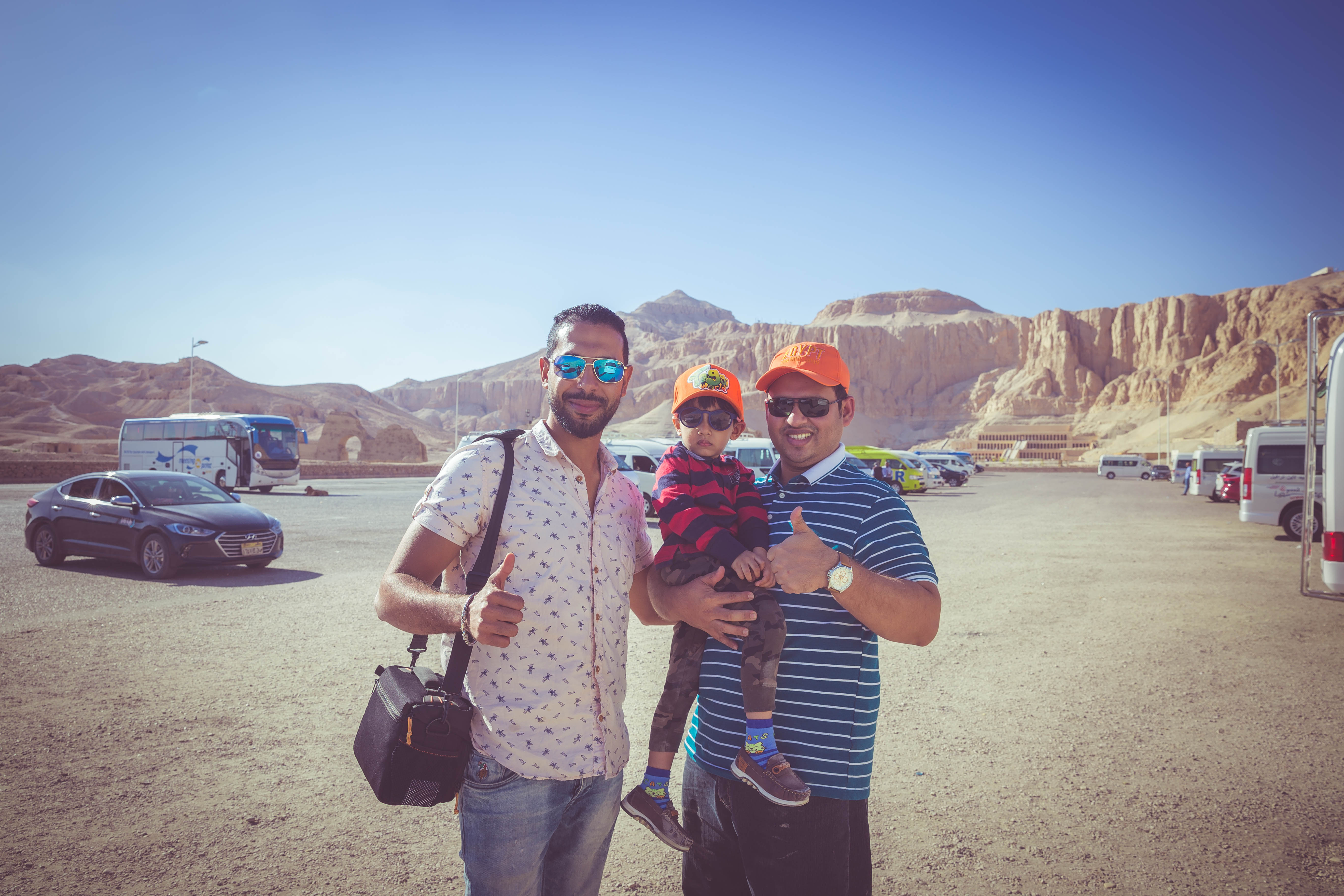 Visit All The Ruins Around Luxor With A Tour Guide
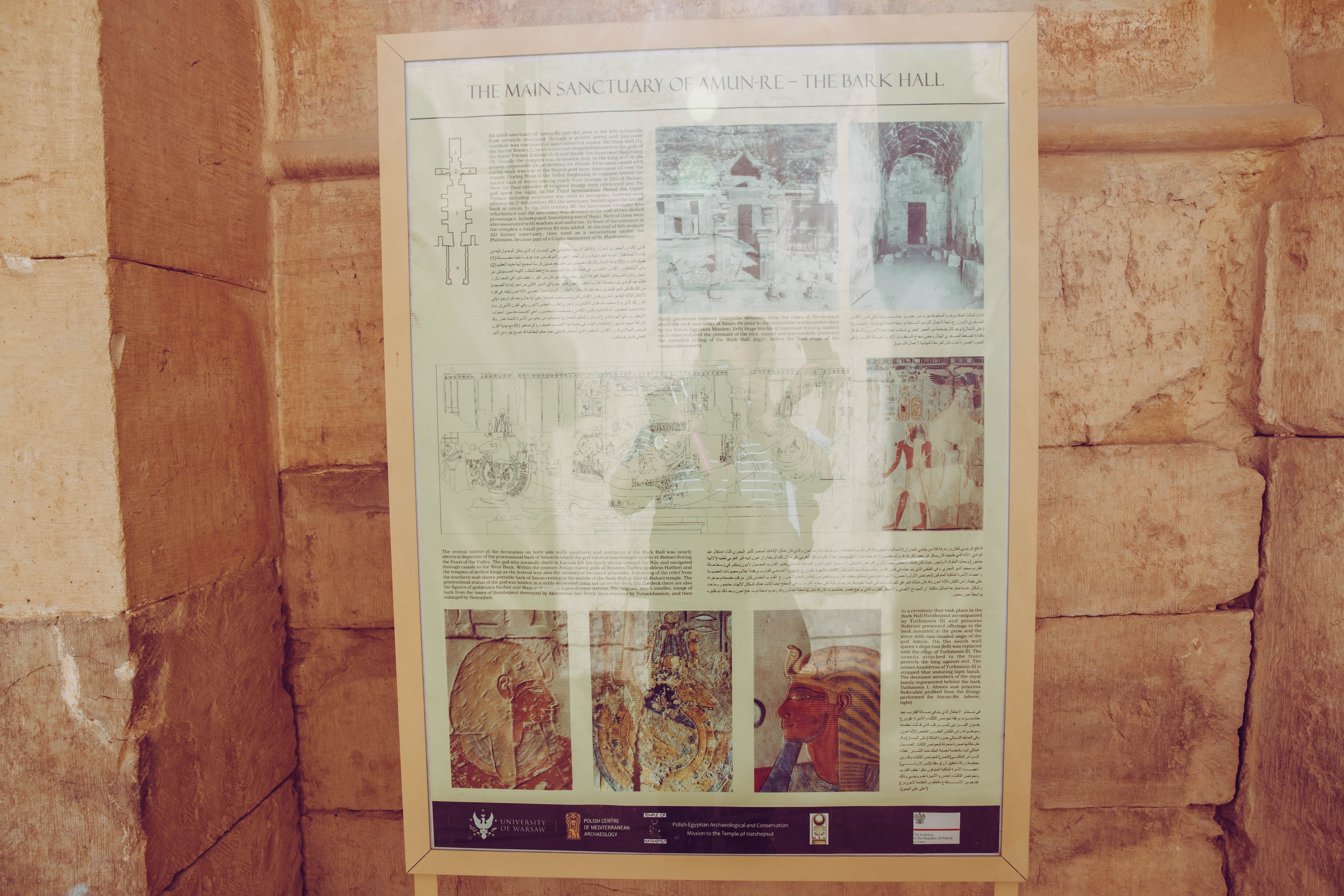
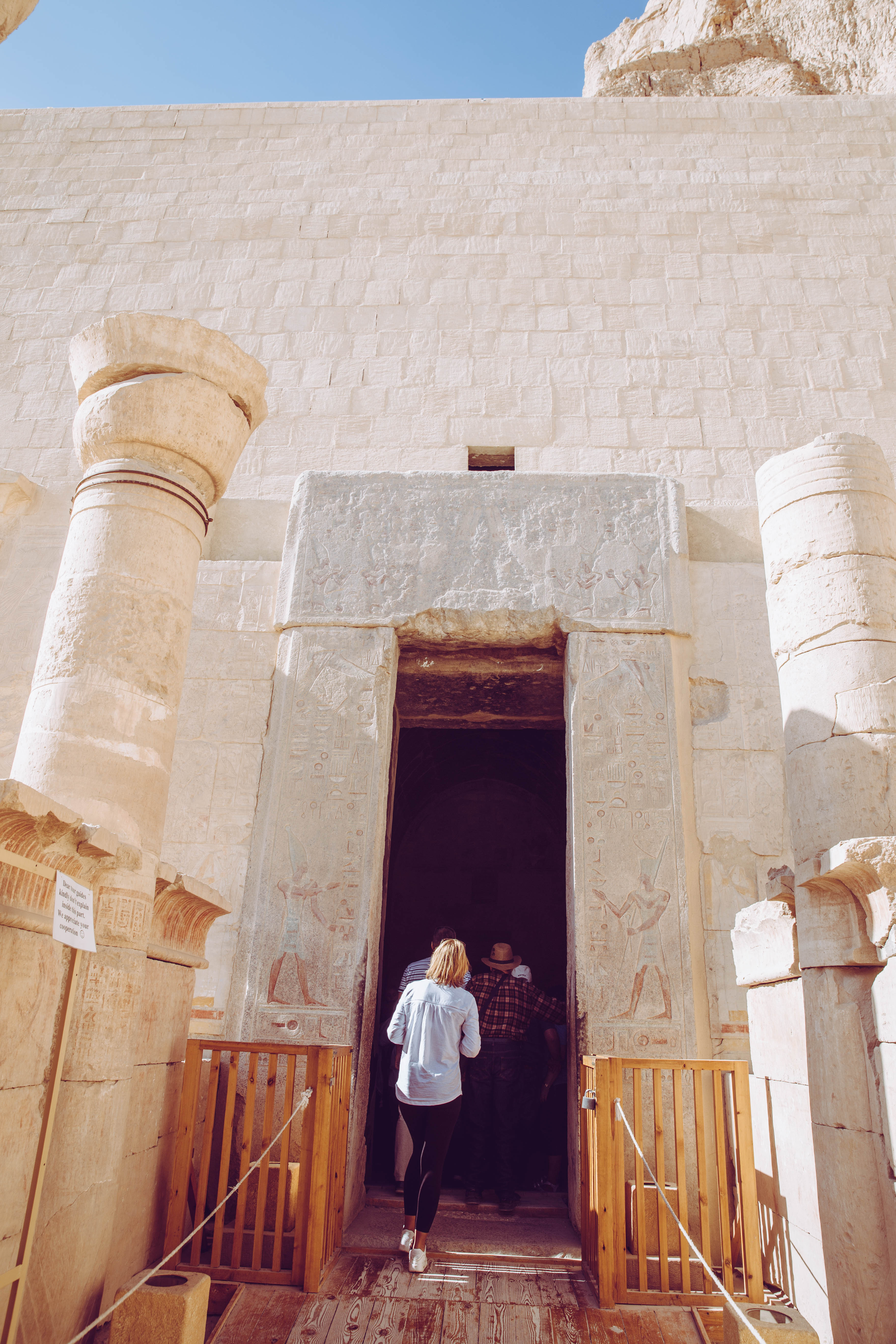
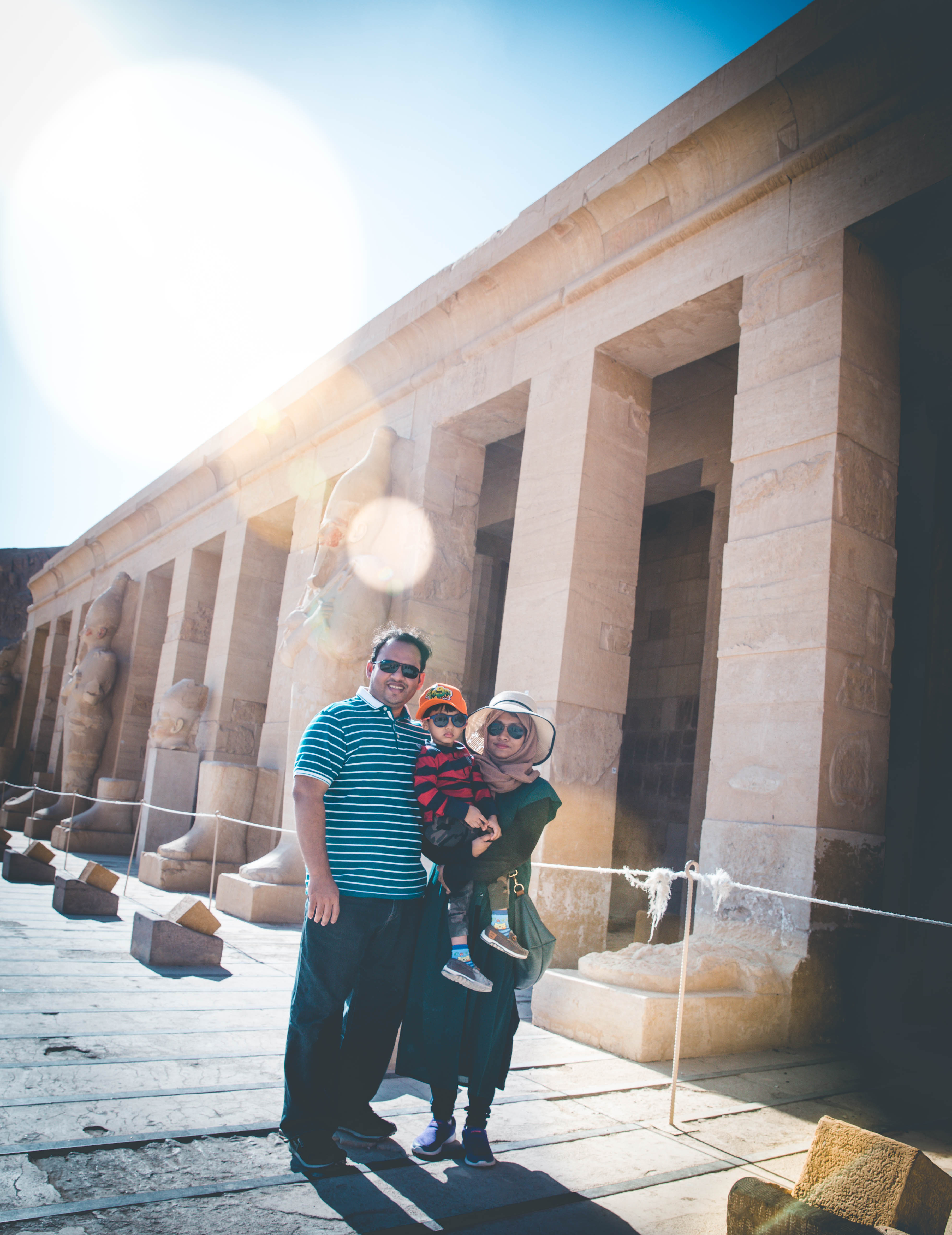
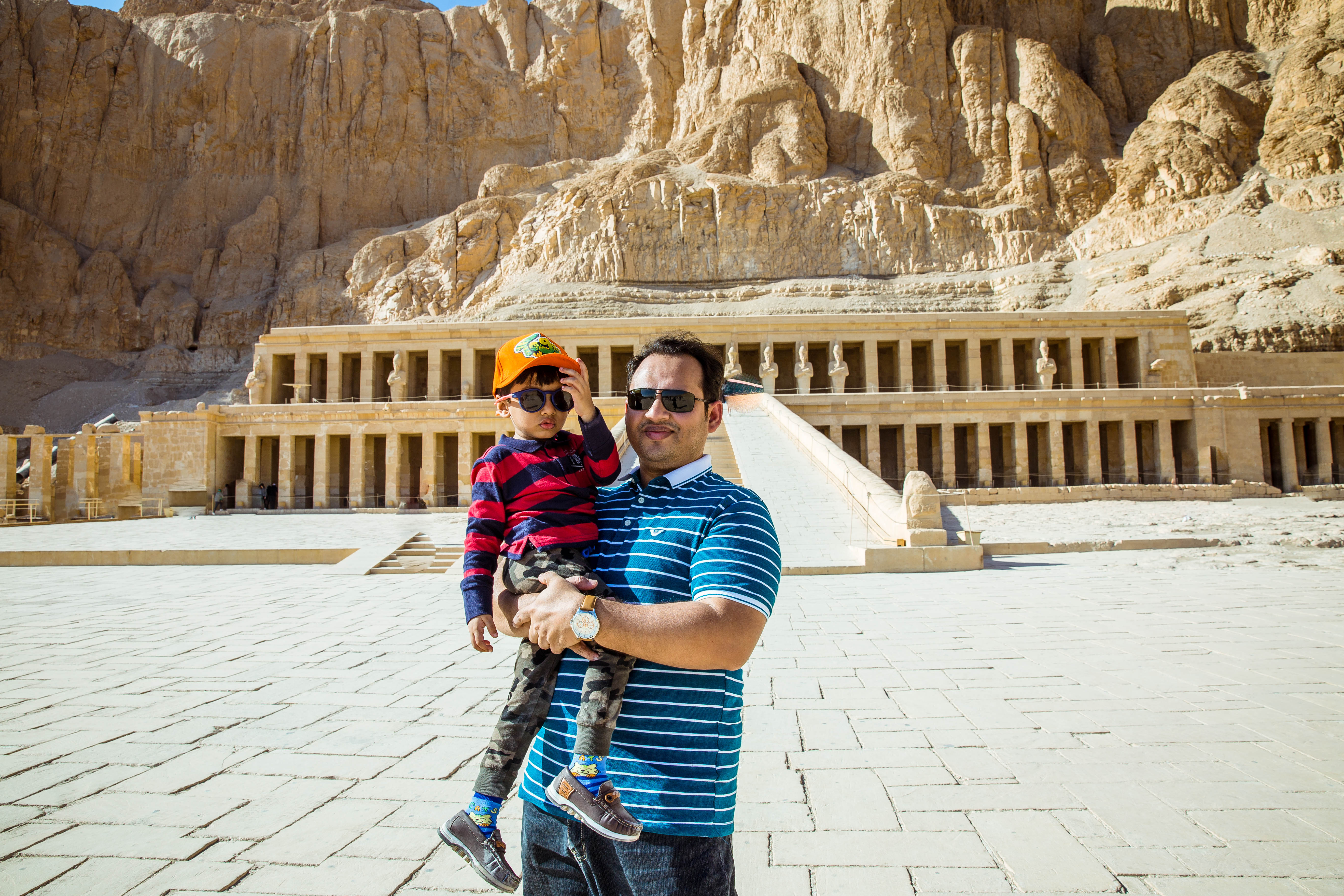
We recommend a tour guide so that you know your way through the places and you are free from any hassle from the locals. We reached Luxor at 11:30 am and was met by our guide Mr. Amr. He immediately started informing us about the days itinerary starting with the temple of Hapshetsut.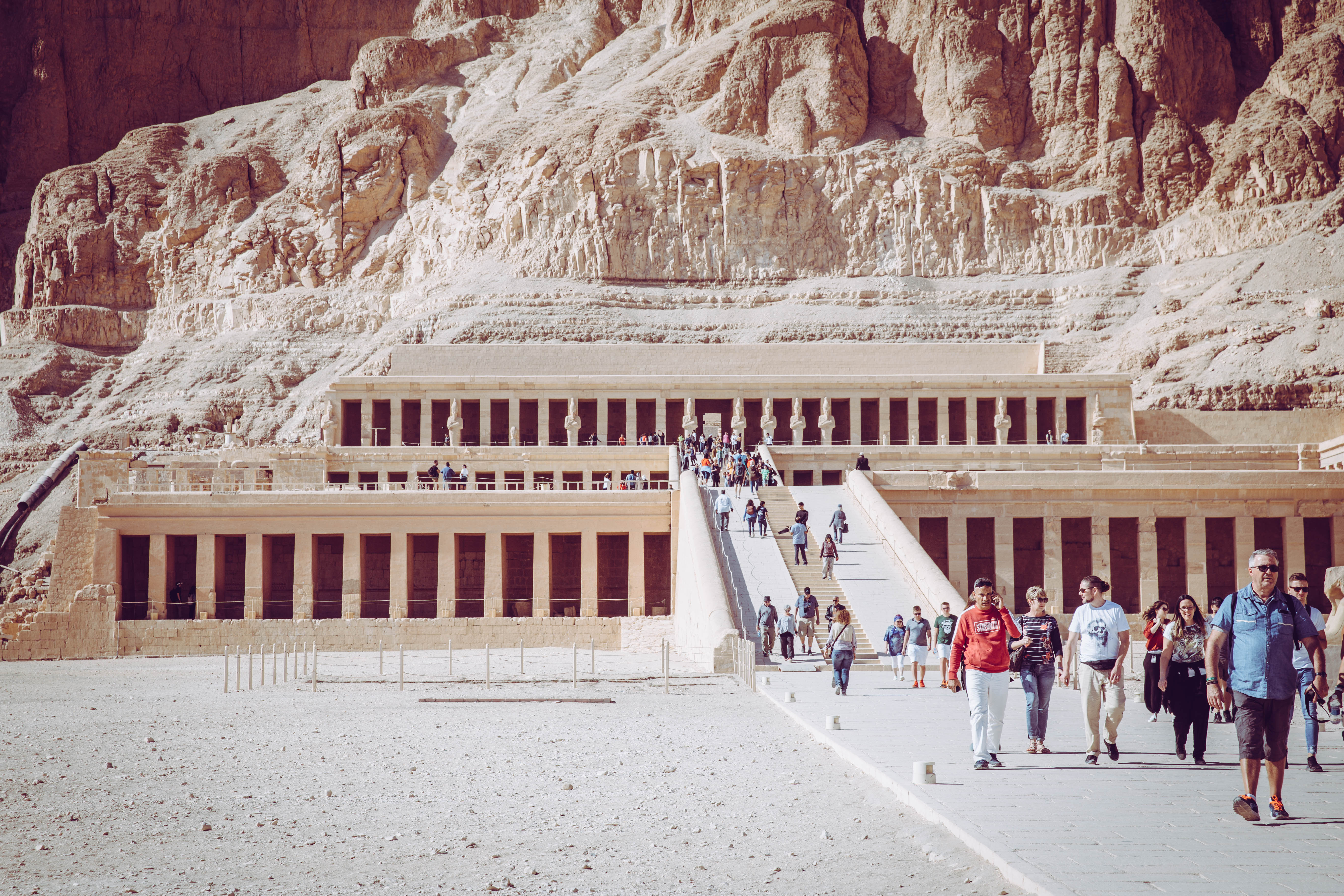 The Mortuary Temple of Hatshepsut, also known as the Djeser-Djeseru is located in Upper Egypt. Built for the Eighteenth Dynasty pharaoh Hatshepsut, it is located beneath the cliffs at Deir el-Bahari on the west bank of the Nile near the Valley of the Kings. This mortuary temple is dedicated to Amun and Hatshepsut and is situated next to the mortuary temple of Mentuhotep II, which served both as an inspiration and later, a quarry. It is considered one of the “incomparable monuments of ancient Egypt.”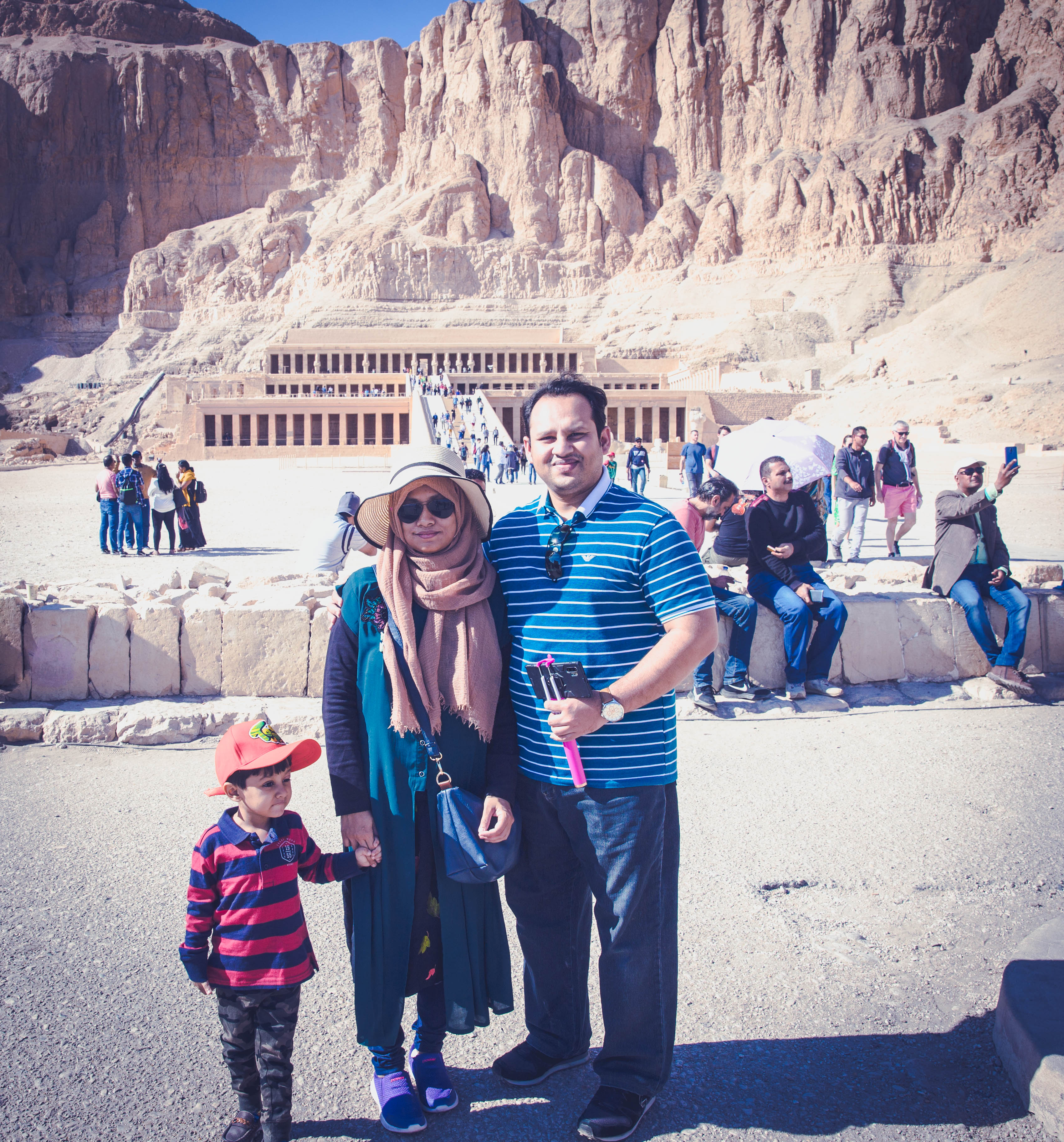
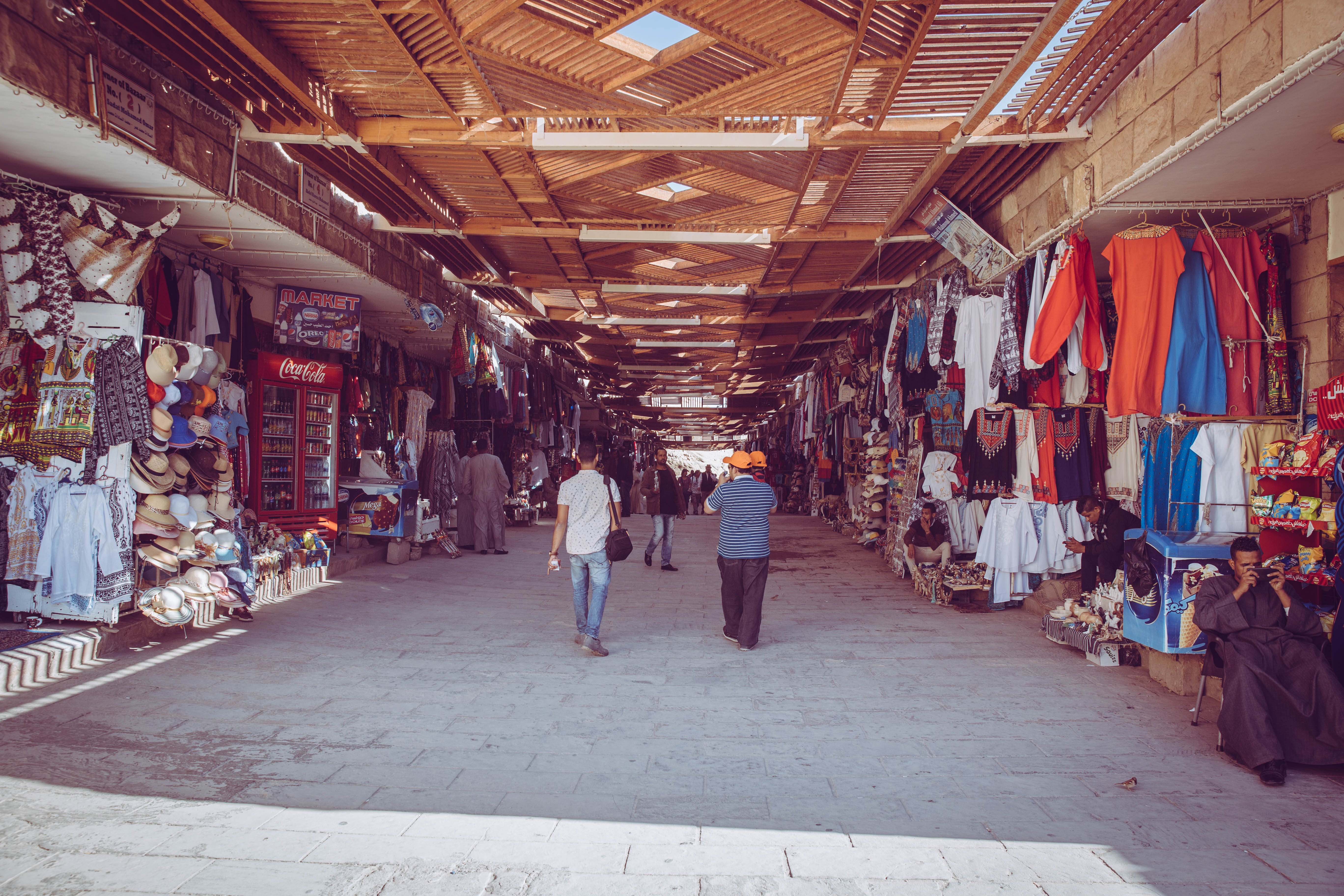 As it was Friday, I said my Jumaah prayers and then our next stop was at the Valley of the Kings. Unfortunately, it is forbidden to take photos of the valley. In my opinion, the location was not very photogenic anyway. All the pharaohs are buried in a complex network of tombs scattered throughout the valley. All in all, there are 62 tombs hidden deep inside cave ways in the mountains. The Kings from the 6th Dynasty onwards did not build pyramids as it used to put strain on the entire economy hence they instead built this large cemetery complex inside the mountain.
With the entrance ticket, you can go inside 3 of the tombs for free. Due to renovation works, the authorities, at any given time, keep only 10 of the tombs open to the public. For visiting the tomb of Tutankhamun, extra fee needs to be paid as his mummy is inside.
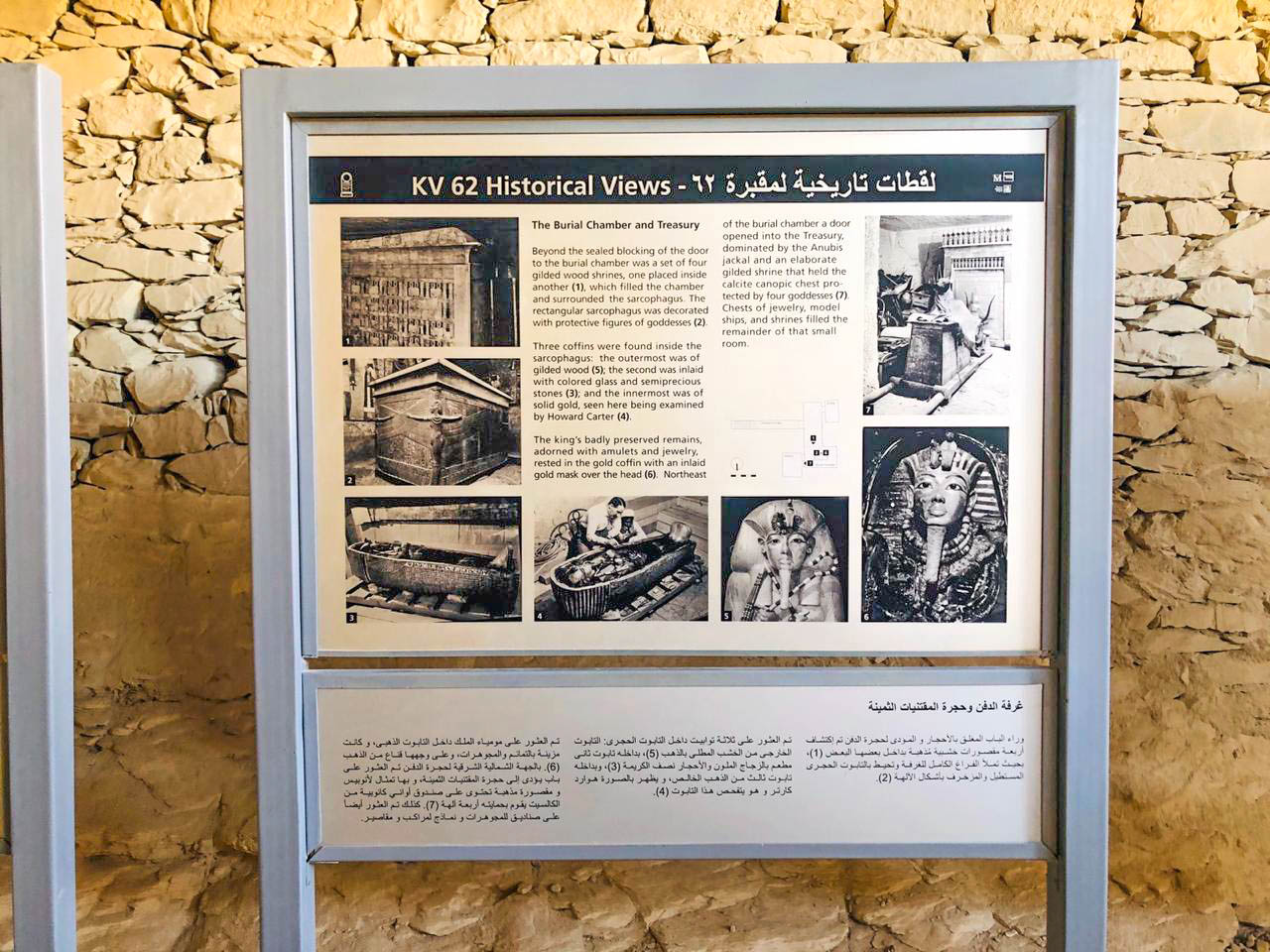

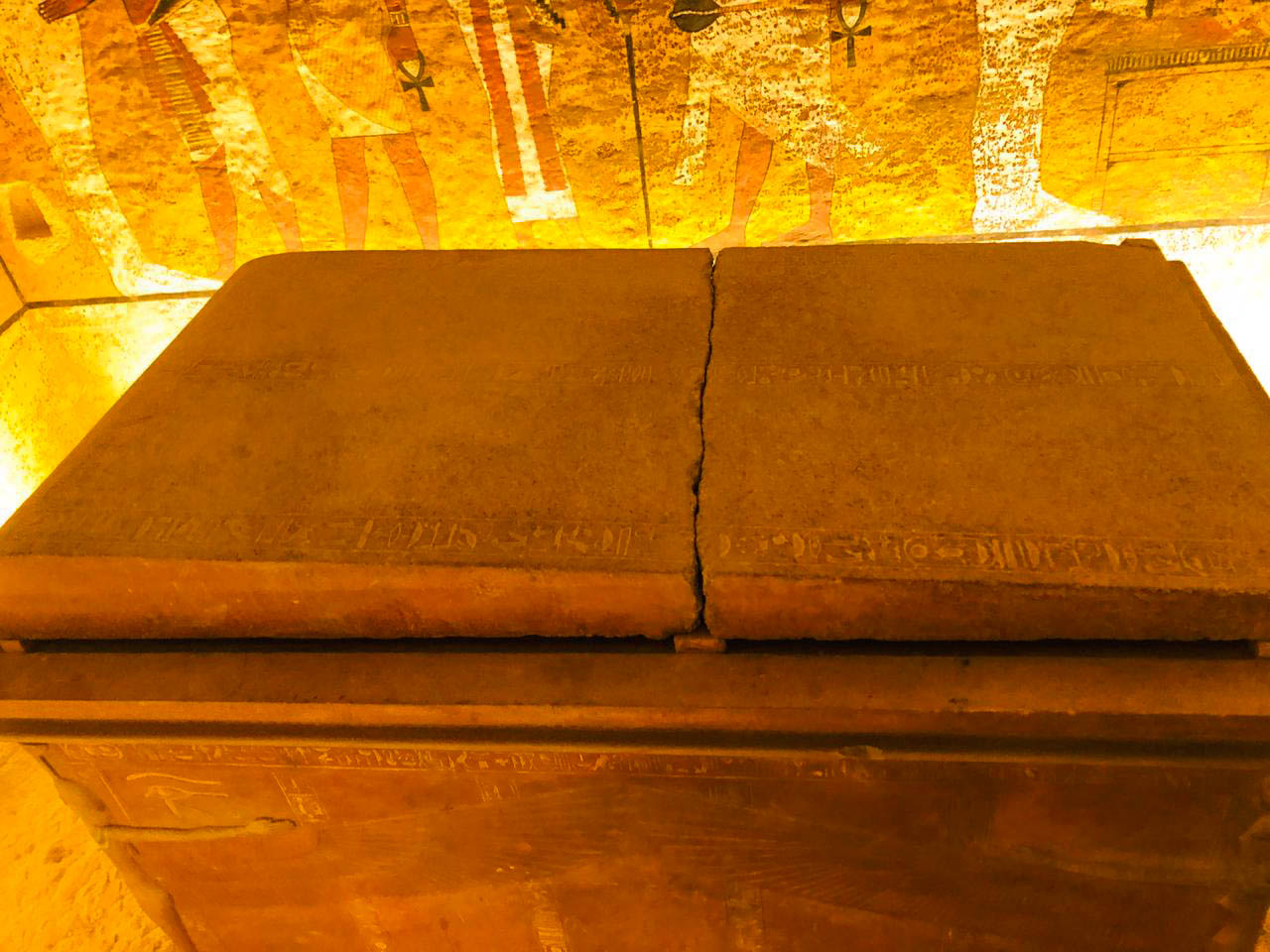
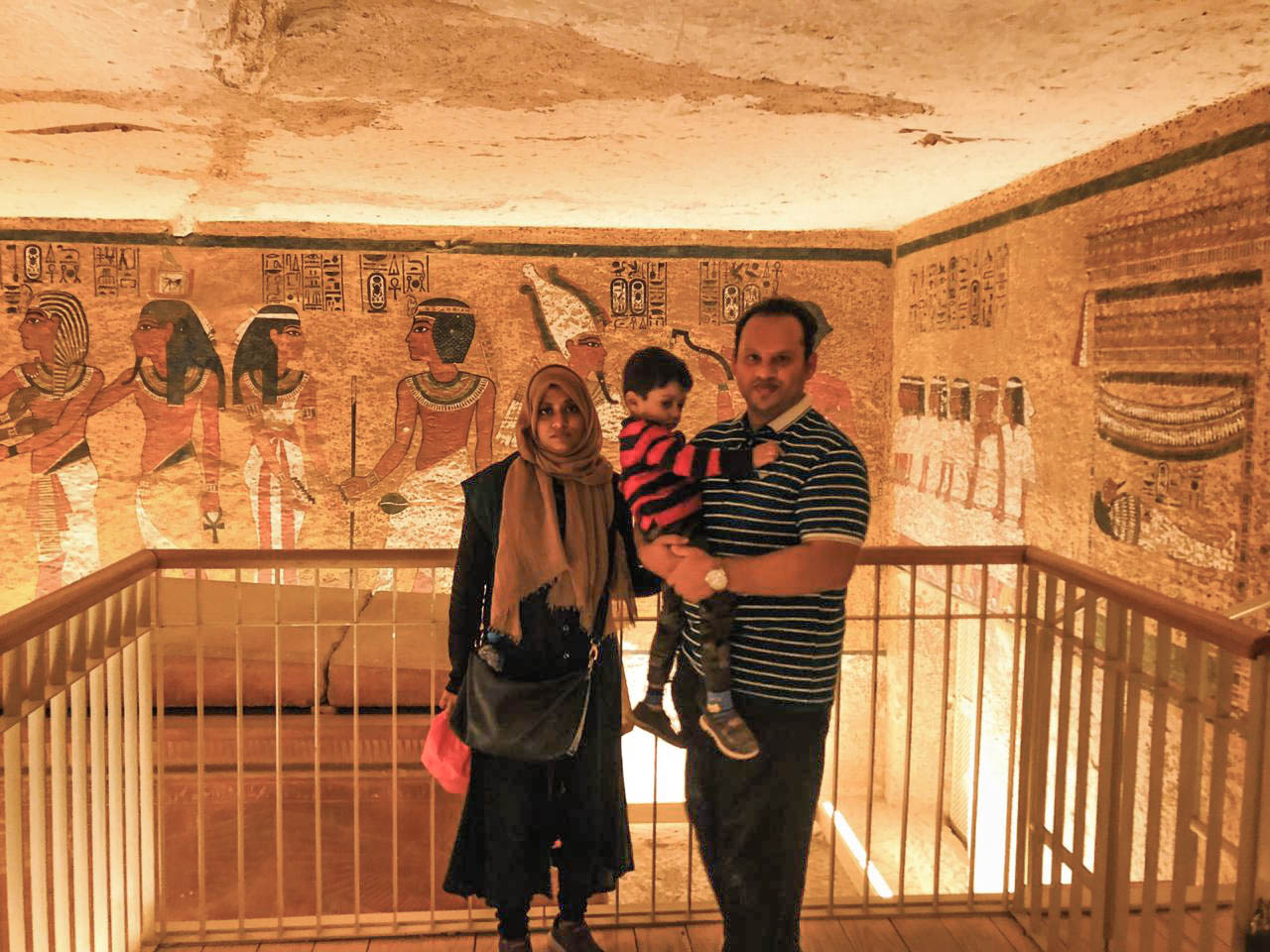

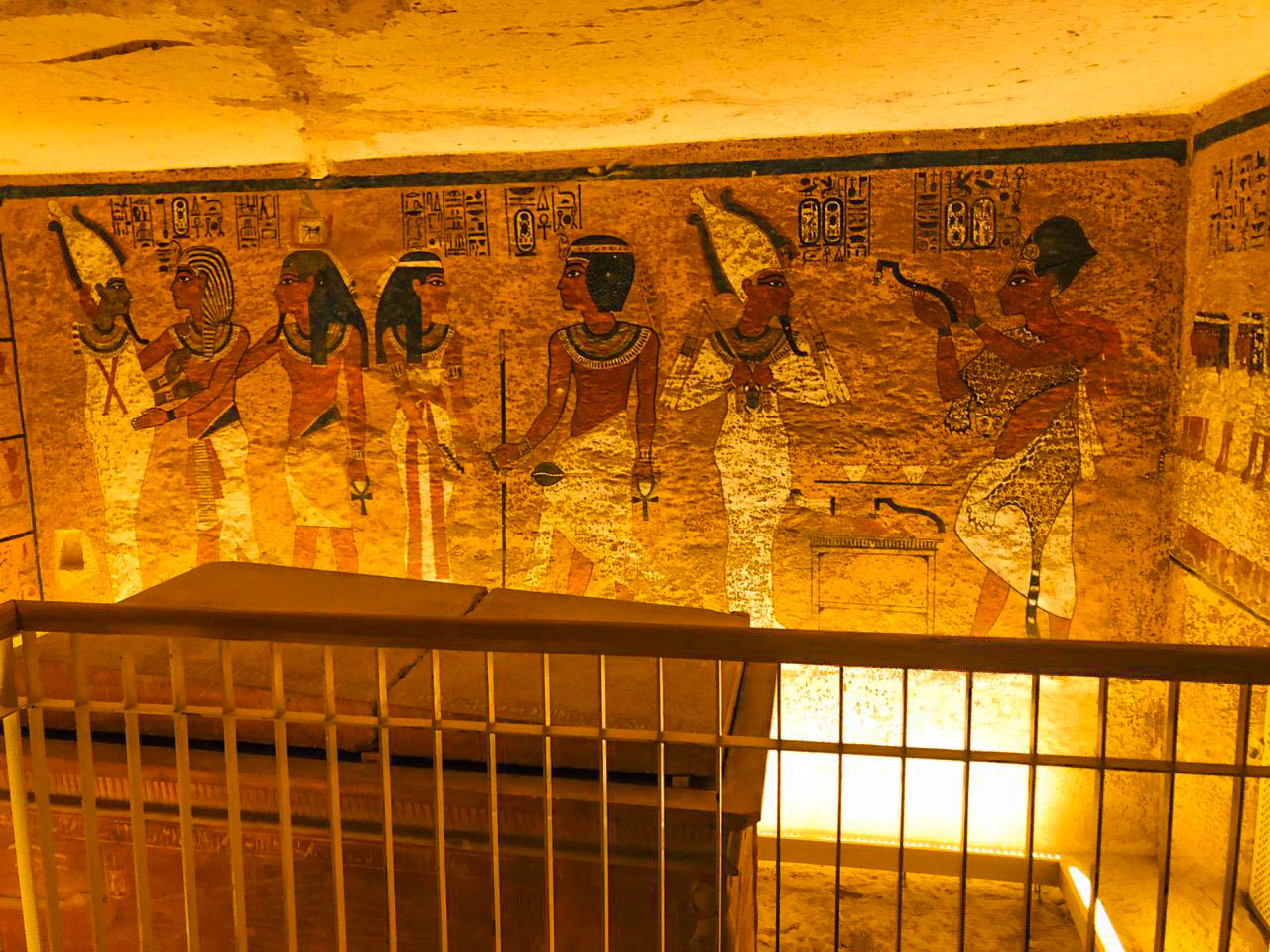
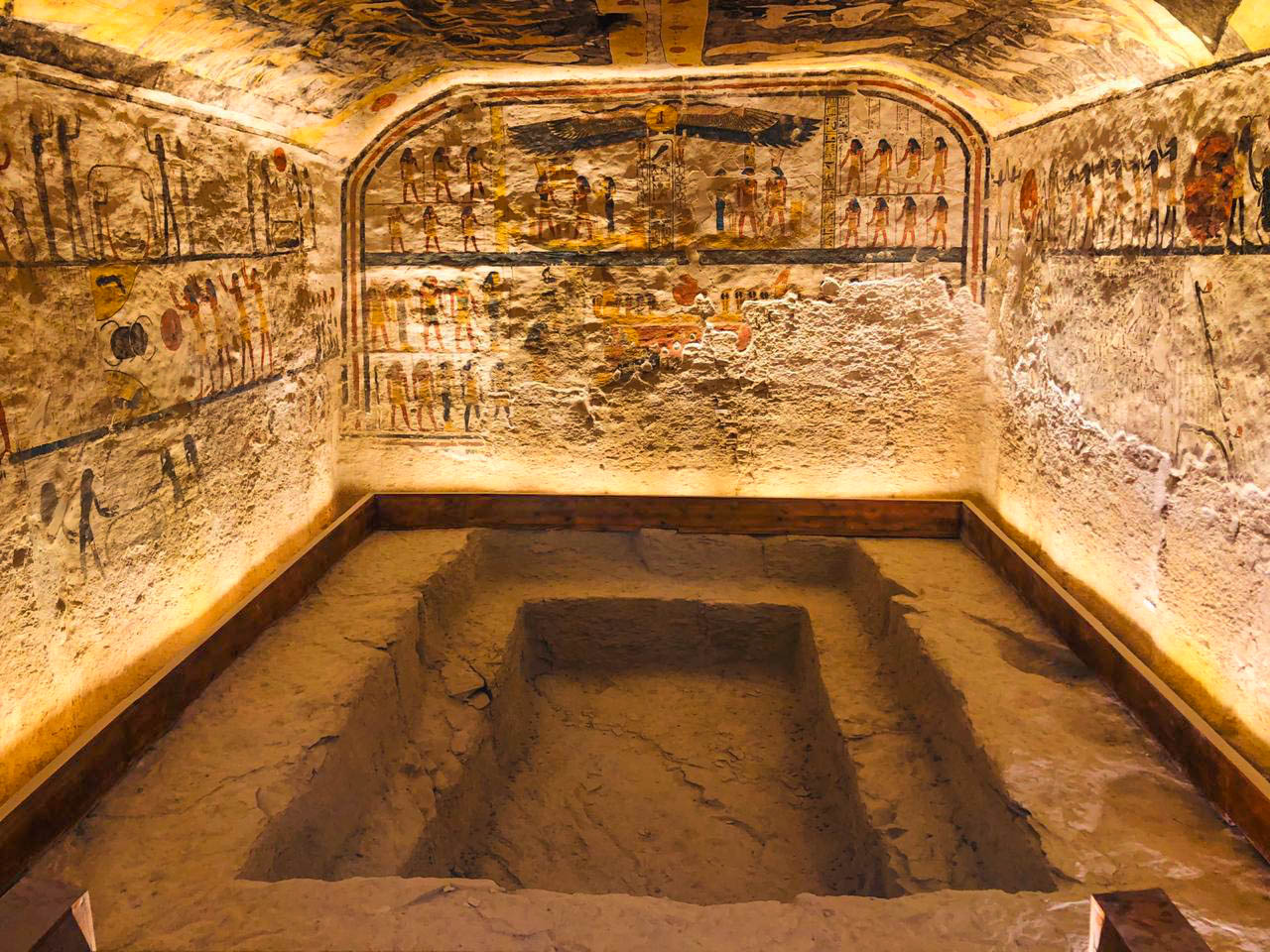
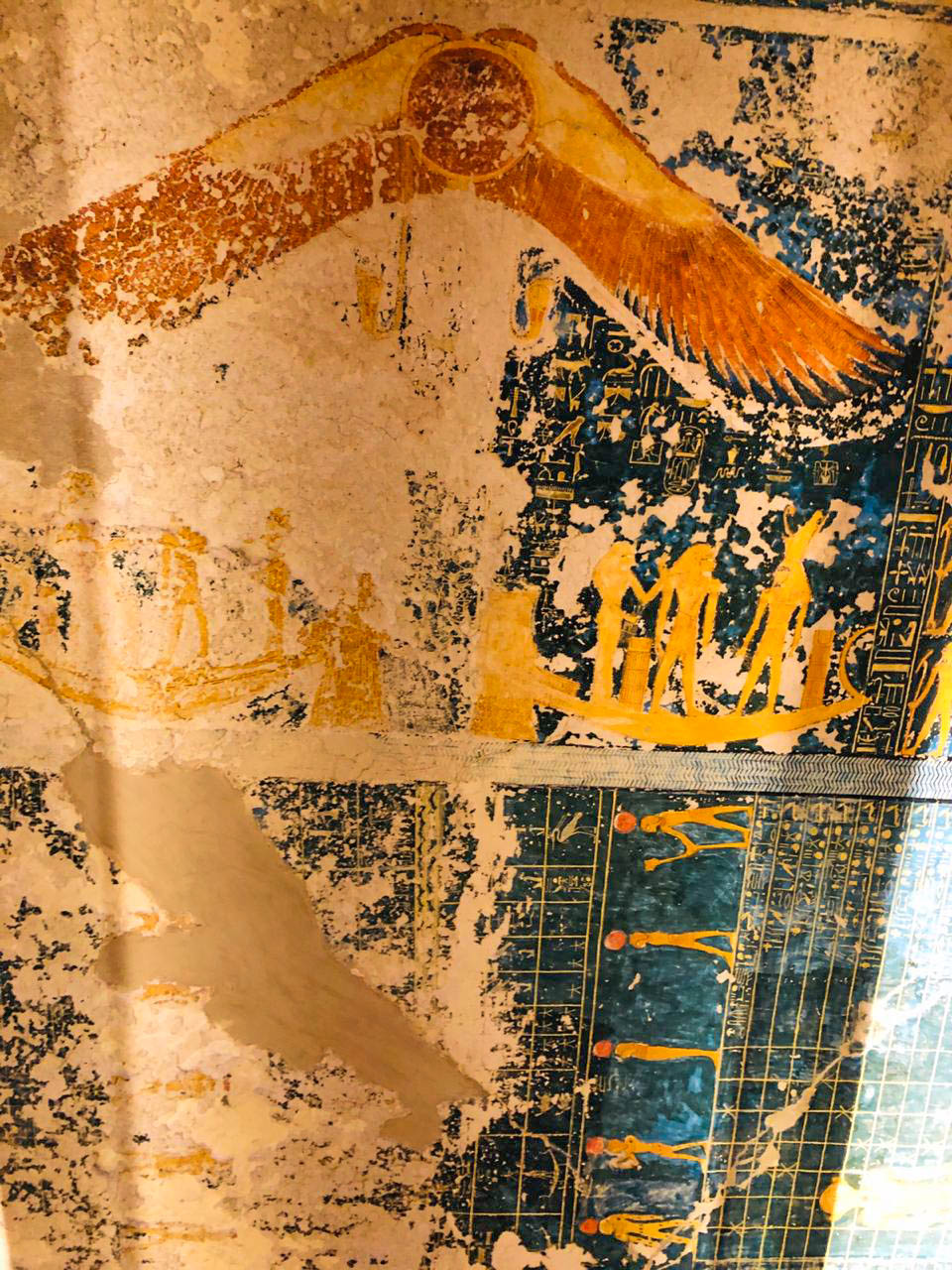
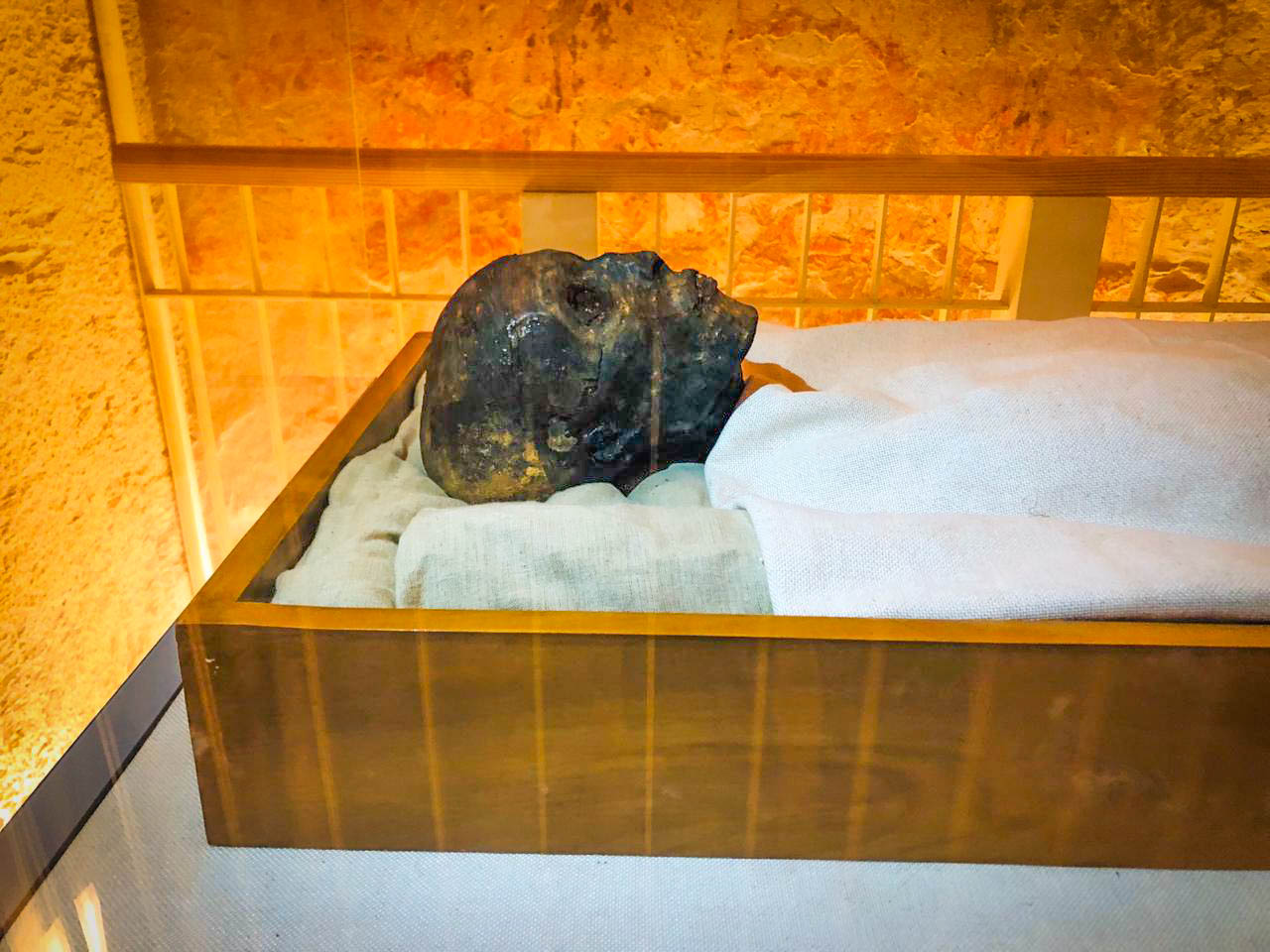
Mummy of the Boy King, Tut Ankh Amun who ruled Egypt for about 10 years. He was an ancient Egyptian pharaoh who was the last of his royal family to rule during the end of the 18th dynasty (ruled c. 1334 – 1325 BC) during the New Kingdom of Egyptian history. His father was the pharaoh Akhenaten, believed to be the mummy found in the tomb KV55. His mother is his father’s sister, identified through DNA testing as an unknown mummy referred to as; “The Younger Lady” who was found in KV35.


After seeing many Egyptian ruins, I have got the impression that they really do value the scale of their crafts. I mean.. look at these humongous wall carvings!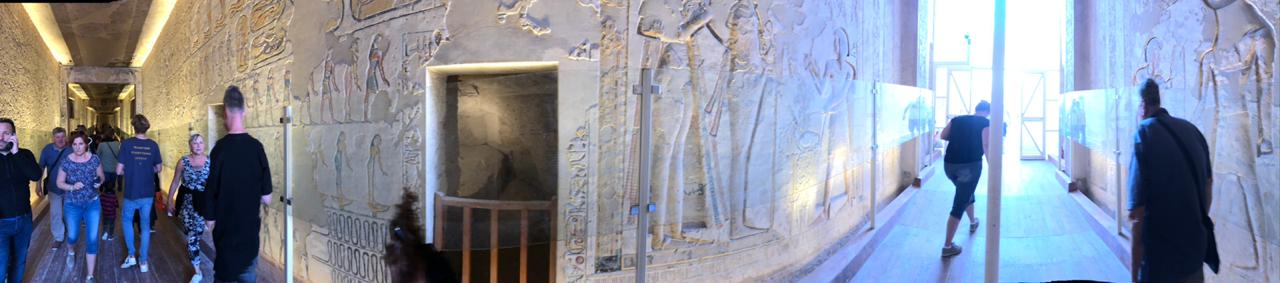
We also saw the Colossi of Memnon but it was not very impressive.

Anyhow, we spent sometime crossing the Nile on a tradition motor boat from Luxor west bank to east bank as Luxor temple was going to close soon.

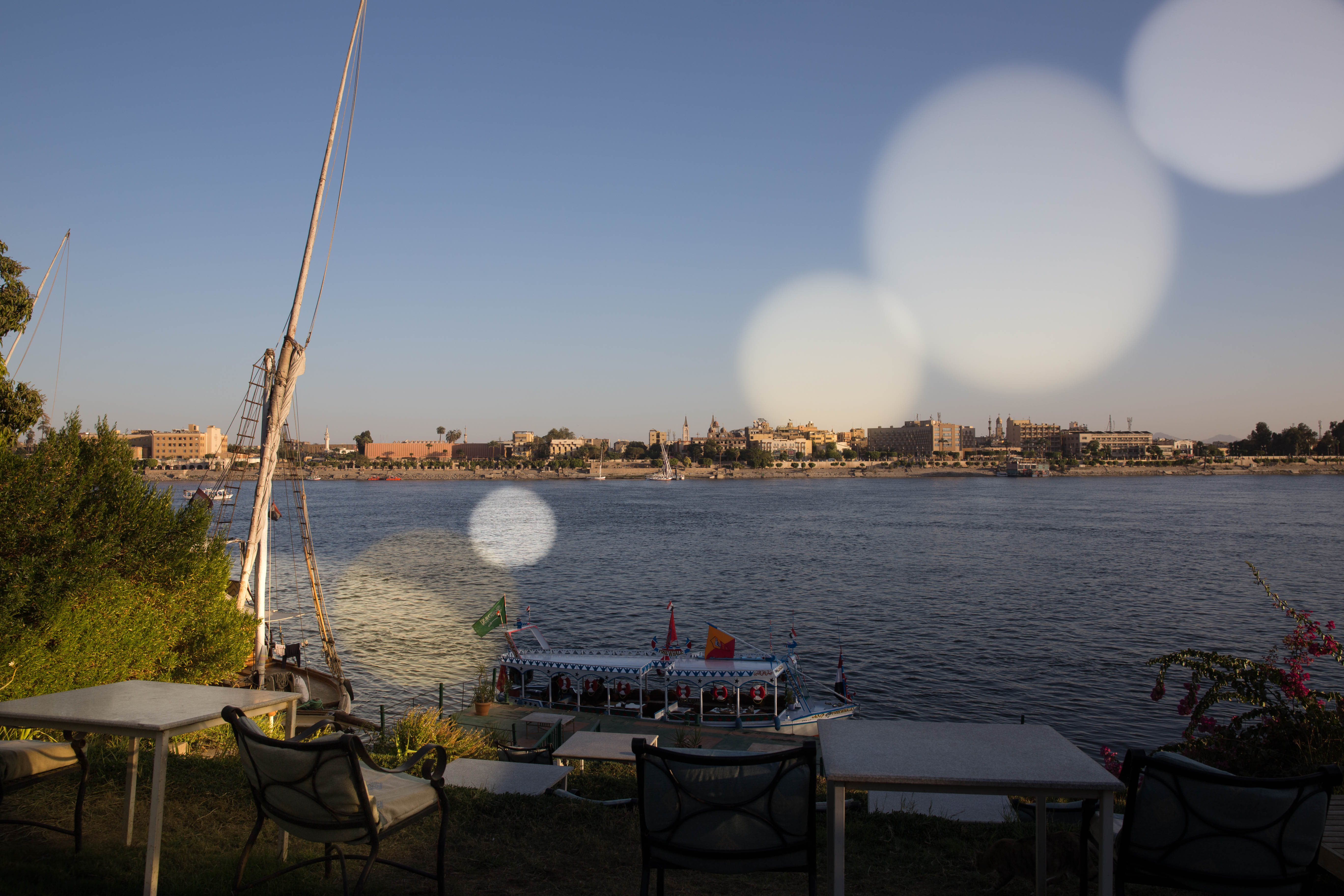
Before that we had late lunch by the river side. Thats the east bank of Luxor from this side.
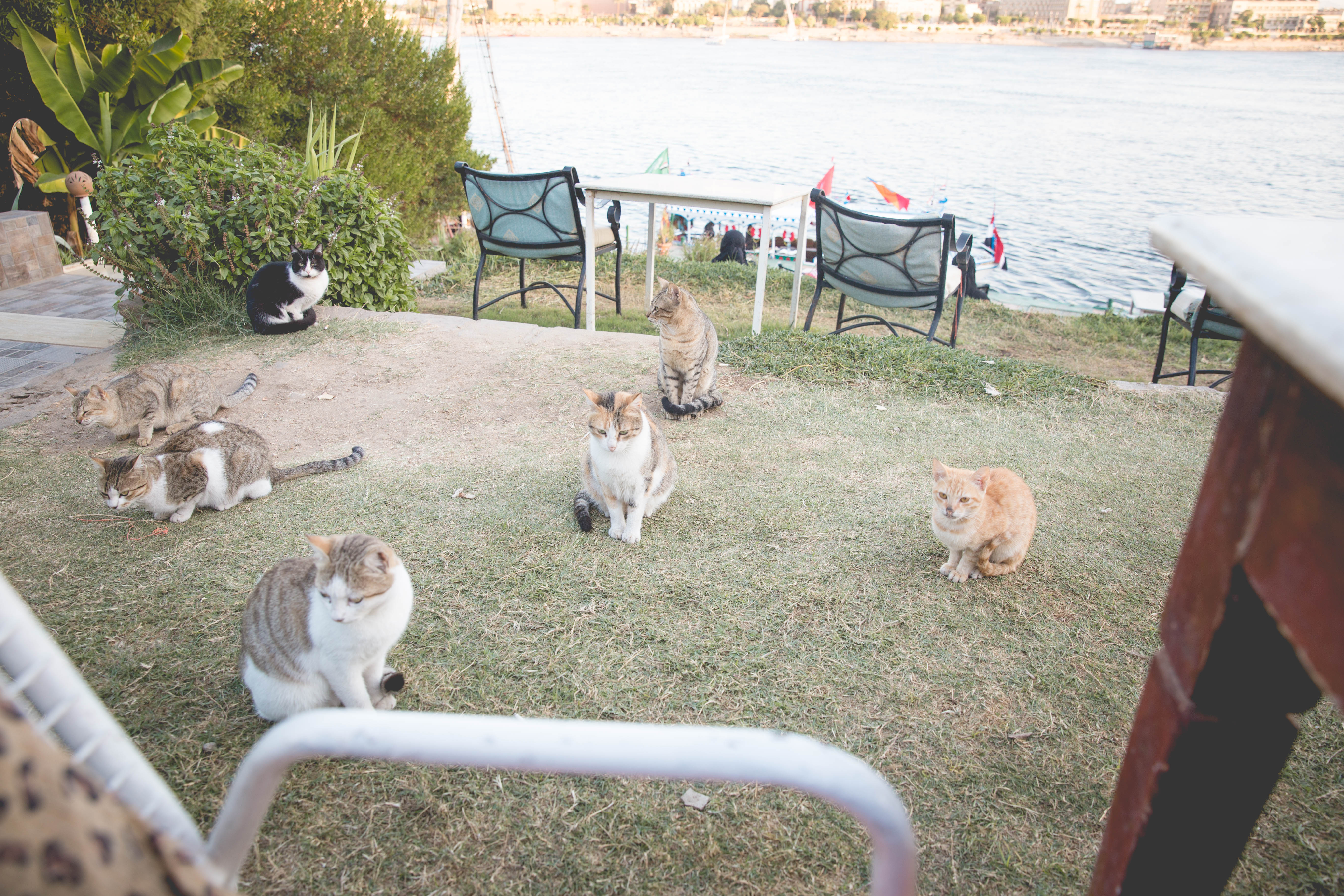
So many cats waiting for scraps by our table. There was a very grumpy one.
Visit Karnak And Luxor Temple.
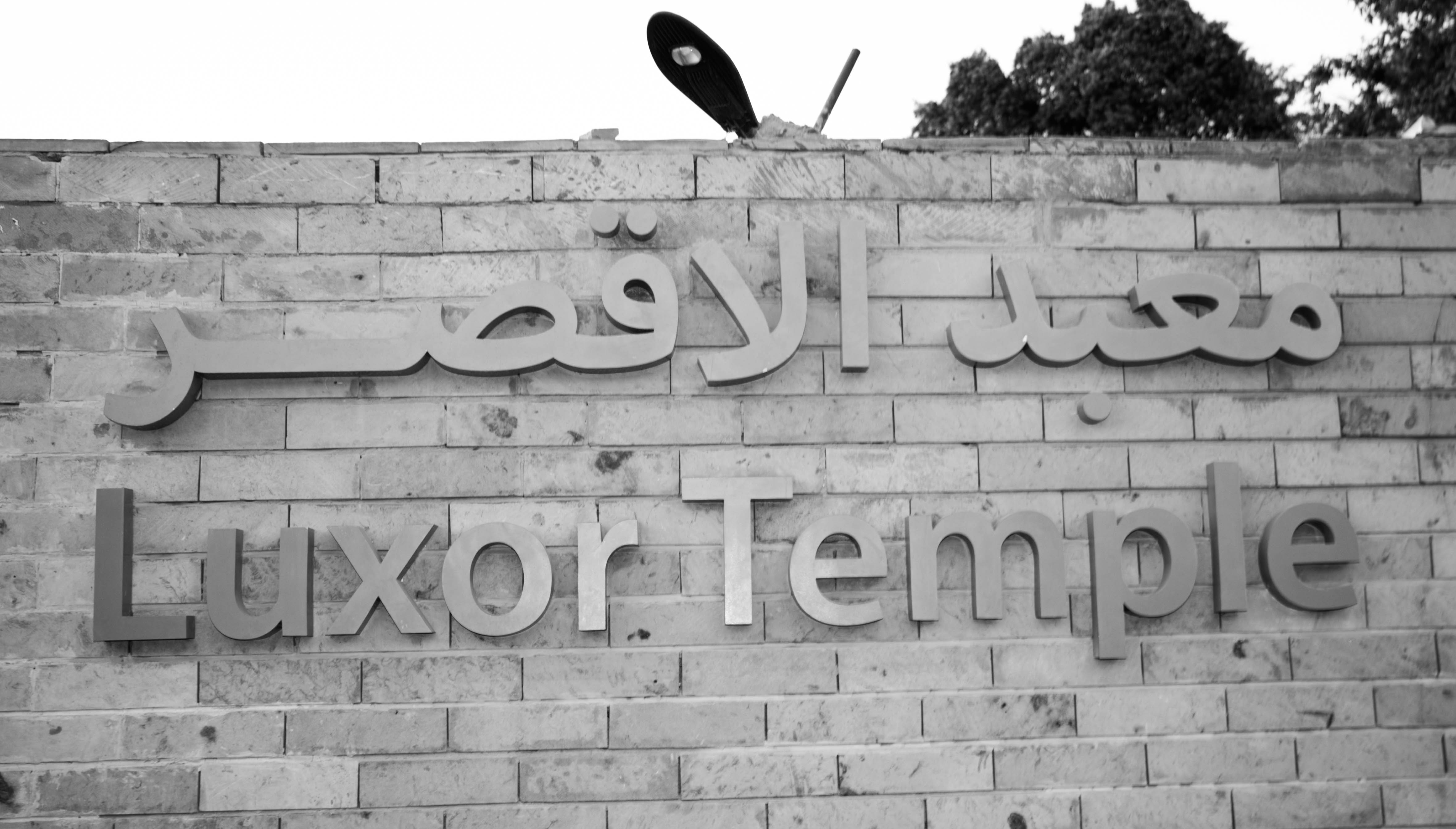
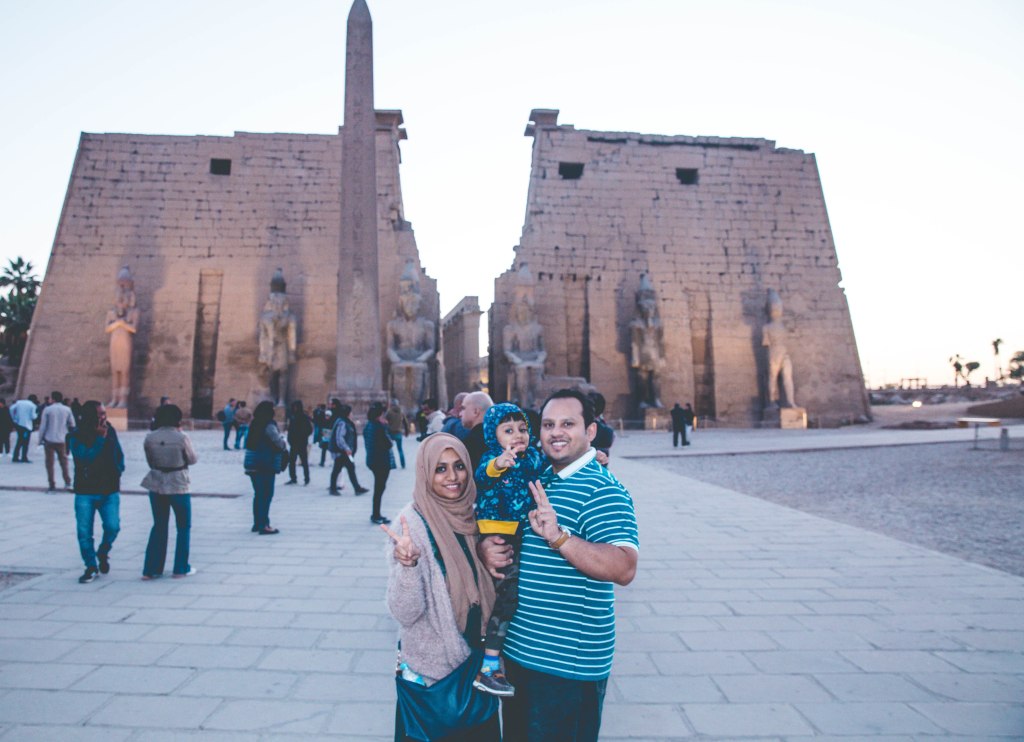
We did not get enough time to go to Karnak temple as it closes at 5pm. Karnak temple is much bigger than Luxor temple as I was told by my guide. At the entrance of Luxor temple was the giant obelisk as you can see behind us. The Luxor Obelisk is over 3,000 years old and was originally situated outside of Luxor Temple. Interesting fact is one of the twin obelisk was given to France and its twin remains in Luxor temple to this day. It first arrived in Paris on 21 December 1833, having been shipped from Luxor via Alexandria and Cherbourg and three years later, on 25 October 1836, was moved to the centre of Place de la Concorde by King Louis-Phillipe. It was given to France by Muhammad Ali Pasha, Ruler of Ottoman Egypt in exchange for a French mechanical clock.

From Luxor to Karnak temple there is a pretty damn epic entrance featuring an avenue of sphinxes which leads to the pylon. These sphinxes are ram-headed, symbolising the god Amun.
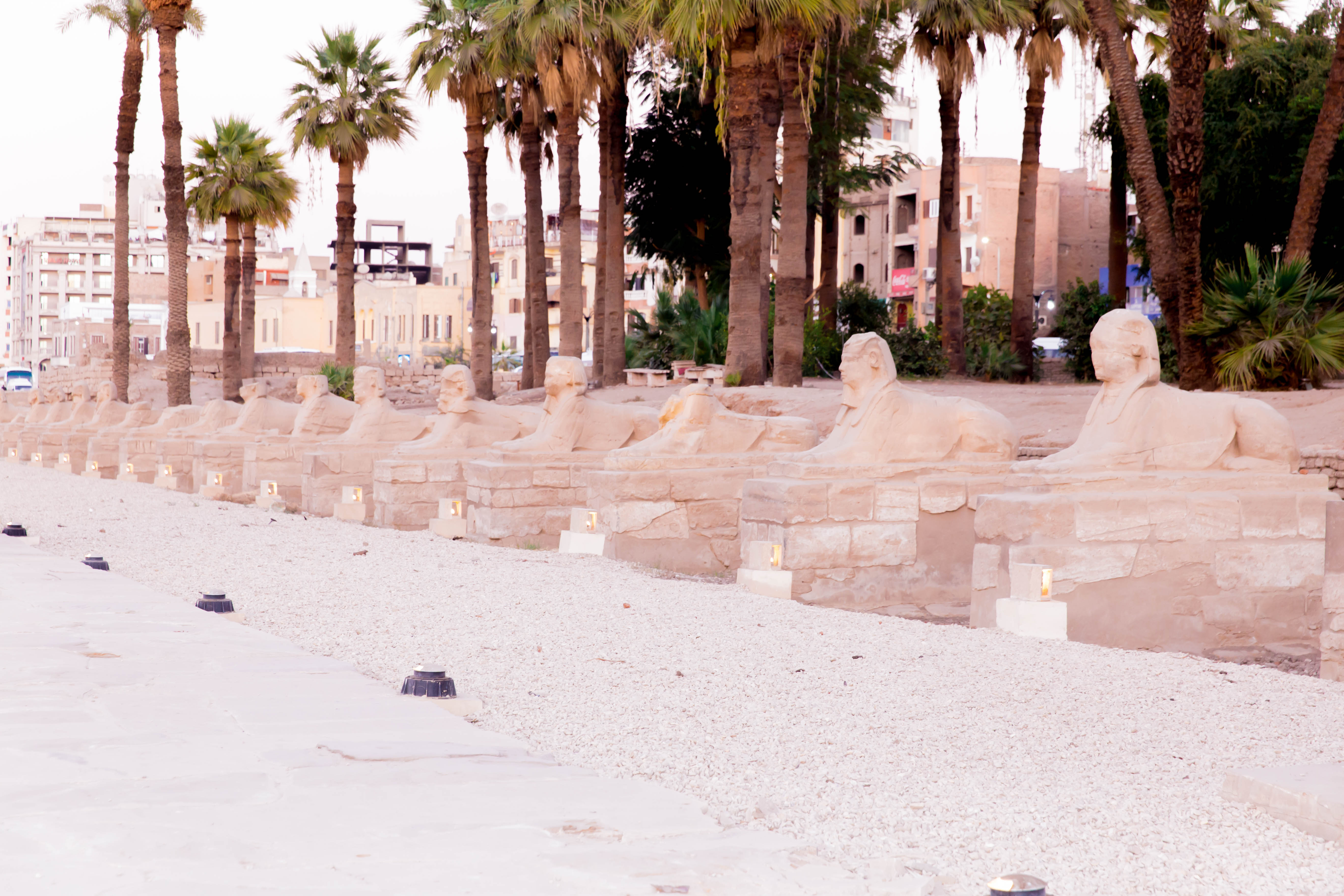
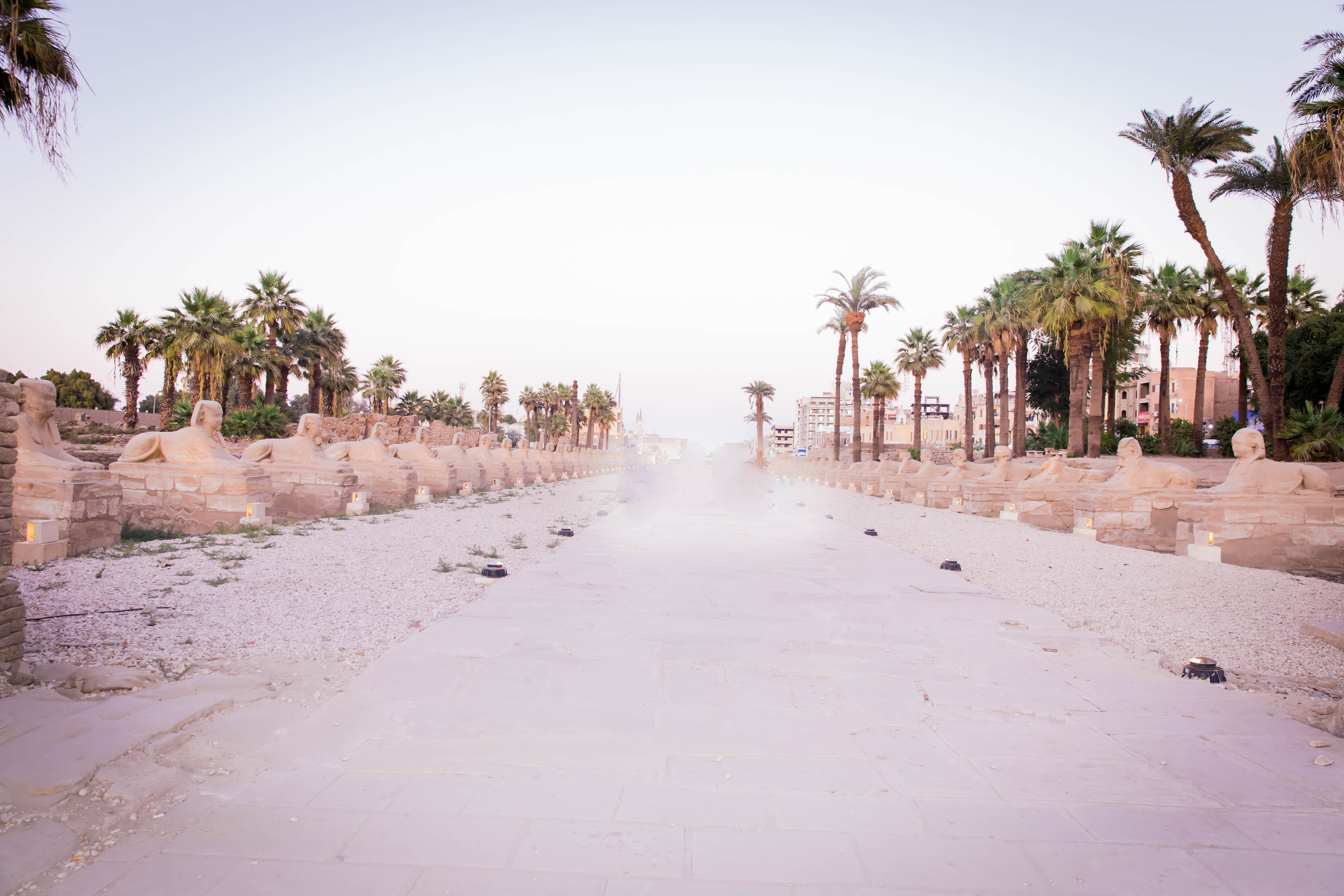
It amazes me how they were able to carbon copied each pillar to look exactly the same with a very limited technology they had back then.
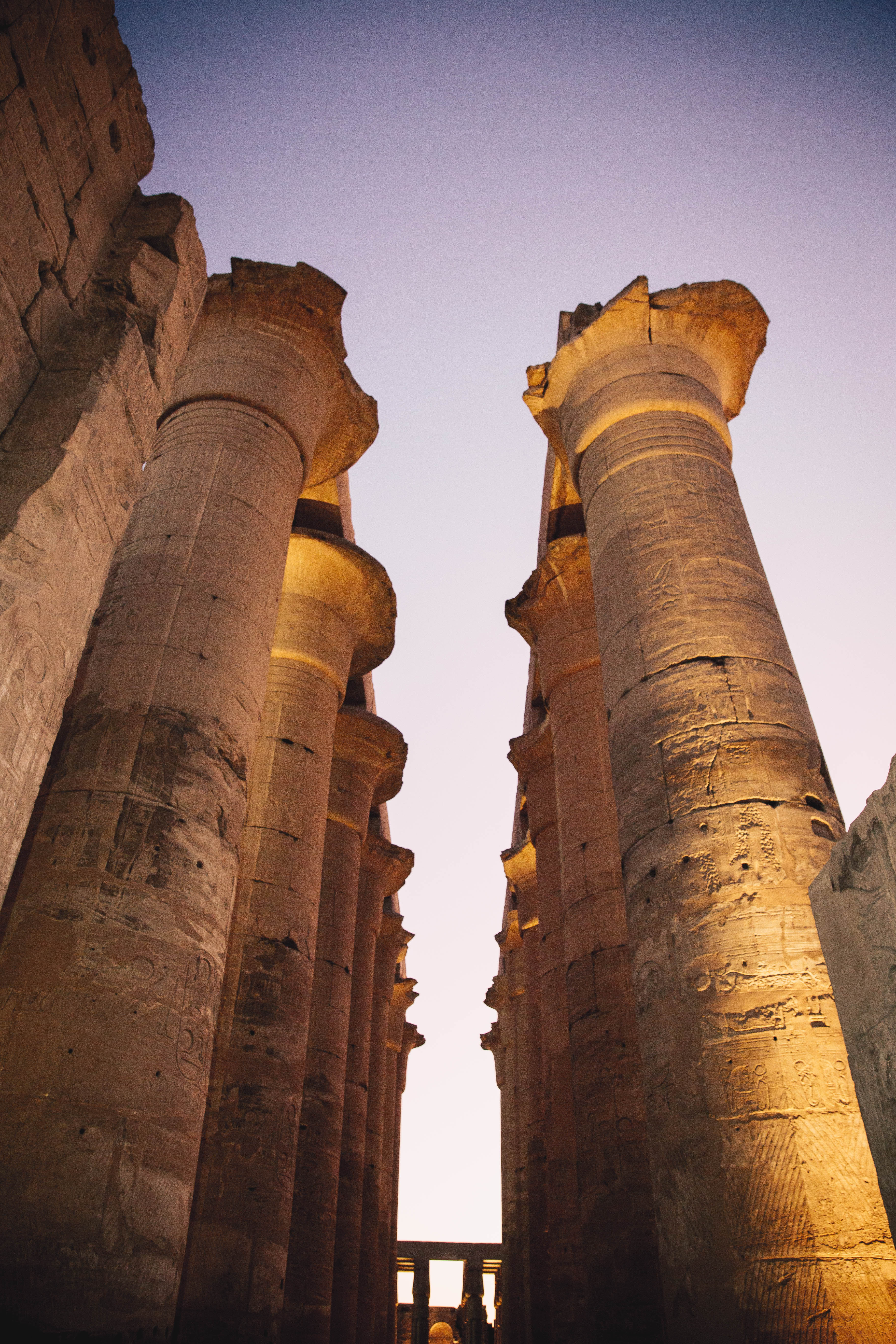
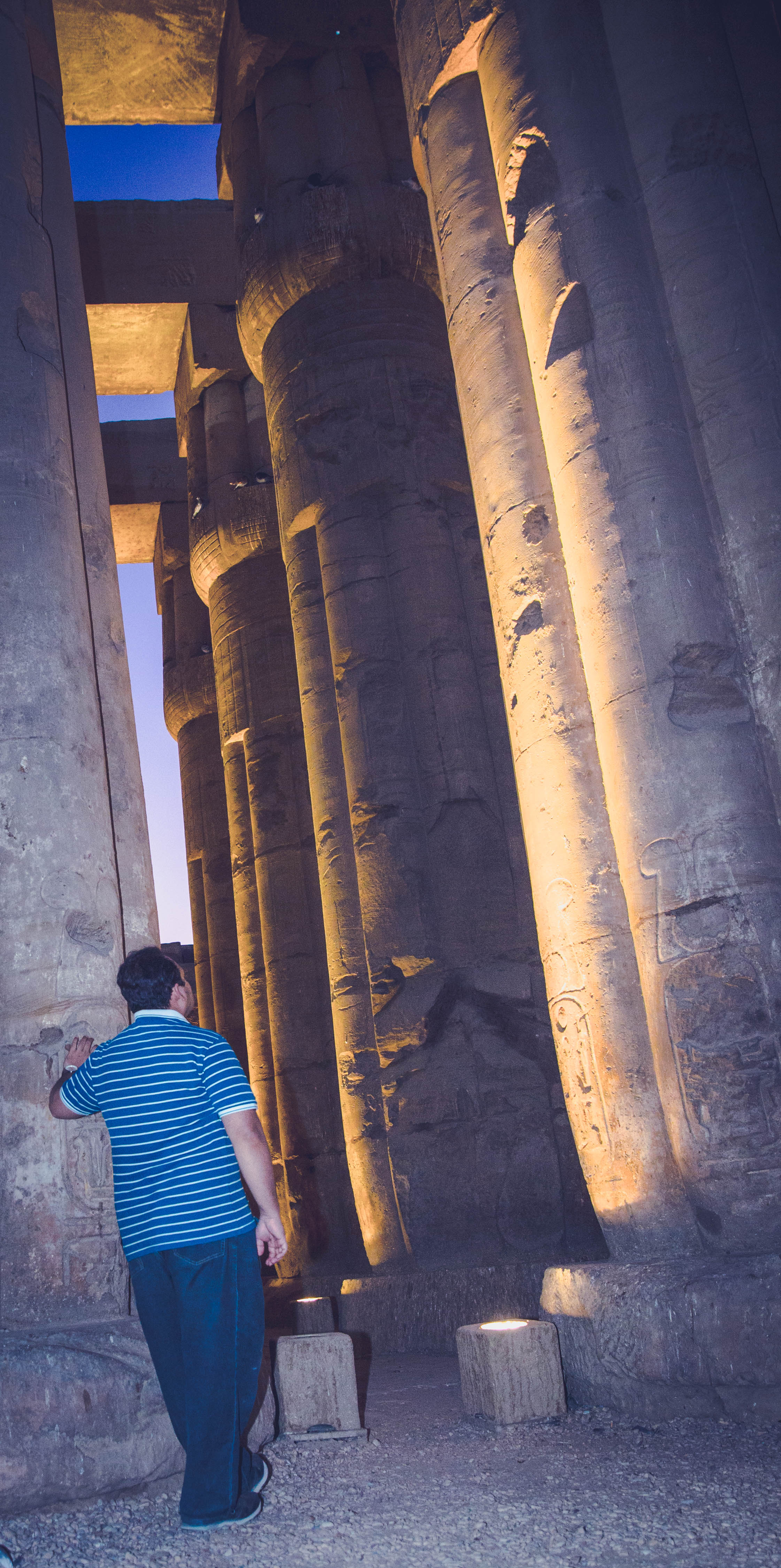
The massive columns in the hypostyle hall dwarfed me. Can you feel any smaller?
Many obelisks were constructed in the Karnak temple. One still stands as the tallest surviving obelisk on Earth.
Sitting in the hypostyle hall, being dwarfed by all the pillars really got me thinking about how awesome the human race is. We made the impossible possible.

There’s a reason why I chose to visit the Luxor temple last. Luxor temple is one of the few temples that closes late at night which made it the perfect spot to watch the sunset.
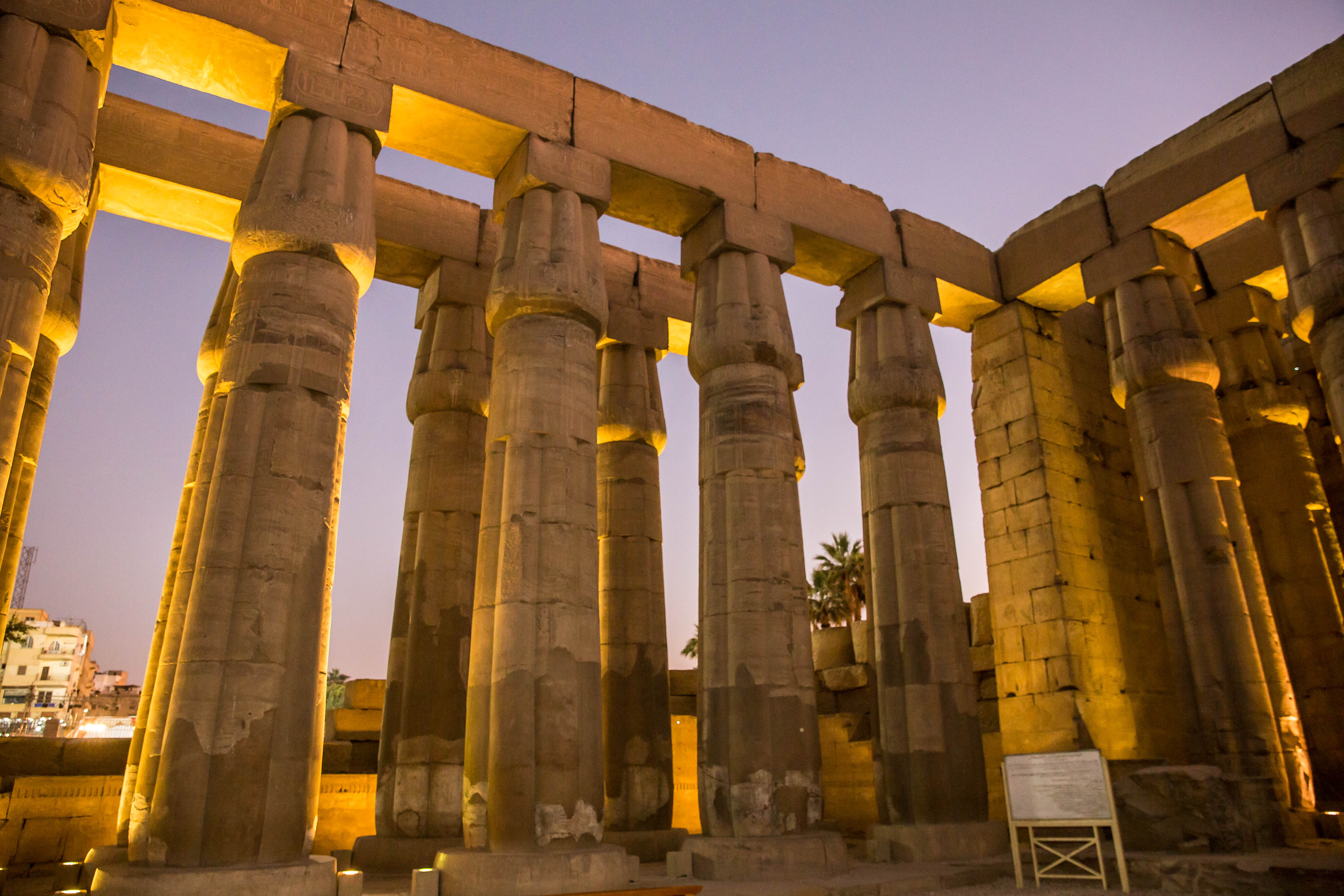
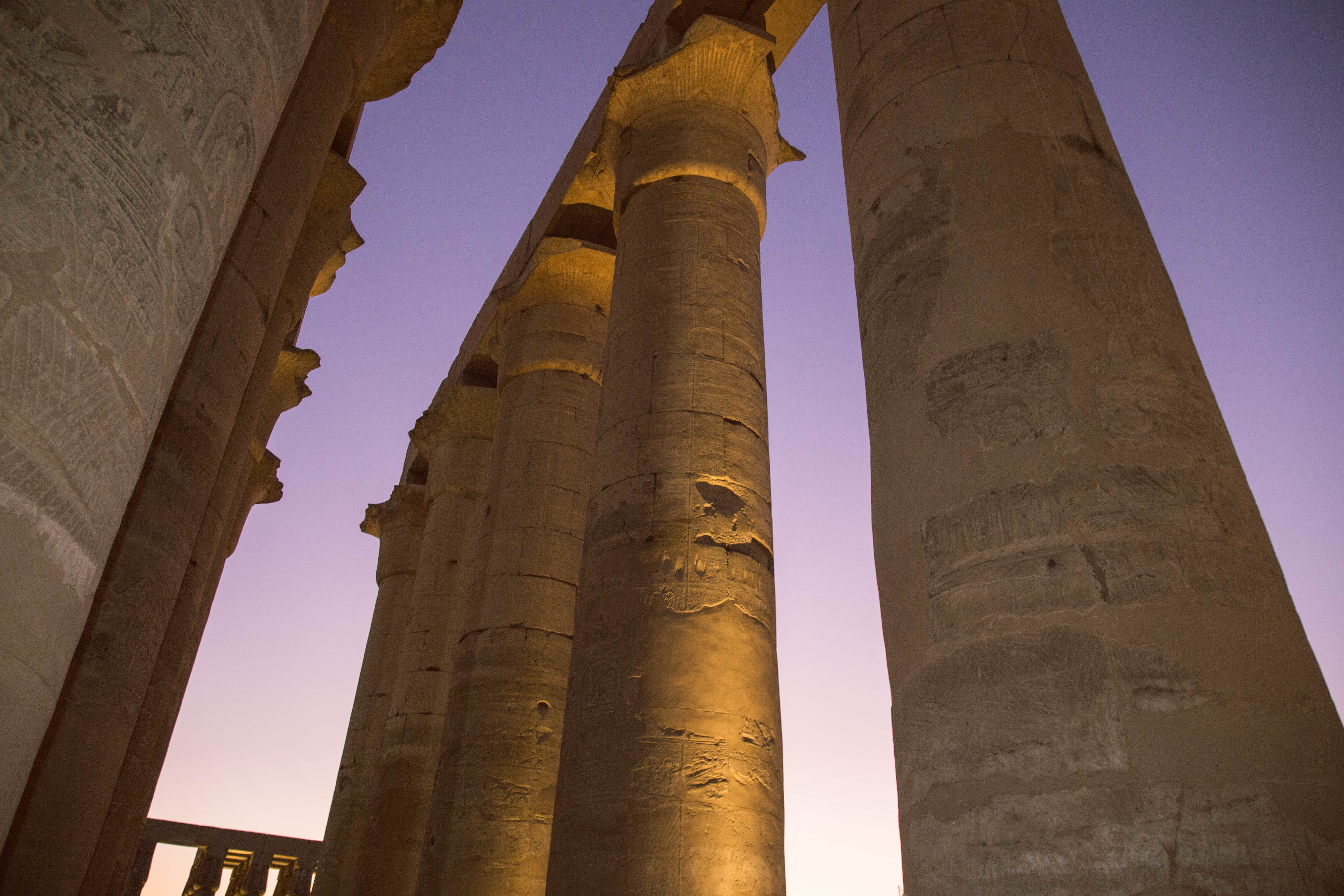
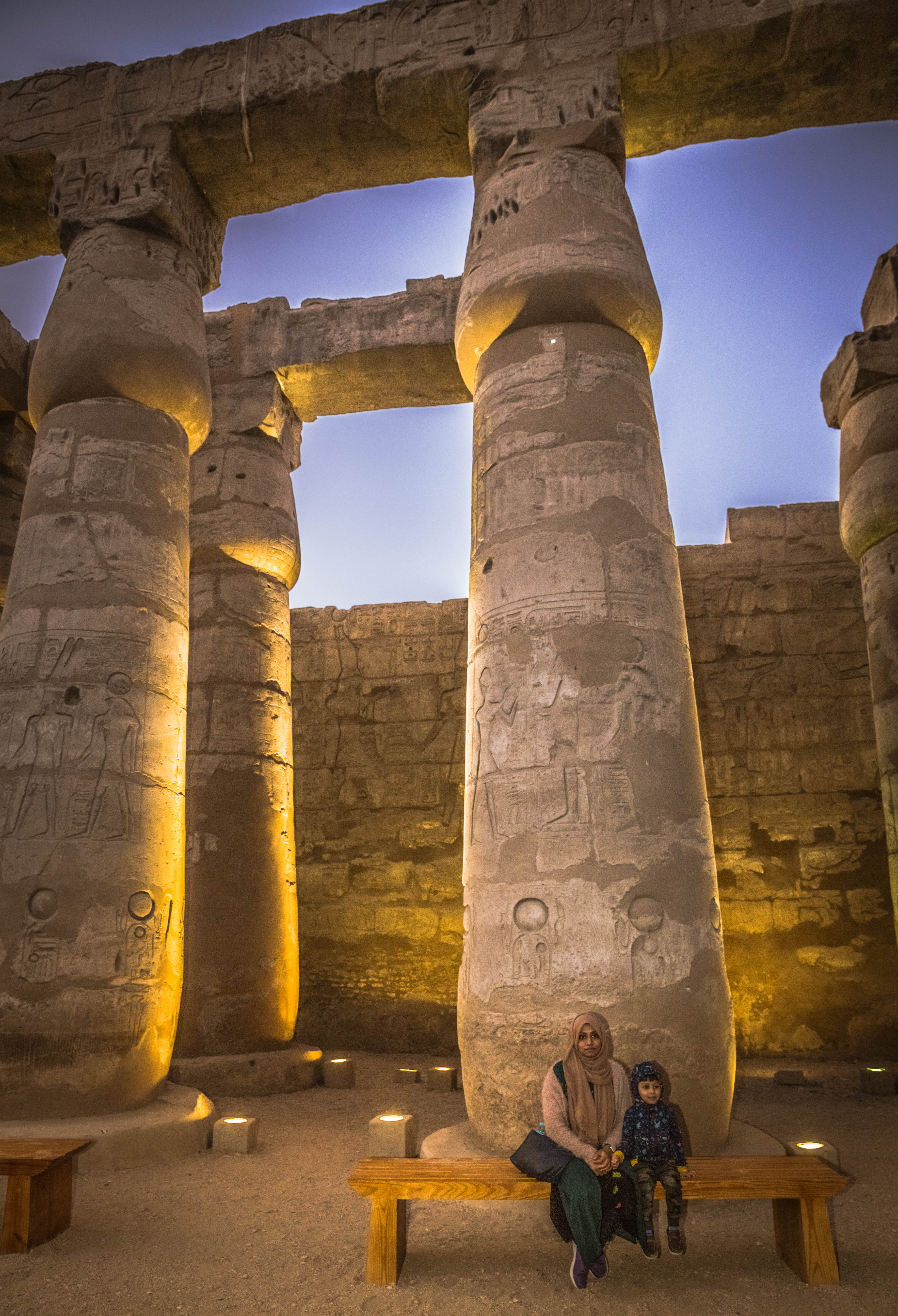
My guess is because of the location of the temple, it is much easier for the police to secure the place at night which would be impossible for remote temples like Abu Simbel. Throughout my trip, only Luxor temple is in the vicinity of the city centre.
There is something about Africa that makes watching the sunset an unforgettable experience. I had a similar feeling when I was in Kenya and I had that feeling here in Egypt as well.
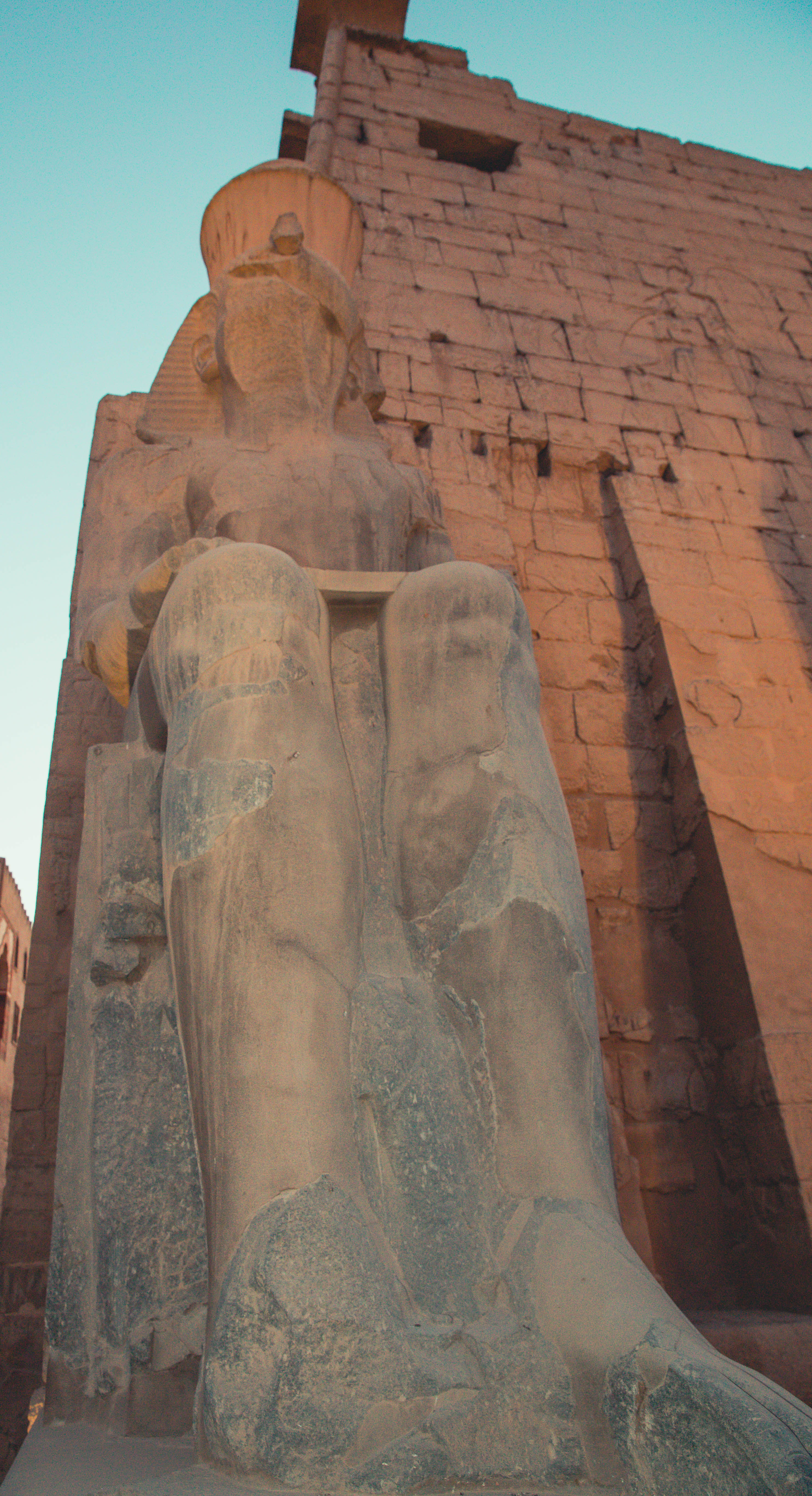
It maybe because of the atmosphere of the surrounding that makes the illuminated orange light outstandingly vivid.
If only there were some kind of explanation to all these carvings, that would have make these temples more interesting.
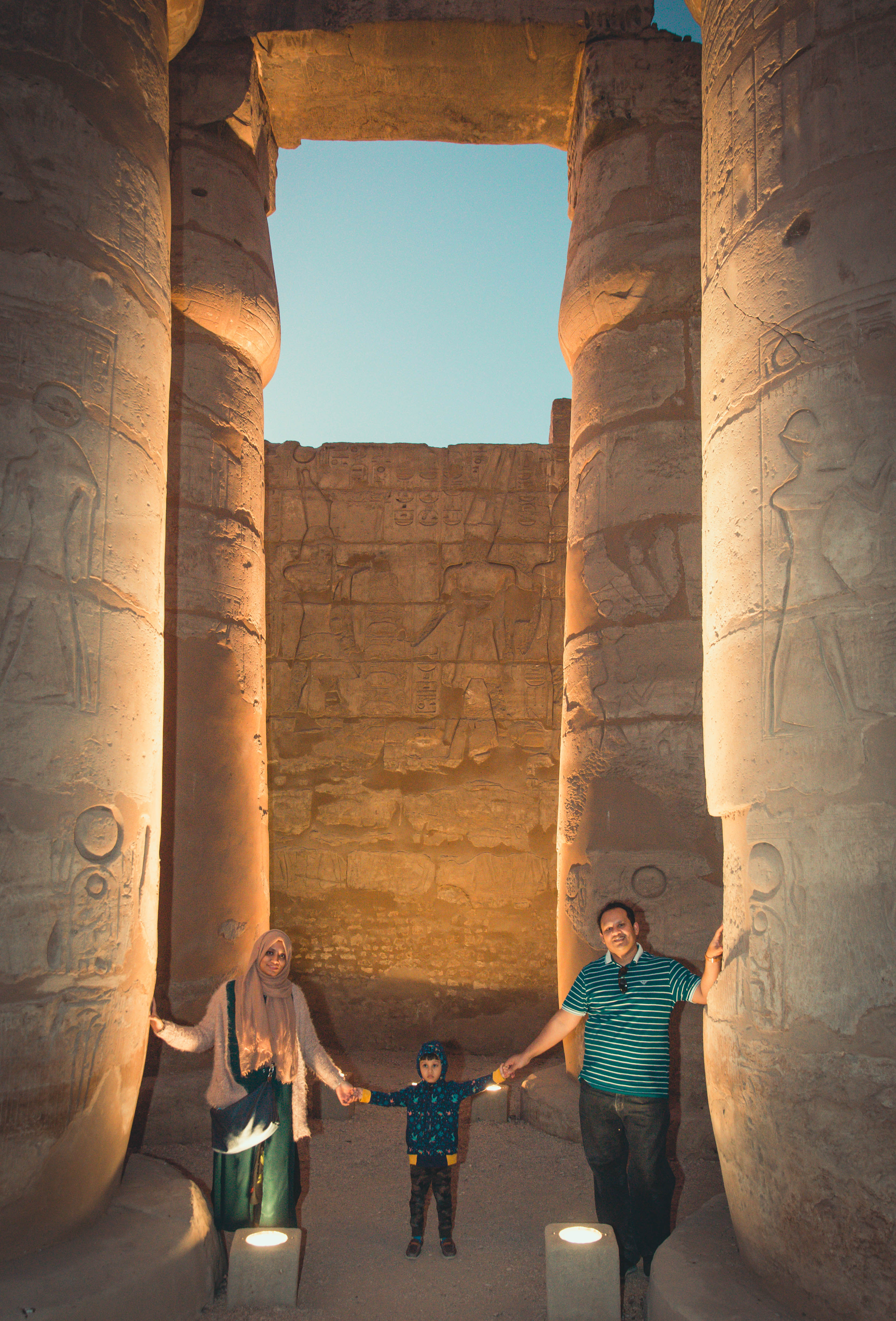
As the sun set completely, several spotlights were turned on to illuminate and create some kind of a light show. It was as dreamy as it gets.
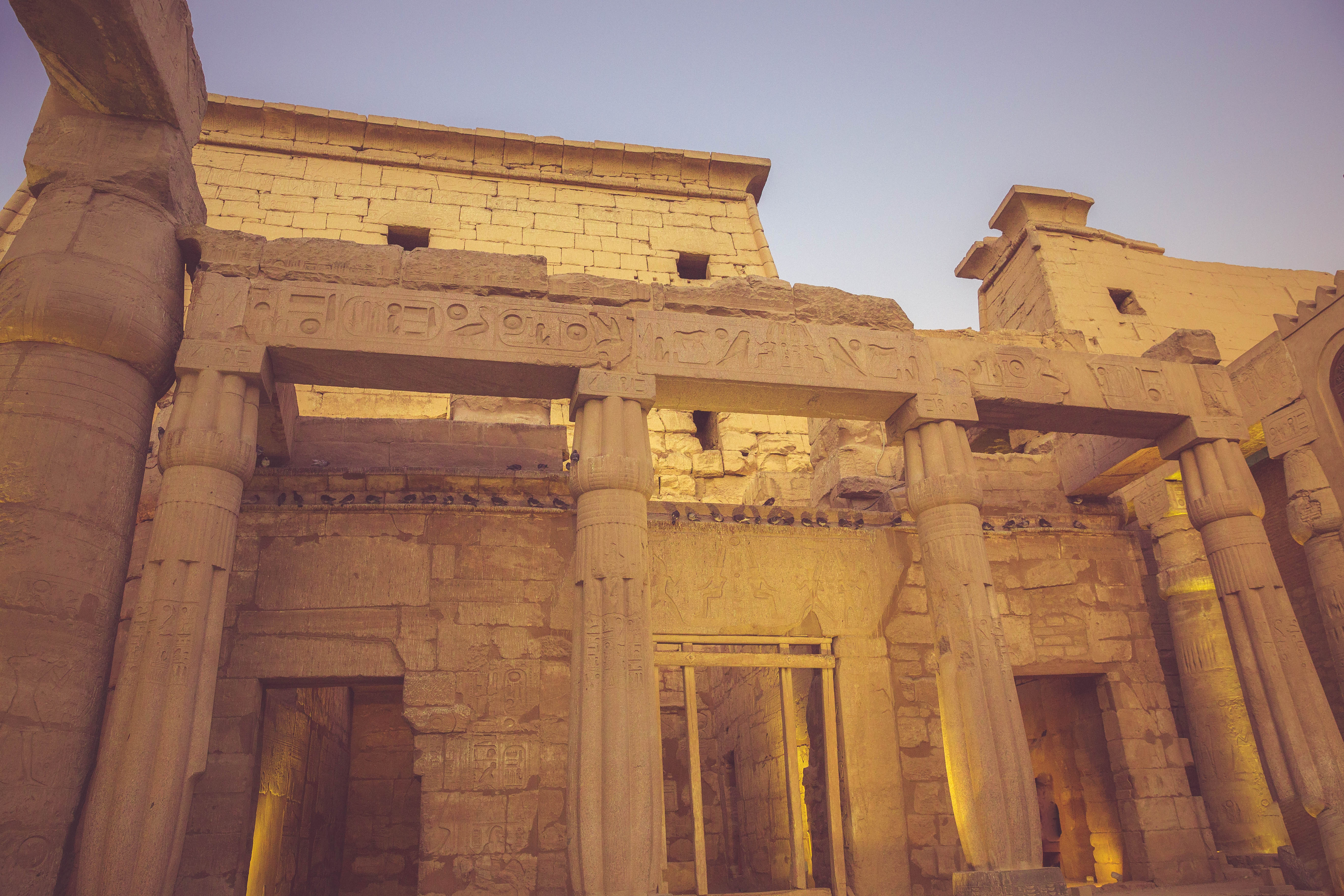
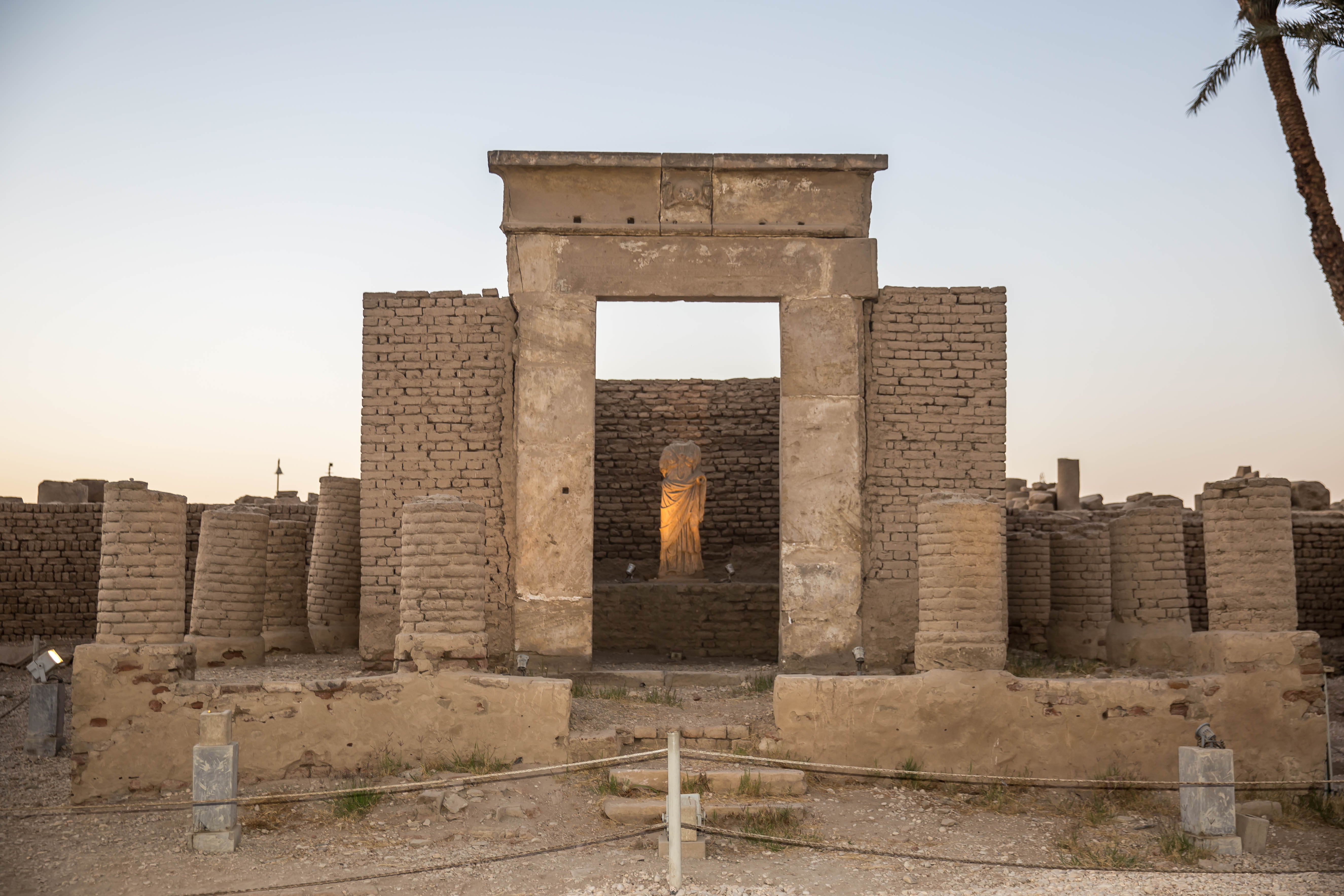

The good thing about traveling in the desert is that you don’t have to worry about bad weather. The weather will always be cleared most of the time.
It was totally worth it waiting and visiting the temple during sunset, a truly unique experience.
Stay tuned for the post regarding the Hurghada part of the trip which consumed most of our Egypt tour.



 Tulan Hayat
Leave a comment