Day 5 – Tuesday 10th December-2024, At sea towards South Georgia
We were gently awakened by Adam’s pleasant morning call and weather update.
After breakfast, we made our way to the observation lounge for our morning activities. There, accompanied by a film narrated by David Attenborough and featuring breathtaking wildlife scenes from South Georgia, we learned about the importance of protecting its pristine ecosystem. We also discussed the guidelines for our upcoming landings, ensuring we would follow the expected behaviors to help preserve the environment.
Next, we focused on the practical application of these guidelines with a biosecurity check. We brought all our outdoor gear for inspection by the expedition team. Cleaning any equipment, where necessary, is crucial to prevent the introduction of alien species, which could have catastrophic consequences for the unique, endemic wildlife and the broader ecosystem.
After a delicious lunch, our AEL Steffi announced that the bridge team would be releasing an Argo Float, adding another special moment to our time aboard the M/V Plancius. Argo is an international program that uses free-drifting profiling floats to collect data from the ocean. These floats move with the currents, traveling between the surface and a mid-water level, measuring temperature and salinity in the upper 2,000 meters. Most of their life is spent below the surface, and the program works in tandem with the Jason Earth-observing satellites that track ocean surface shape.

Day 6 – Wednesday 11th December-2024, At sea towards South Georgia
Good morning, good morning, good morning!
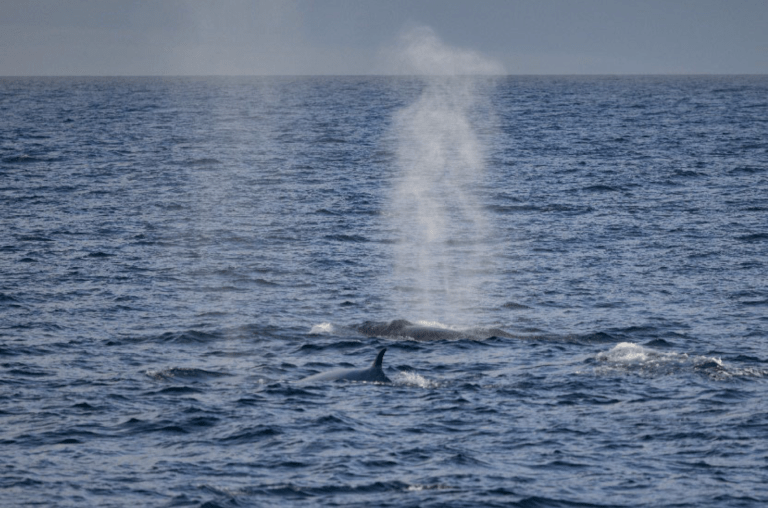
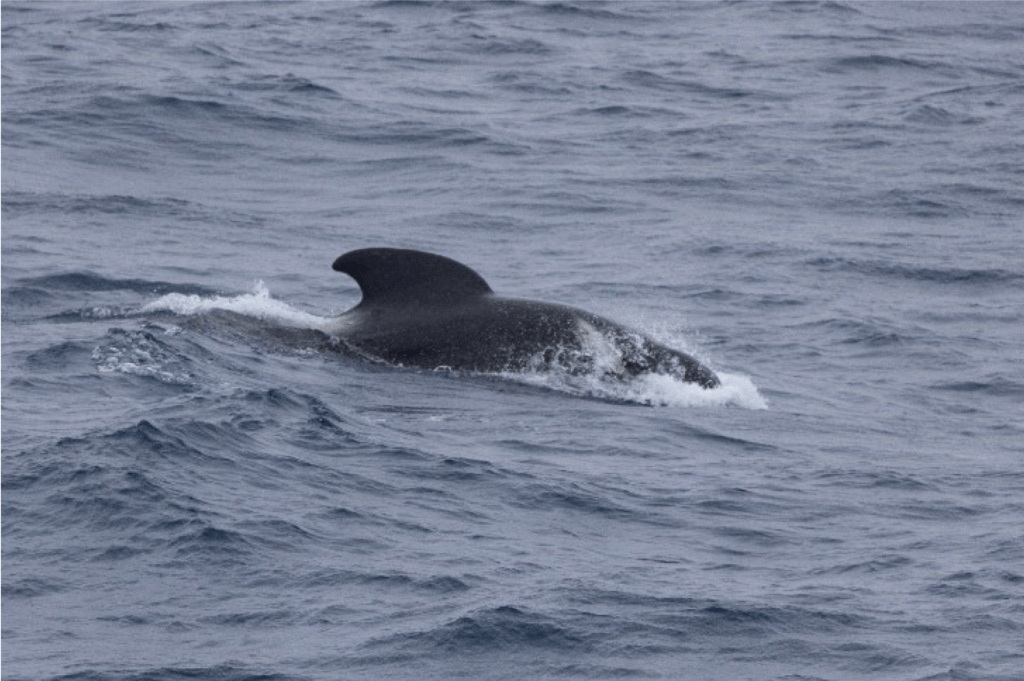
Today we woke up surrounded by fog, reducing the visibility, but creating a very scenic atmosphere. It was noticeably a bit colder out on the decks, now that we were fully in the Antarctic Convergence zone, also increasing our chances of spotting wildlife! In the morning there was already a pod of Pilot whales swimming past the ship!
After indulging in our amazing breakfast, we headed to the lounge to learn all about seals from Chloe. We learned that there are two types of seals, or pinnipeds (literally translated as ‘finfoot’), in the southern hemisphere, eared seals and earless seals or true seals. Eared seals include sea lions and fur seals, and they can walk funnily on their fins. Earless seals rely on their blubber for warmth and include Elephant seals, Weddel seals, Leopard seals, Ross seals and Crabeater seals.In the afternoon Koen was teaching us the best ways to take photographs of wildlife in the lounge. Whilst he was presenting, we immediately got to practice our skills with Humpback whales right next to the ship! There were also Antarctic fur seals, Antarctic prion, shags, and many other birds. The Antarctic Convergence was definitely living up to its name with all that
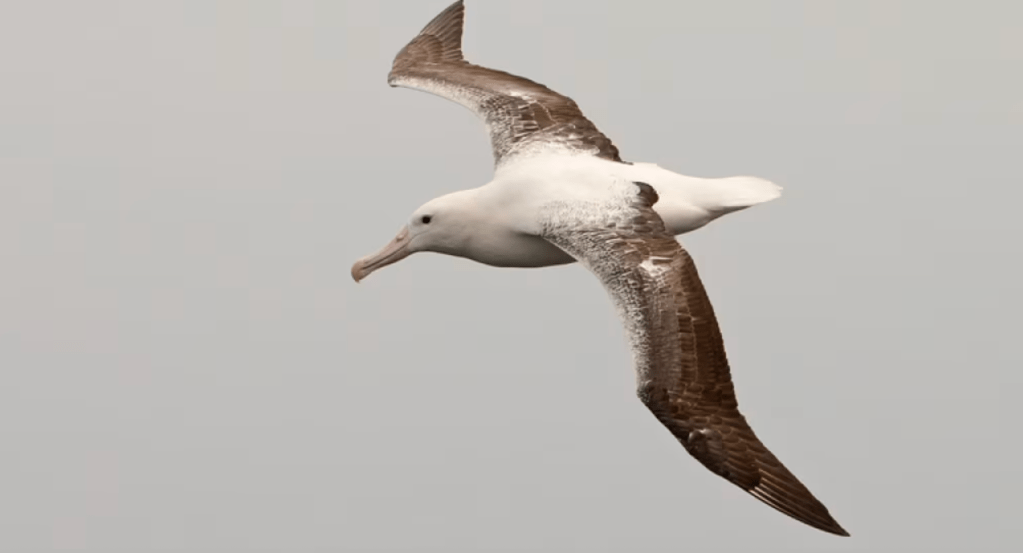
We then passed Shag Rocks, six small islets 240km west of South Georgia and 1000km away from the Falklands, so truly isolated. It may look like there is white snow on the tops of them, as they are covered in guano from shags, prions and wandering albatross. Unfortunately, we were unable to see these mystical rocks because of the sea fog, so we had to imagine them.
We all got very excited during the recap, hearing about our first landing and zodiac cruise on South Georgia! Will told us all about the history of the islands, and we learned how to behave around the plentiful wildlife! 🙂
Day 7 – Thursday 12th December-2024, Right Whale Bay and Salisbury Plain
Good morning, M/V Plancius and welcome to South Georgia! After a very smooth and speedy crossing from the Falkland Islands we had arrived at one of the most beautiful, scenic and wildlife dense islands on the planet.
This morning the expedition team had planned our first landing at Right Whale Bay. The bay is named after the Southern Right Whales that visited here in abundant numbers before the start of industrial whaling during which they were hunted to the brink of extinction.
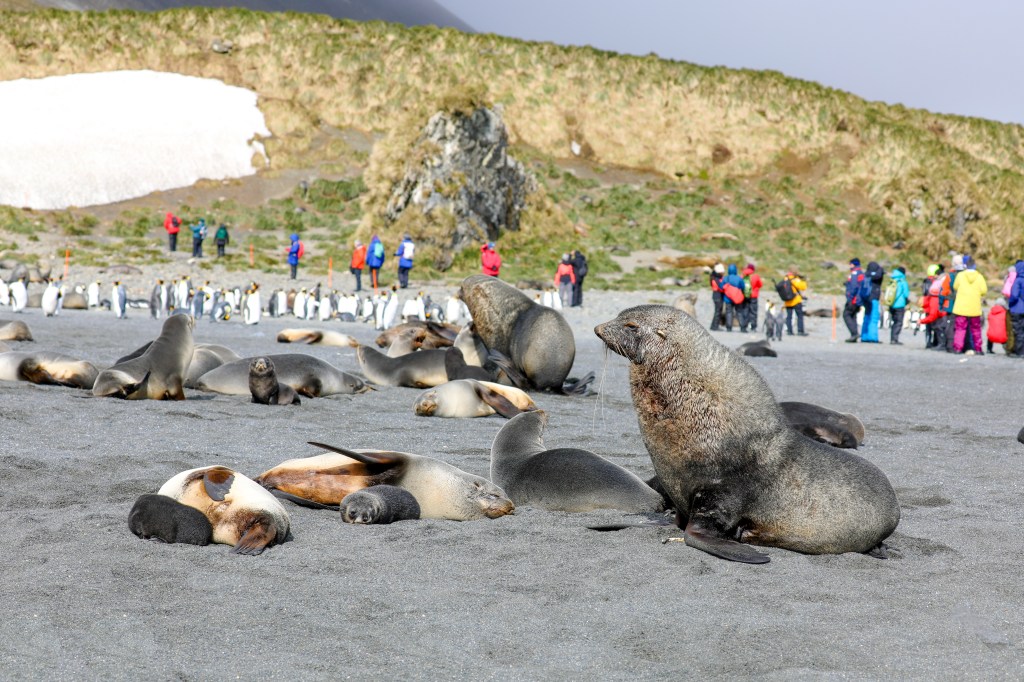
Southern Right whales are slowly recovering, and seeing them in these waters is still rare. However, upon approaching our anchoring position we could see the beaches being full of other wildlife. Without binoculars we could see elephant seals, fur seals and thousands and thousands of penguins. The sun had come out and the wind was almost nonexistent. All the ingredients were present for a perfect first landing.
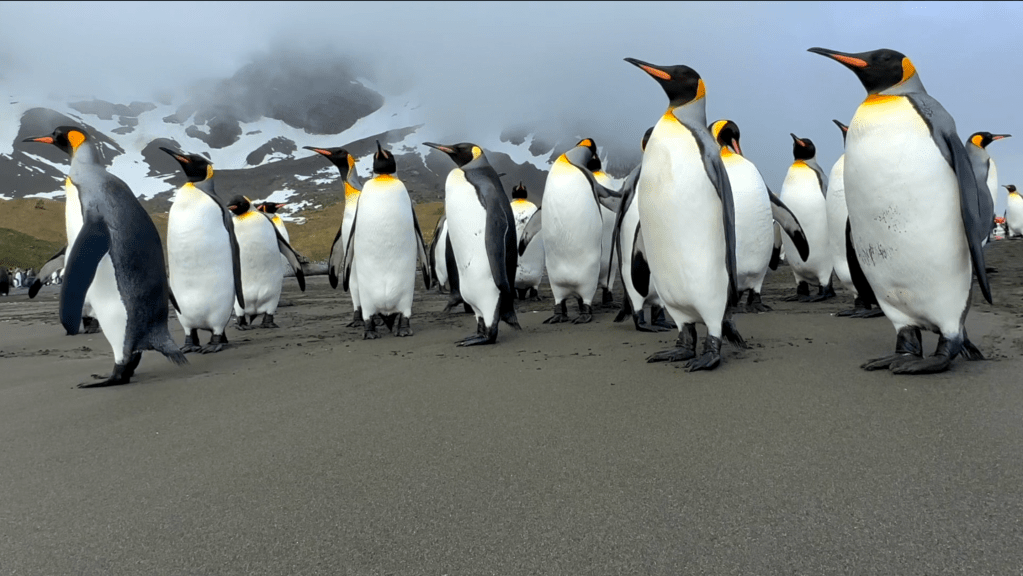
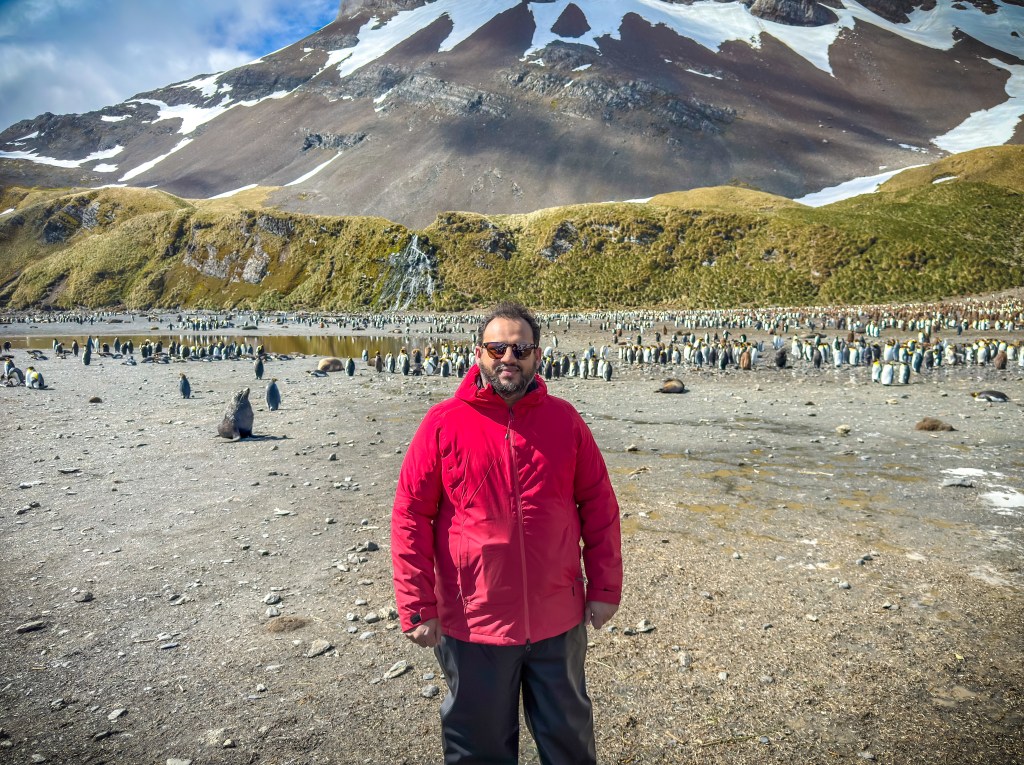
We landed on the beach and were greeted by surprised and curious looking King Penguins. The penguins have no fear for us and keeping our distances was quite challenging with these beautiful penguins approaching us closely. The expedition team had tried setting out a nice extensive route, but due to the density of wildlife they were limited in where they could go. What a luxury problem to have; too much wildlife!
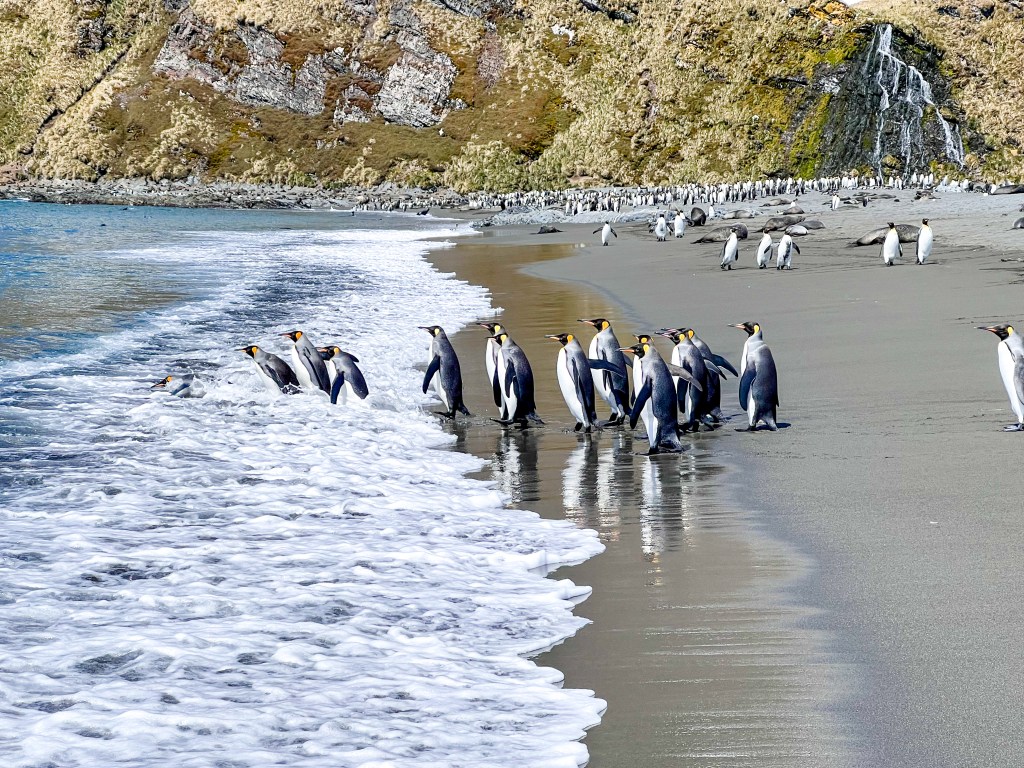
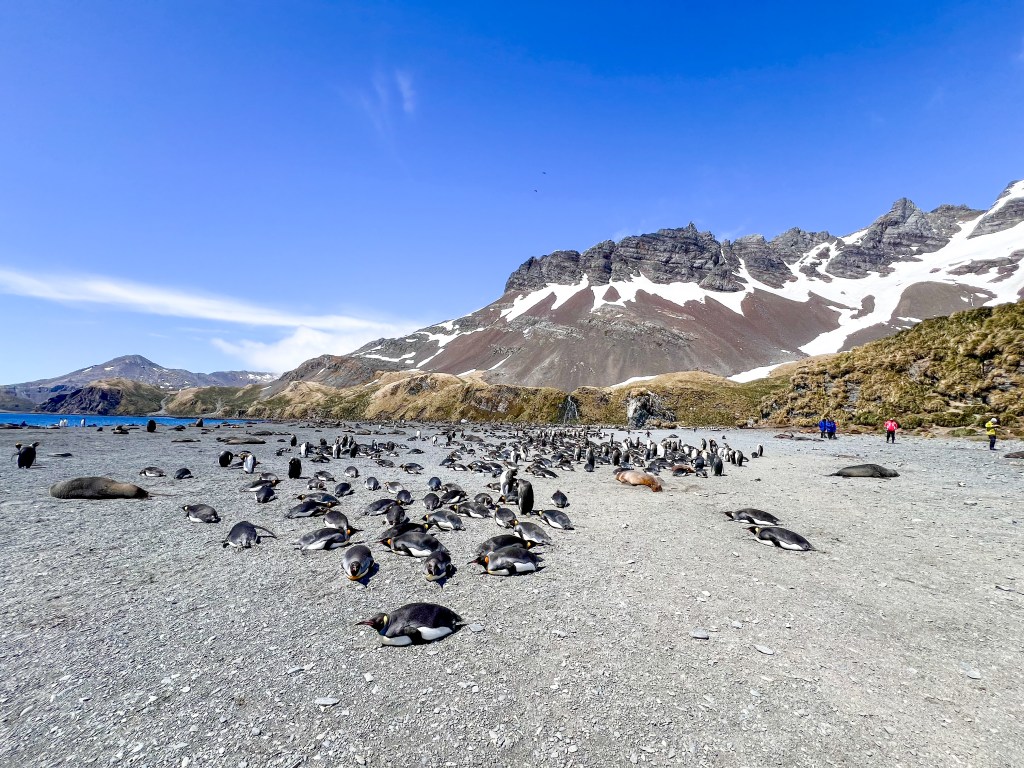

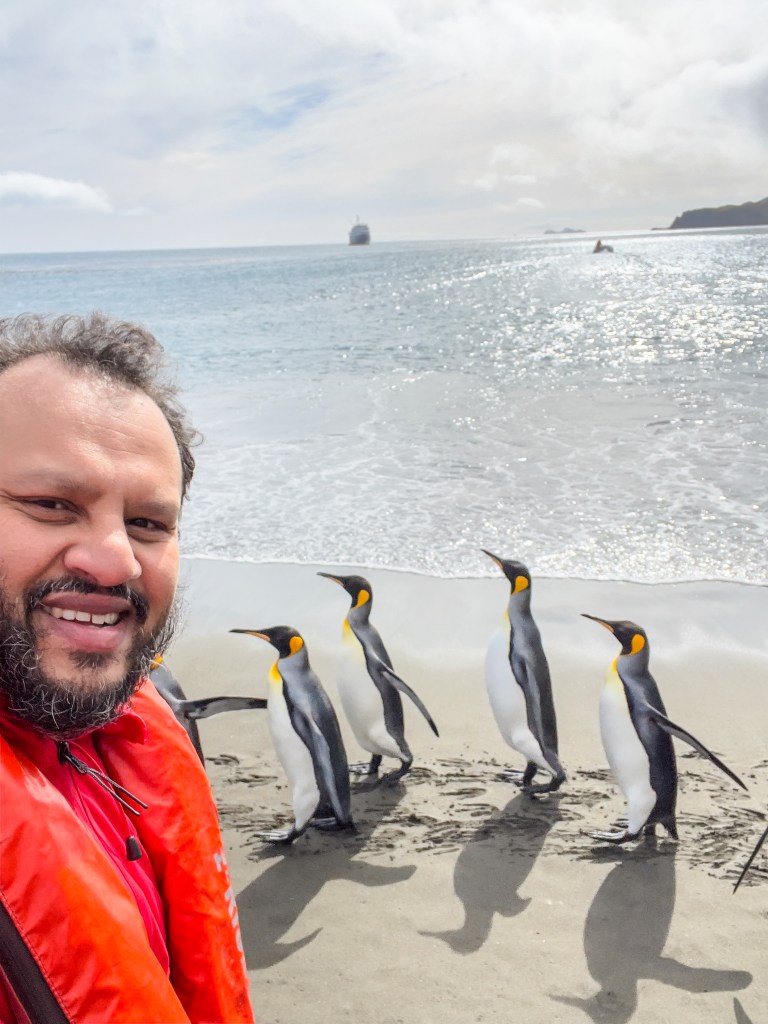
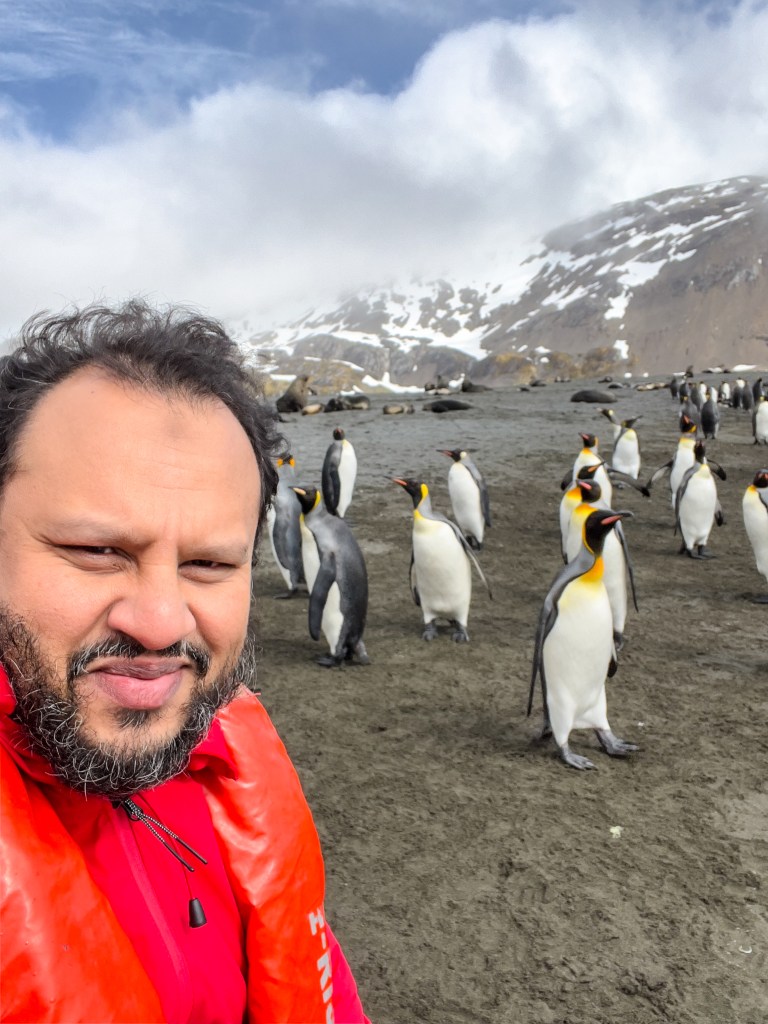

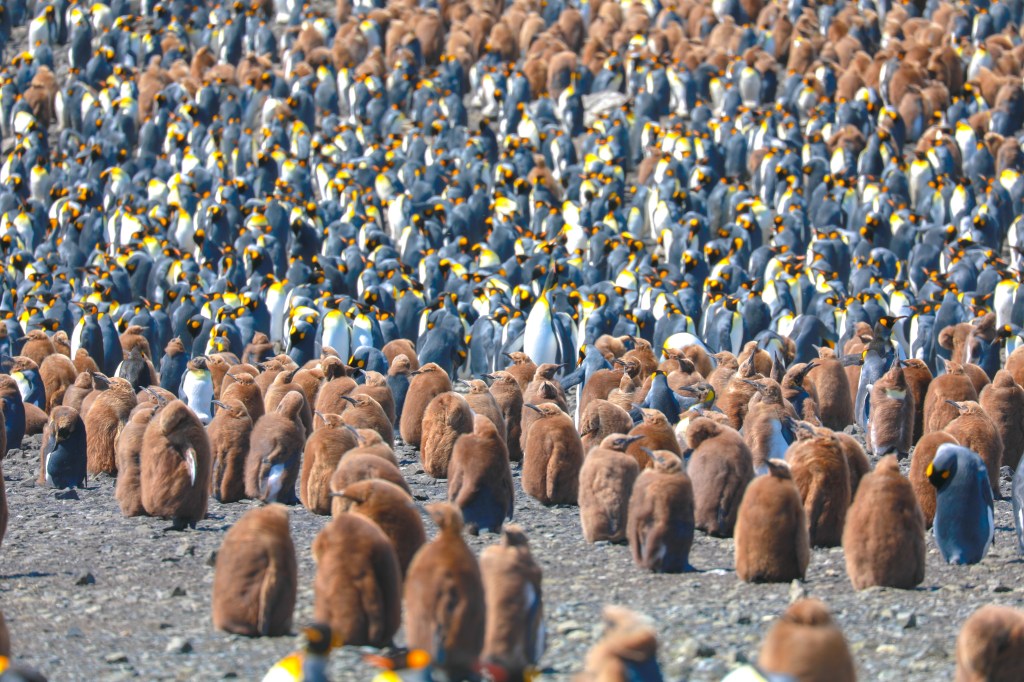
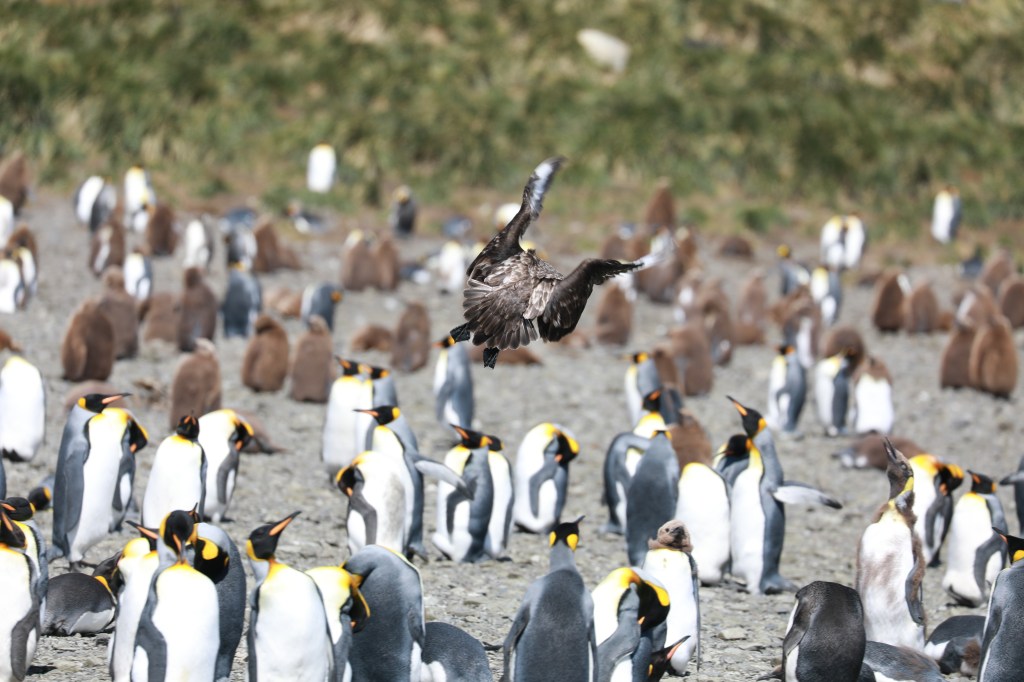


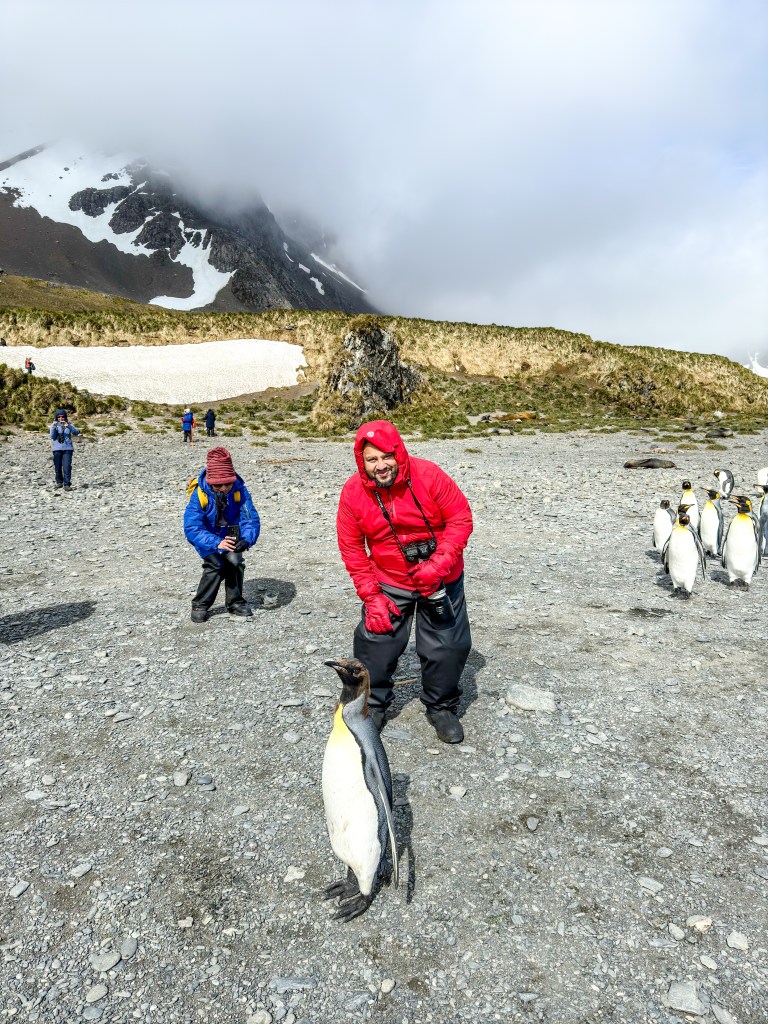

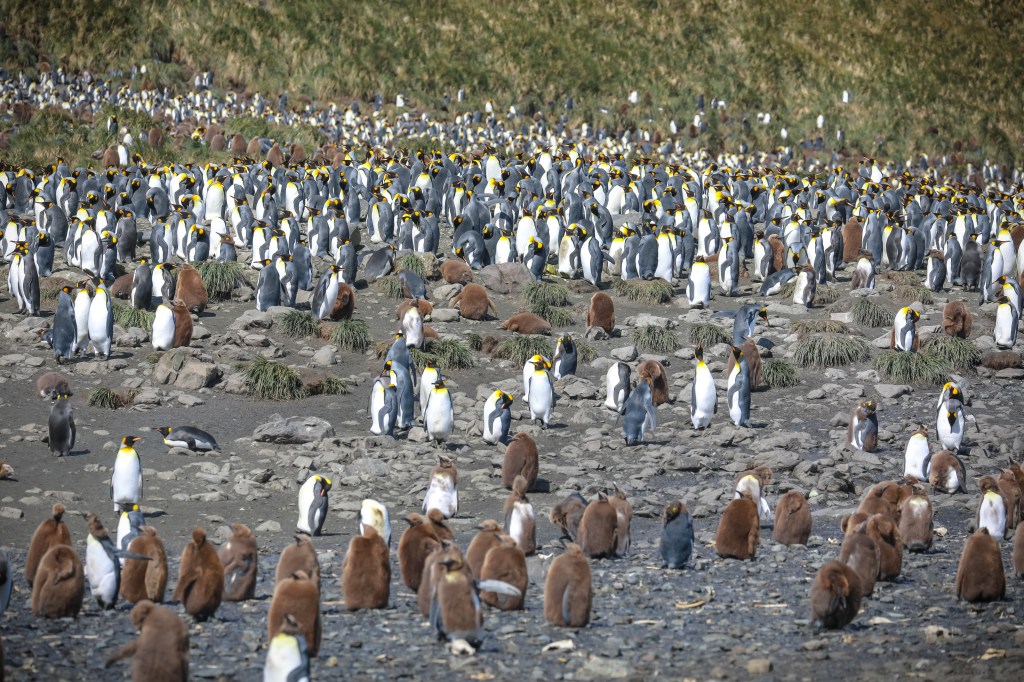


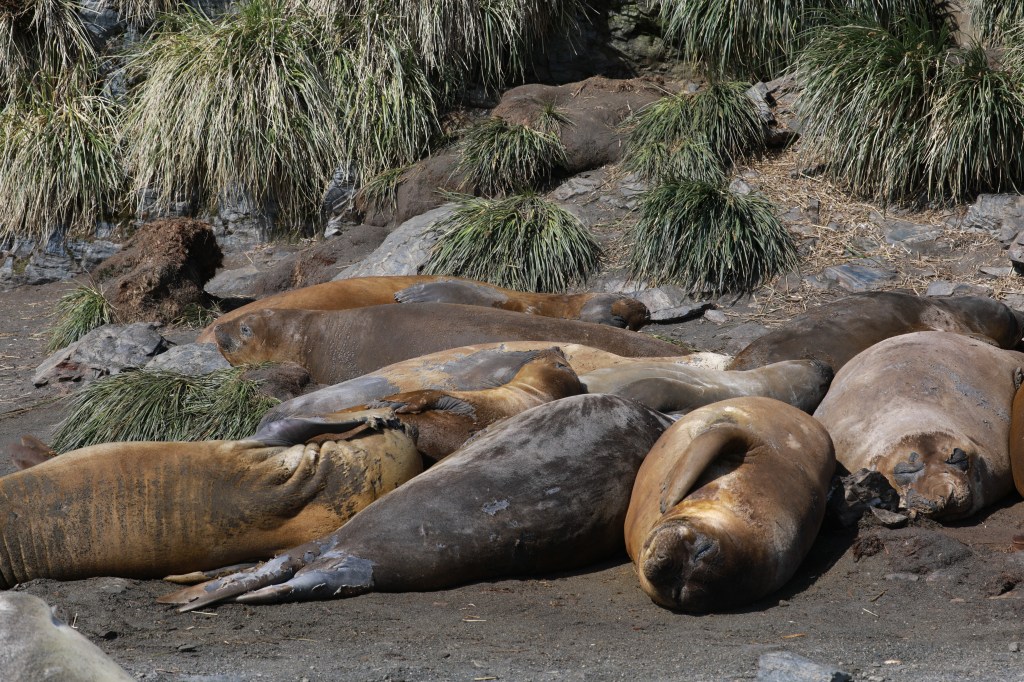

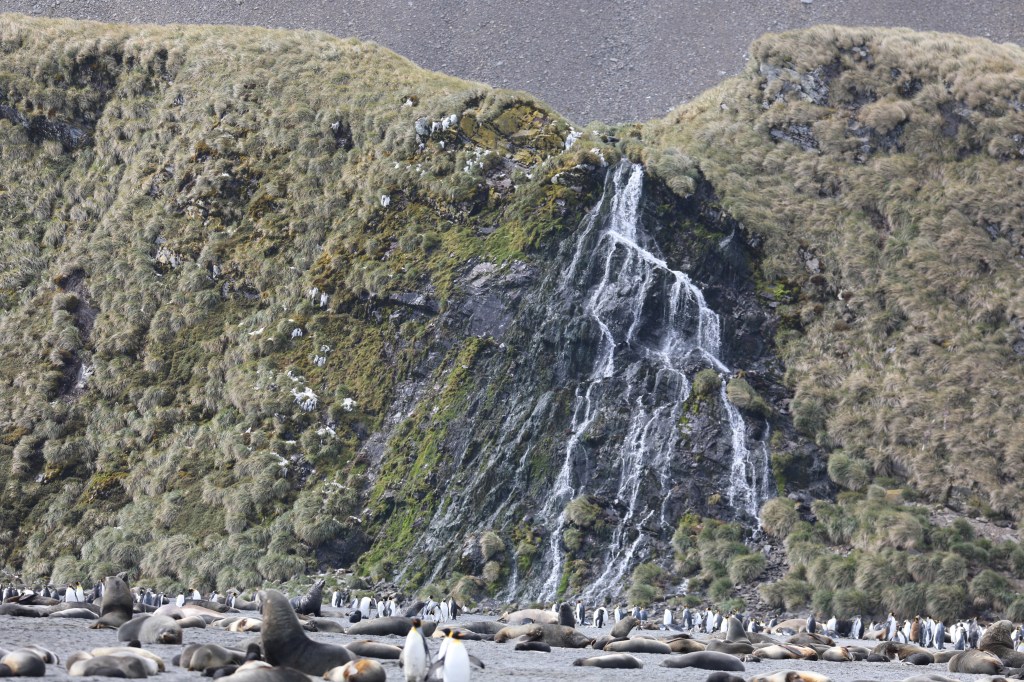
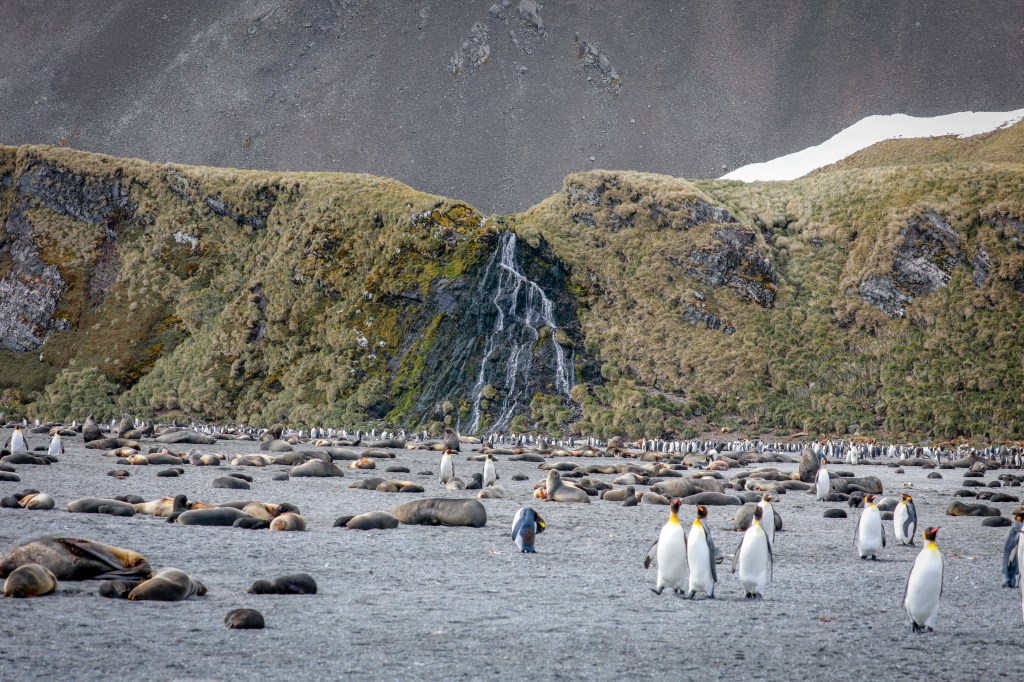
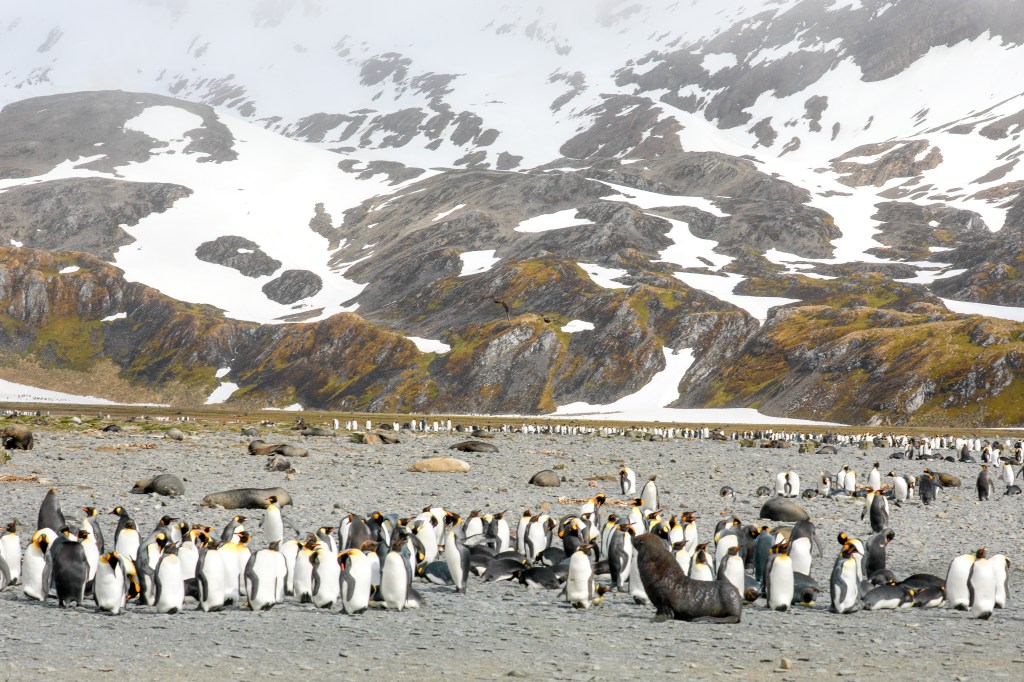


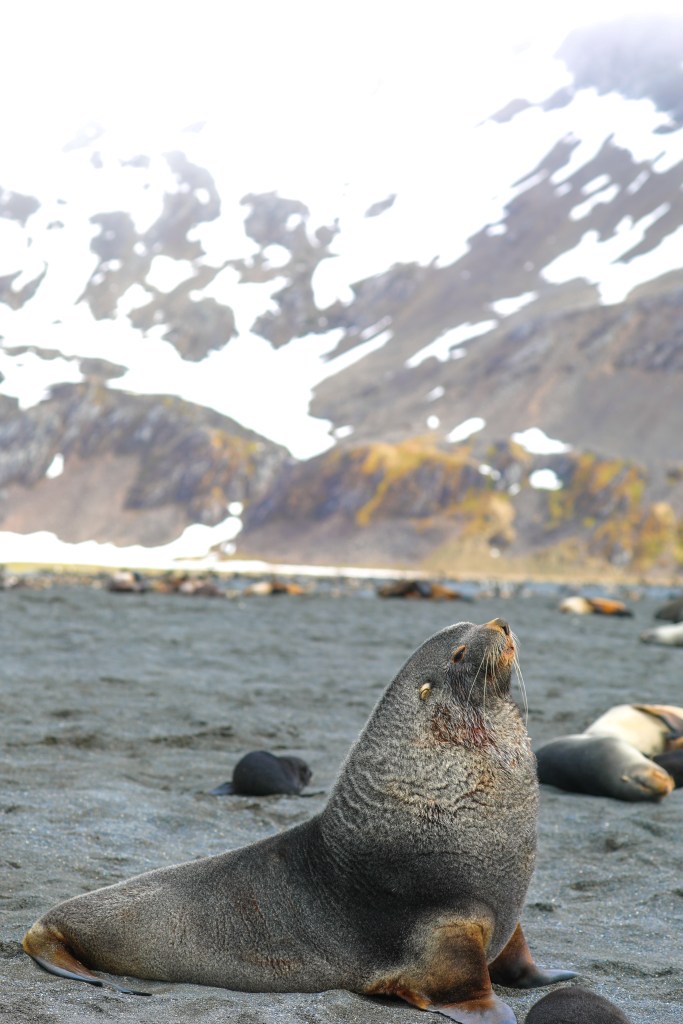
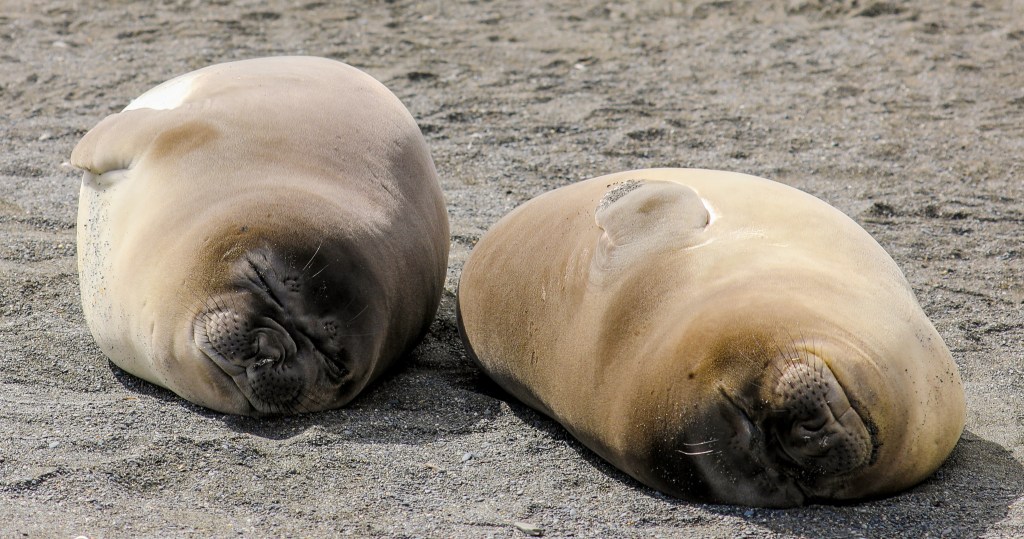
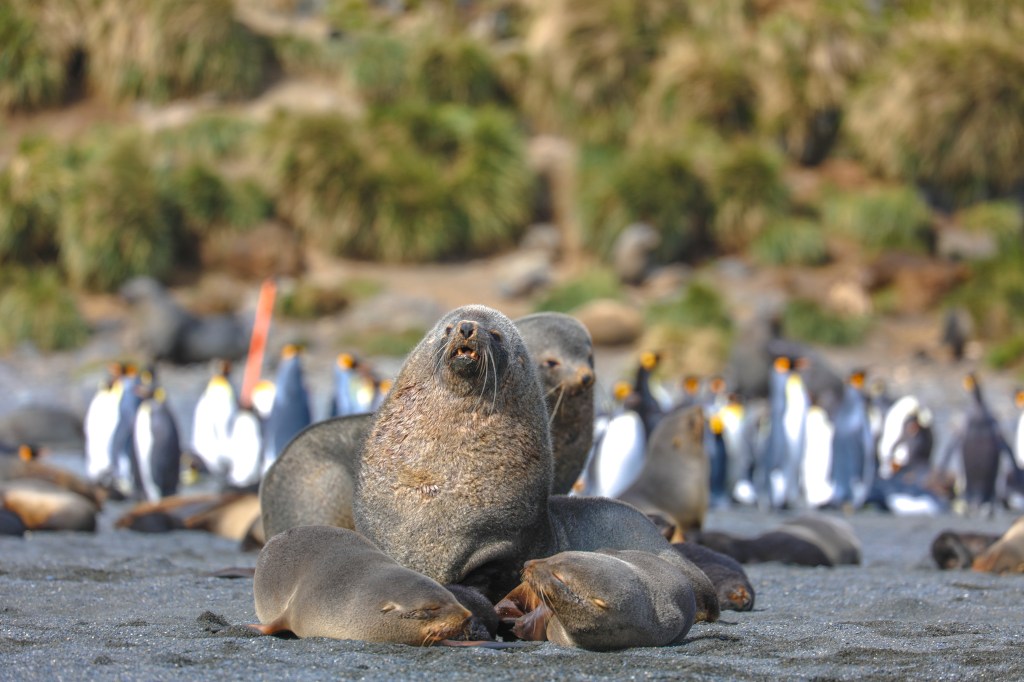
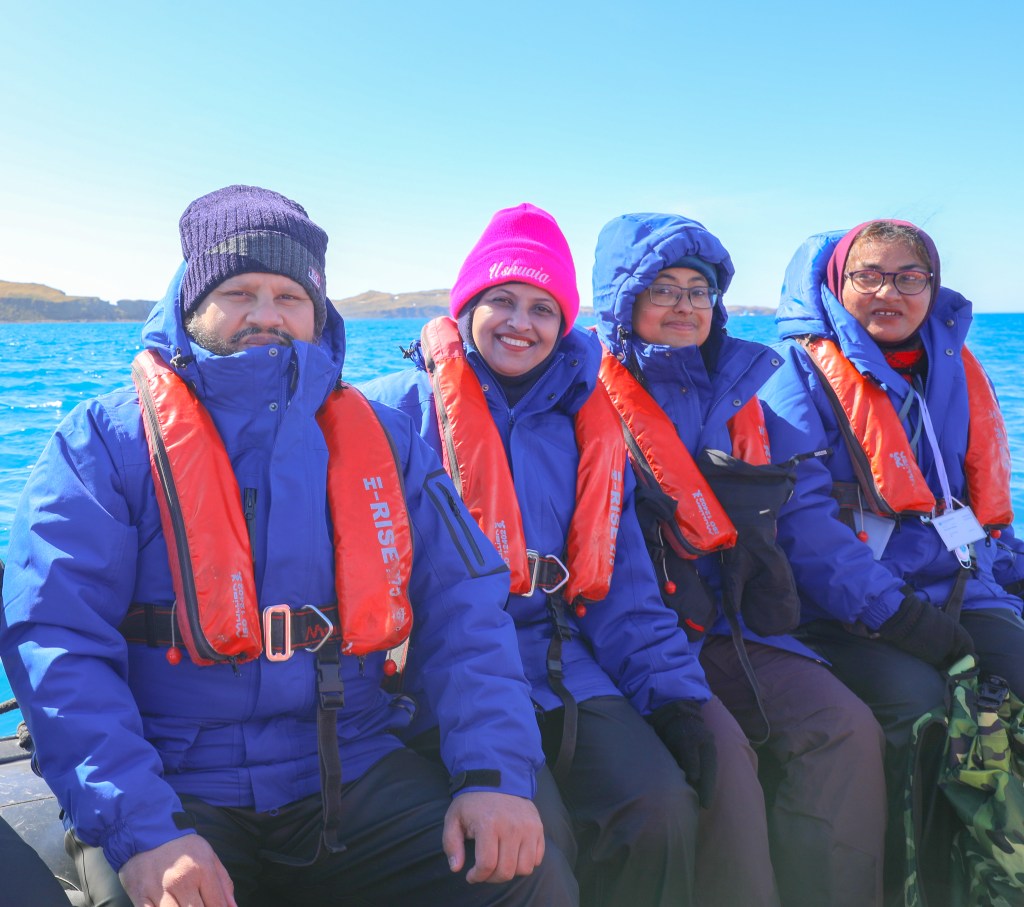
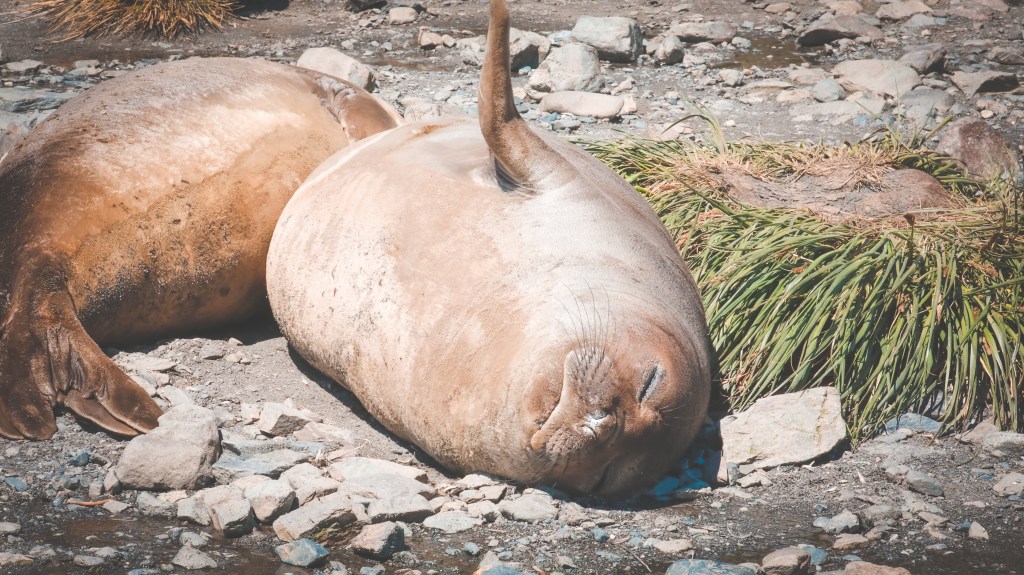

Time flew by and many of us didn’t want to leave this amazing place, but it was time to have lunch and relocate for our next activity.
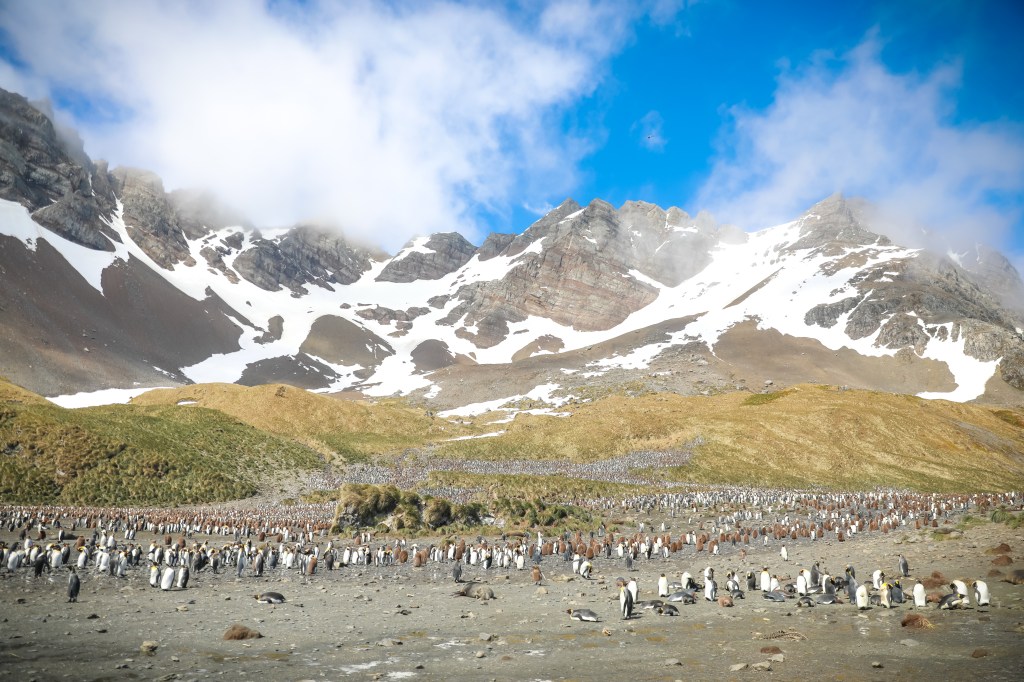
For the afternoon a zodiac cruise at Salisbury Plain was planned. This place is the home of approximately 60,000 breeding pairs of King Penguins and it showed. From afar we could see the densely populated plains and with the sun still shining abundantly the landscapes looked surreal and we couldn’t wait to board the zodiacs to have a closer look.
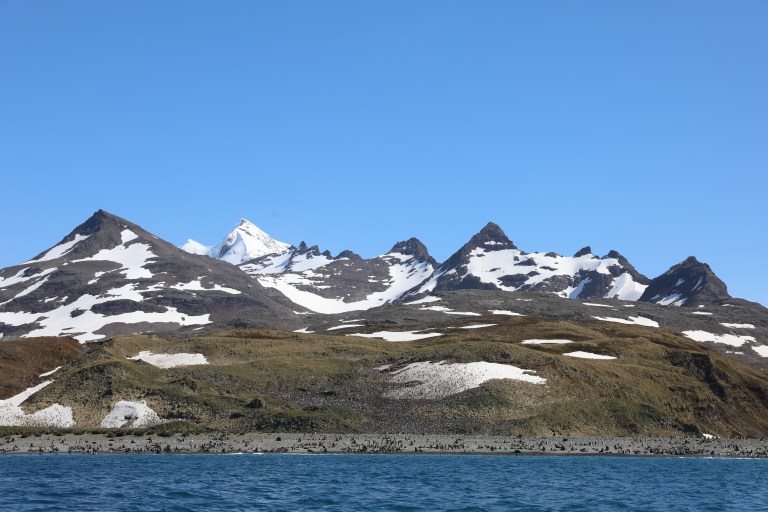

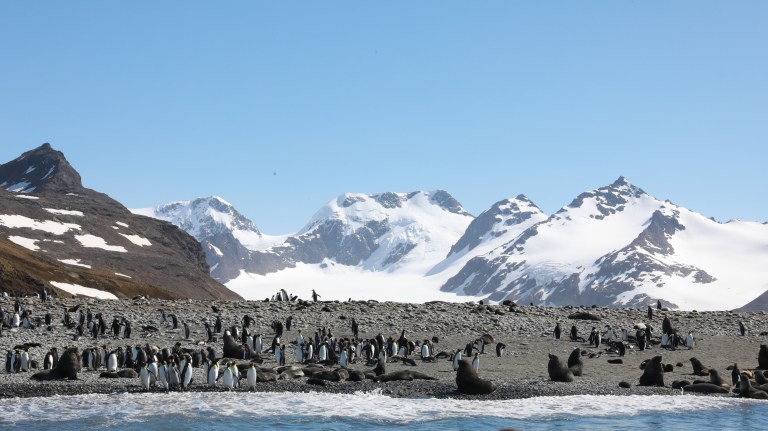

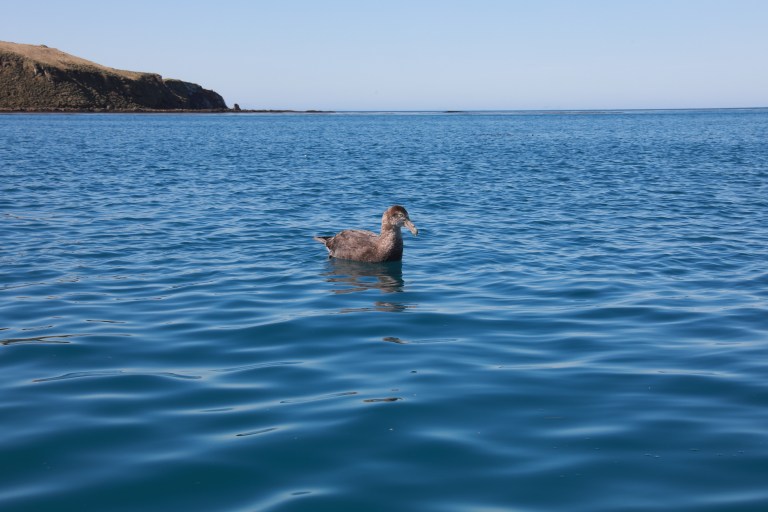
We cruised along the shoreline while enjoying the stretched plains, the wild animals and the stunning snowy mountain backdrops. A bit further ahead we entered a little sheltered lagune where the guides parked the zodiacs on the beach for a close look at the King Penguins gathered there.
With the sun being lower on the horizon, the light got a bit softer and we all clicked away not getting enough of this fantastic wildlife.
We had worked up quite appetite so after recap we enjoyed a delicious dinner. Afterwards we enjoyed the evening sceneries from the decks, we looked at our photos or we decided to go to sleep. It had been a wonderful day.
Day 8 – Friday 13th December-2024, Husvik and Grytviken
As far as Friday 13th go we have seen worse. We woke up to stunning sunshine as we sailed our way in Husvik harbour. The Scenery was simply breathtaking, the aggressive mountains gave way to lush plains teaming with a healthy population of seals and penguins. The rundown whaling station with its many buildings contrasted with its vibrant ocre color resonating the tragedies that occurred within this bay where thousands upon thousands of whales were processed during the whaling era of South Georgia.
As we ate our breakfast our expedition team assessed the conditions on land. The Katabatic winds were fierse this day. Katabatic are violent gusts of wind surging from the icy polateau of south Georgia when it’s cold air meats the warmer ocean air creating pressure and intense winds. Landing wasn’t an option so we decided to take our zodiacs out for a cruise around the harbour and brave the strong winds.
Husvik offered close interaction with it’s fur seal population and many rivers, creaks and beaches.

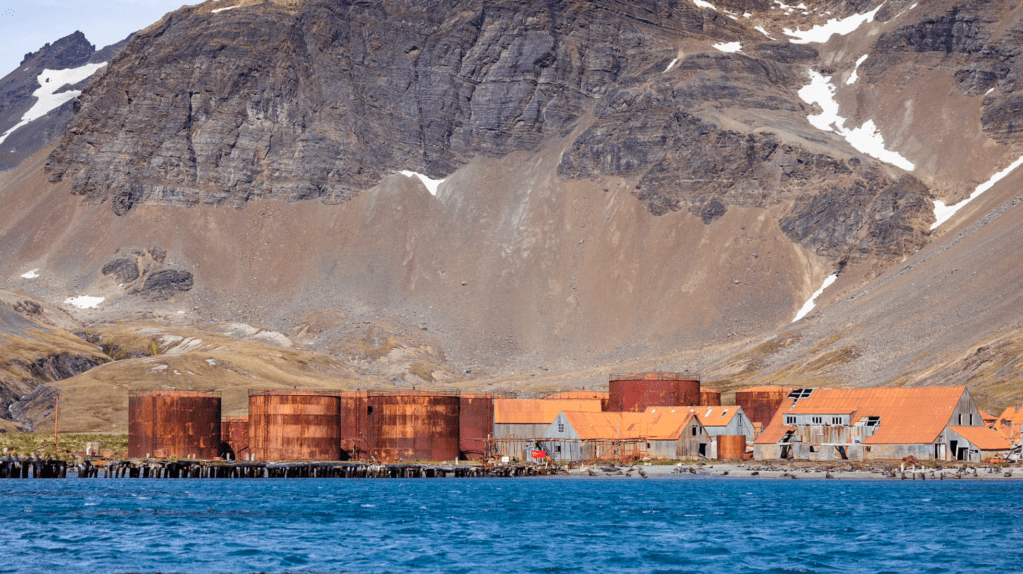
In the afternoon we made our way to the most famous and oldest whaling station, Grytviken. Created in 1904 by Norwegian Explorer and sailor Carl Anton Larsen it was in operation until the 1960’. In Grytviken bay lies the only human settlement at King Edward Point, a handful of scientists, builders, engineers in charge of running the instalations along with the museum and post office.


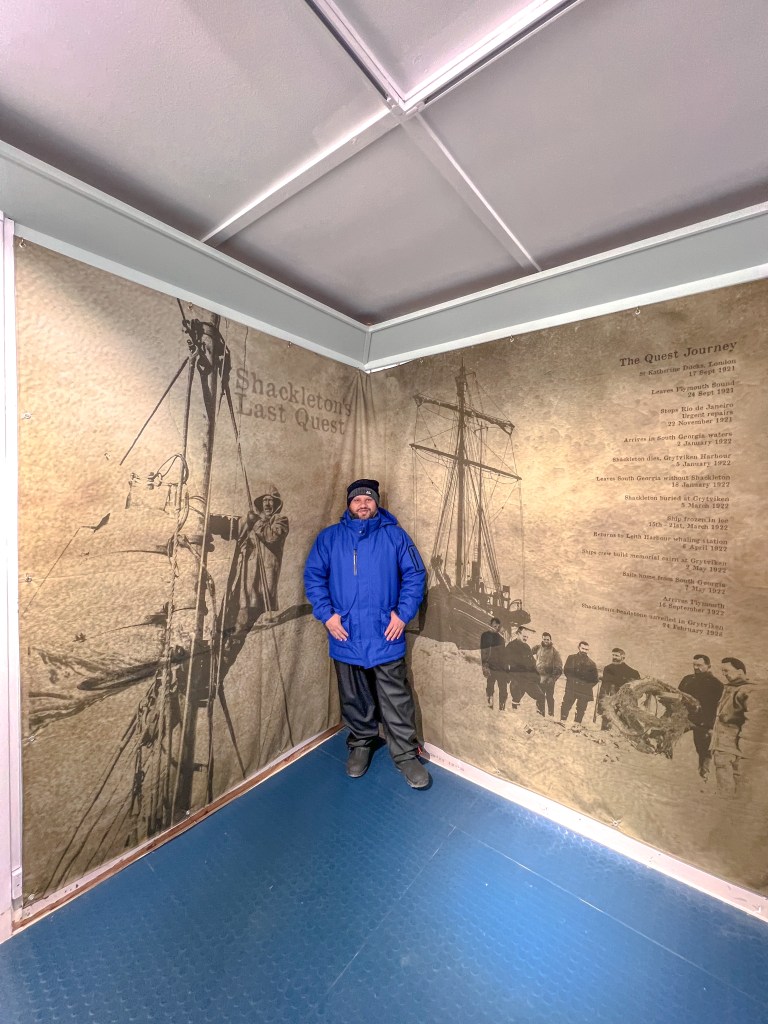
Upon landing at Grytviken we were guided in the direction of the cemetery where lies the one and only Boss, Sir Ernest Shackleton, the legendary Irishman who died of a heart attack in his bed on his ship as it lay in the bay upon which he now looks over.

After a quick toast with the boss and his right hand man Frank Wid who lied next to him, we made our way through the fur seals into the heart of the whaling station. The path brought us through the slaughtering quai where the giant whales were pulled onto land and cut to pieces.


Further on was the beautiful Norwegian church bult in 1913 where Shackleton’s funeral was held in 1922. We ran the bells for good luck and left a work for the fallen sea farers that came here before us.
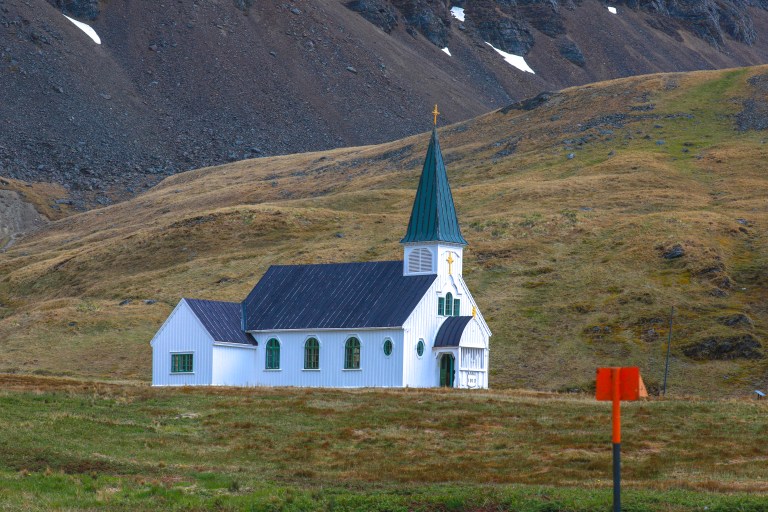
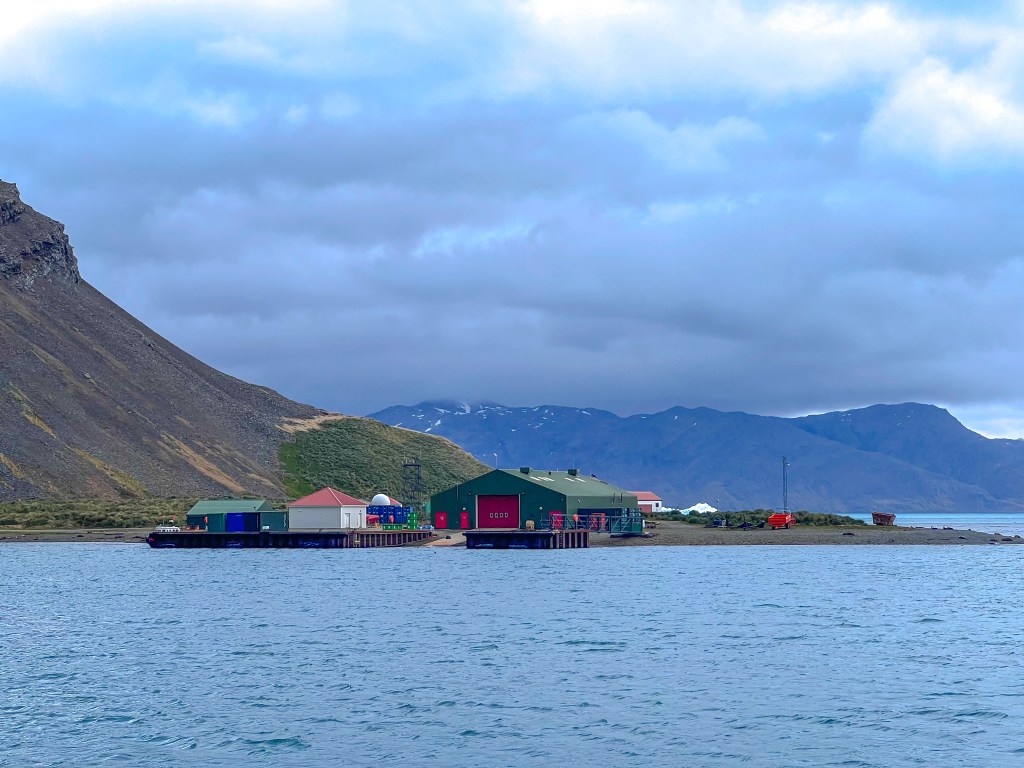
Our visit was a real pleasure, even if we were forced to leave early due to the fierce weather reaching now with winds that would blow one off his feet. We regained the safety of Plancius and carried on our way.
Day 9 – Saturday 14th December-2024, St. Andrews Bay and Godthul
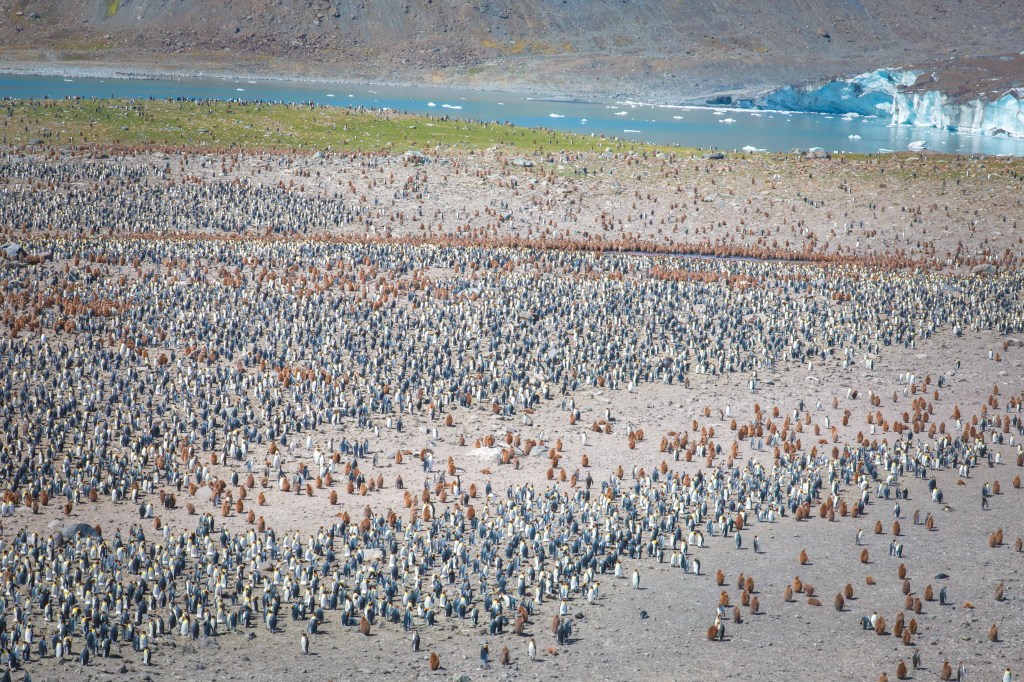
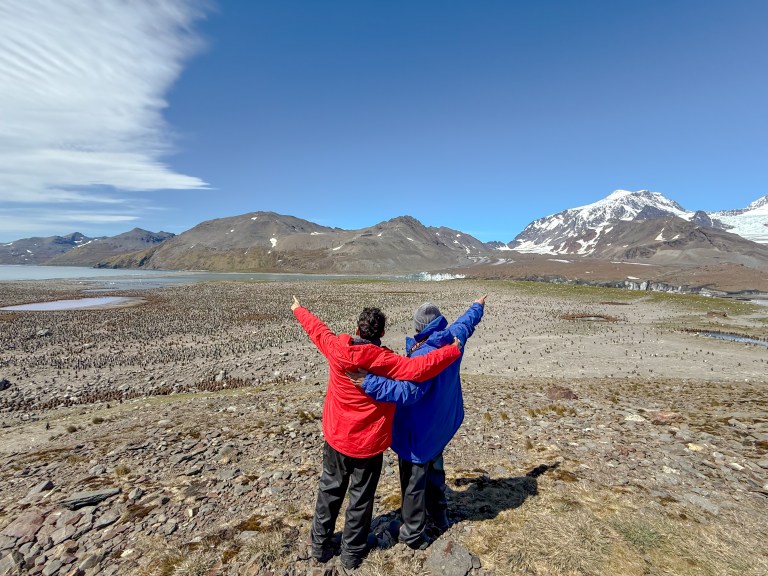
This morning, we all woke up to perfect conditions. We had been anchored at St. Andrew since late morning. This beautiful bay is home to the largest king penguin colony in South Georgia, with 250,000 breeding pairs calling this place home.
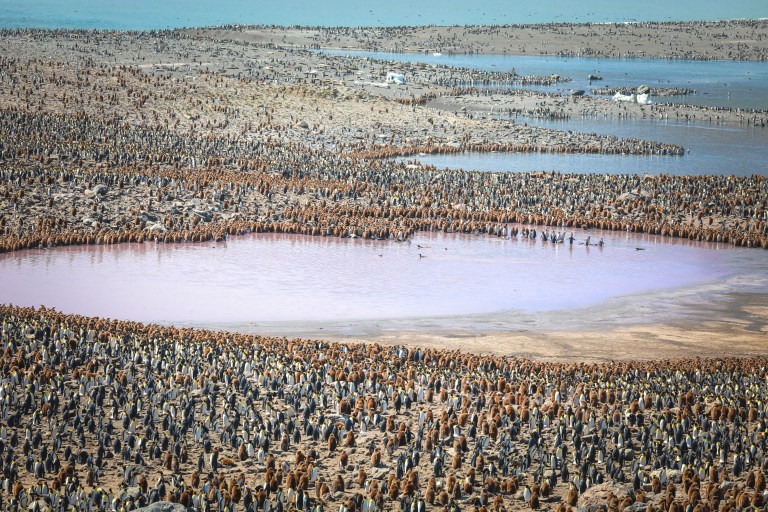
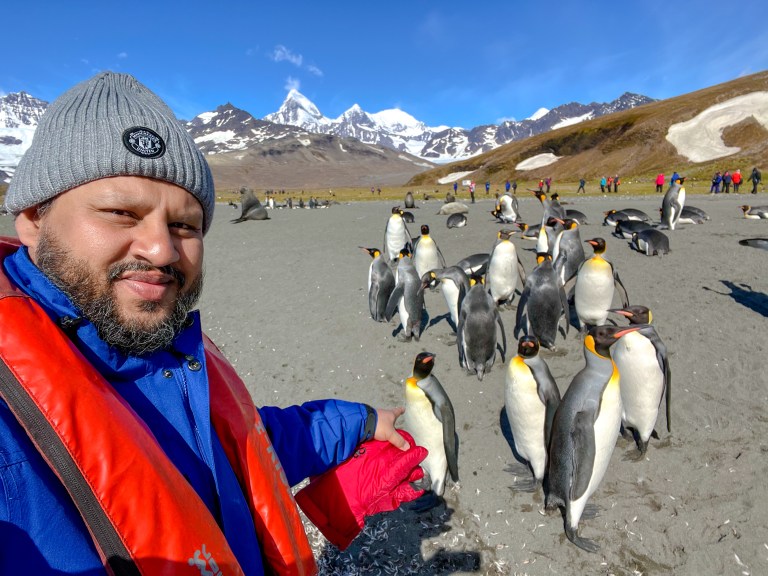
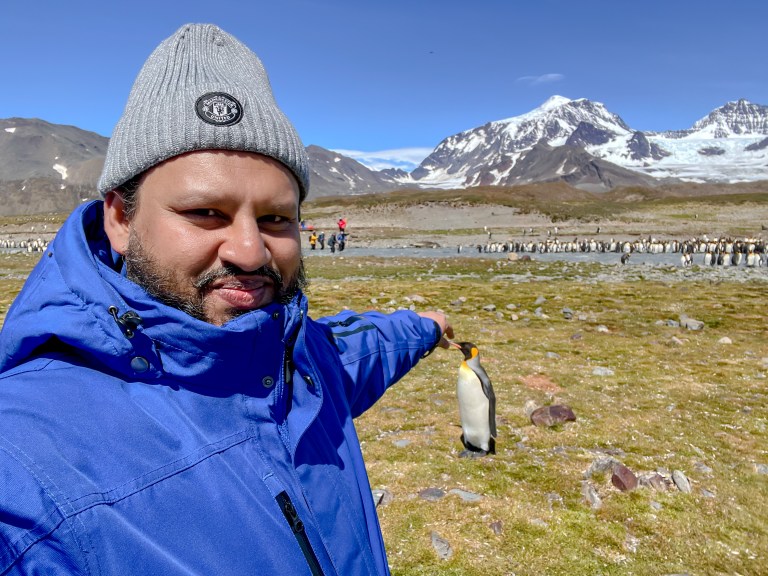
Soon after, the Expedition Team went ashore, and we followed. The boats dropped us off at one end of the beach, and we began our hike toward the colony. There was a bit of adventure involved, as we had to cross two riverbeds. Adam and his team gave us helpful tips on how to navigate them and assisted where needed. Most of us stayed dry. The final stretch was easy and enjoyable, with wildlife all around. Penguins wandered nearby, and the freshwater areas were filled with fluffy chicks and moulting penguins. Among them, we saw some fur seals and elephant seals making interesting noises from every opening of their bodies. How cute!
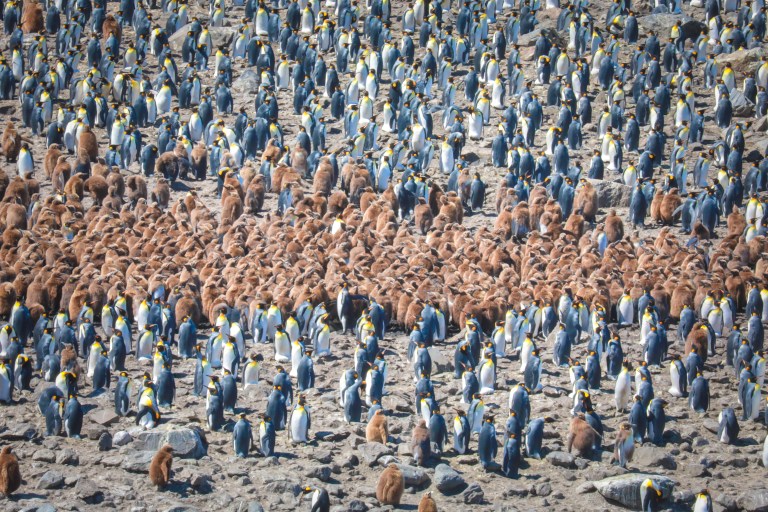
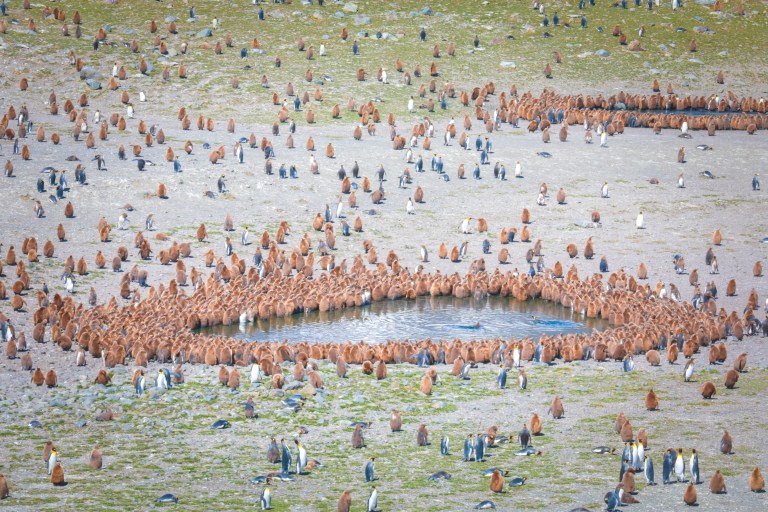
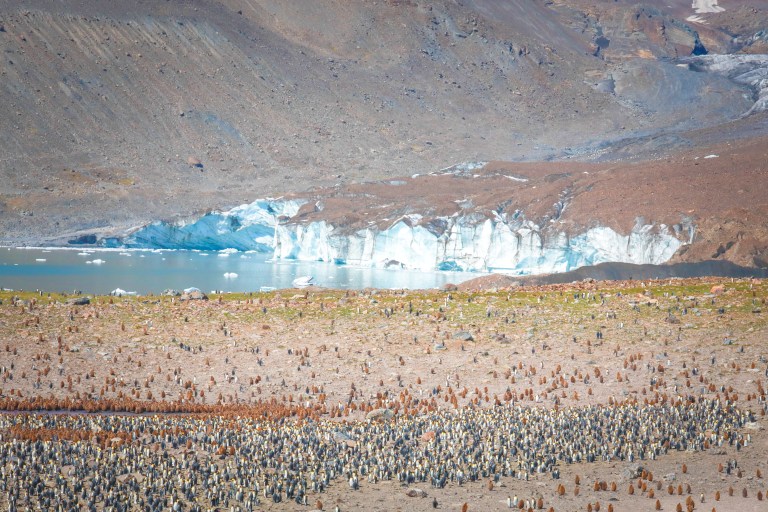

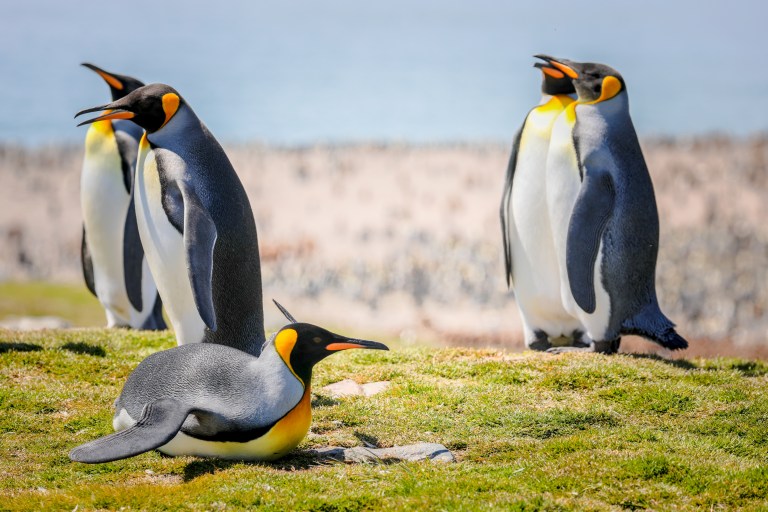


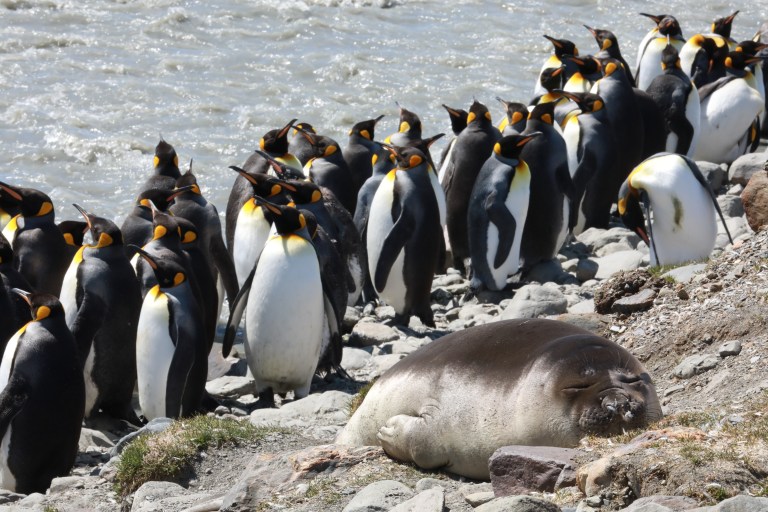
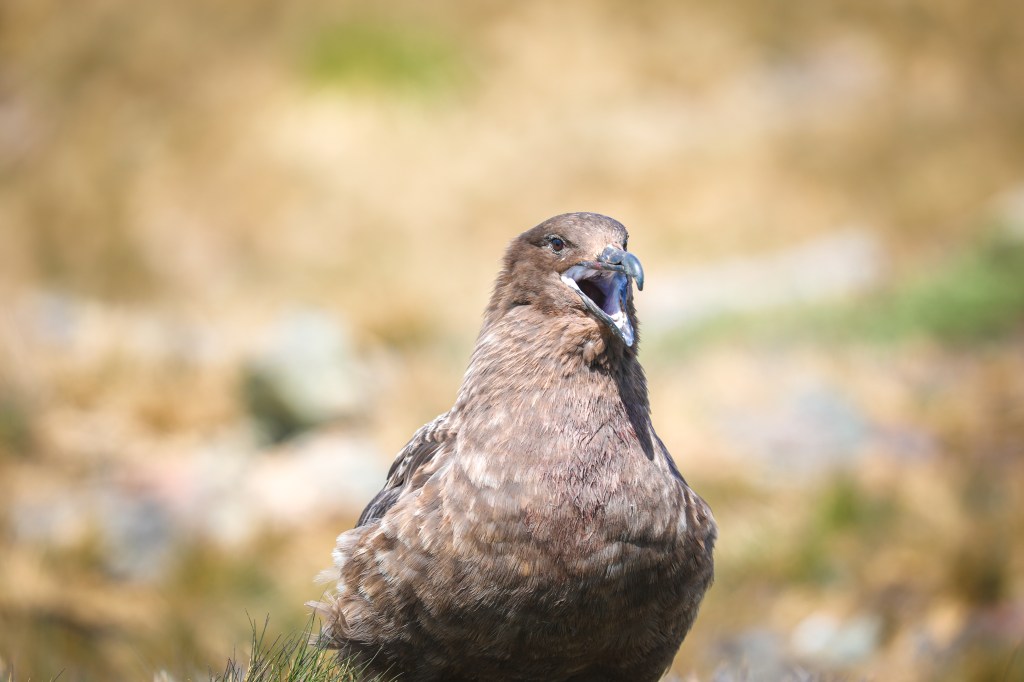
Along the way, some skuas had made their nests, but we received good advice on how to avoid the young skuas and enjoyed watching them start their journey in life. This skua attacked me thinking I was going to take away its chicks. I deviated from our assigned path a bit and didnt see the skua nest among the tussock grass. Ferociously came towards me and as I fell towards the ground, I took the pictures.


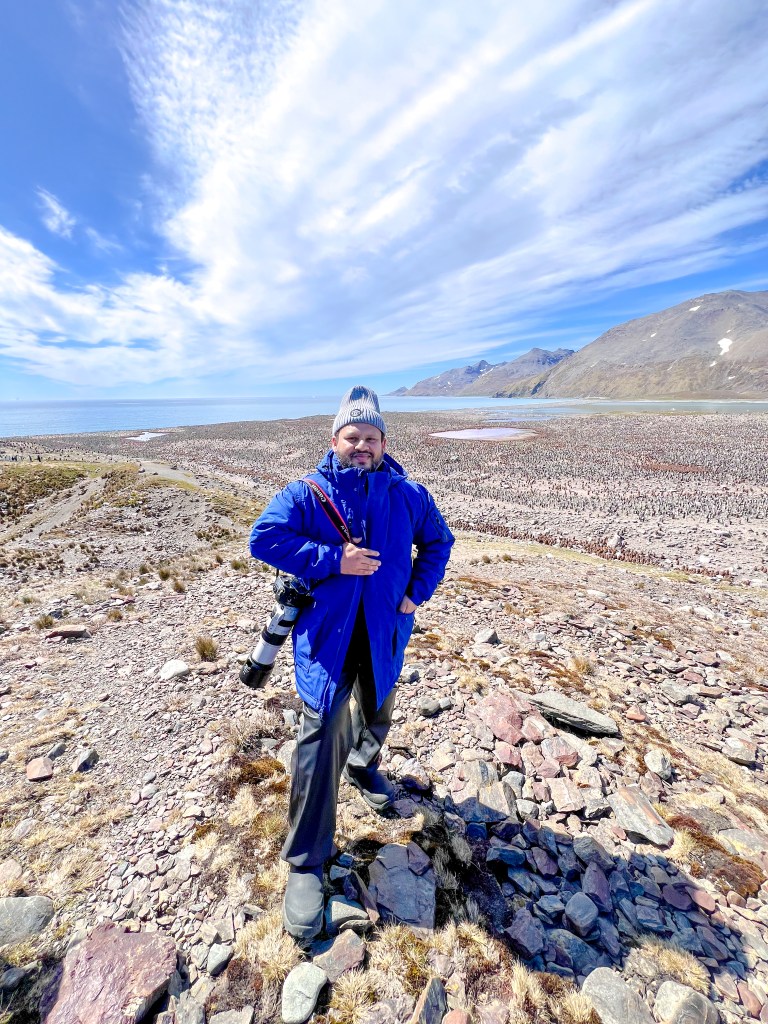
At the end of our short hike, we reached a hill overlooking the colony. The sounds were incredible—chicks whistling while their parents called out to them, and pairs engaging in courtship as they prepared for the new breeding cycle. And yes, we smelled them too, but it wasn’t as bad as we expected. What an experience—absolutely
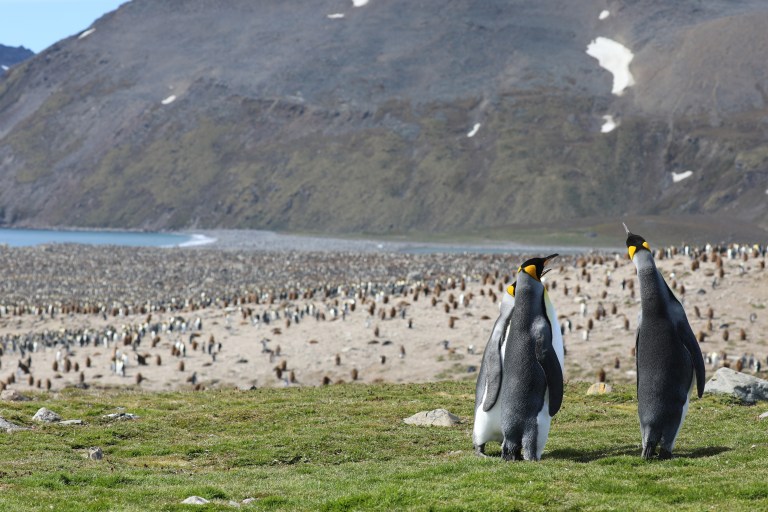
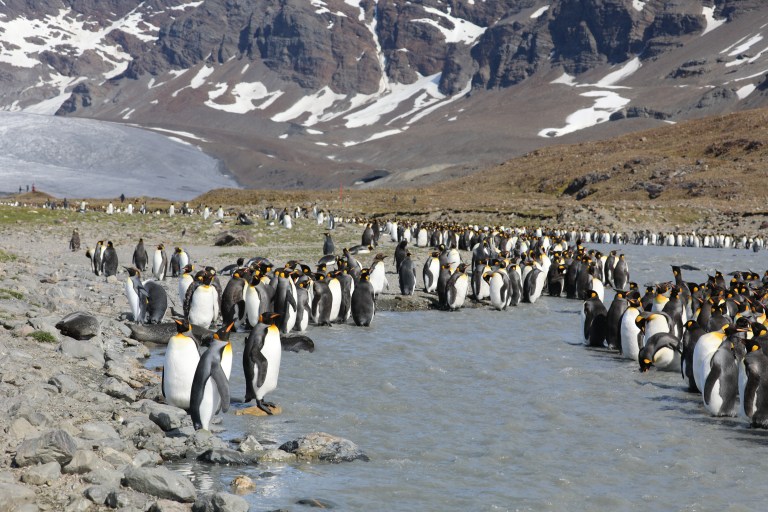
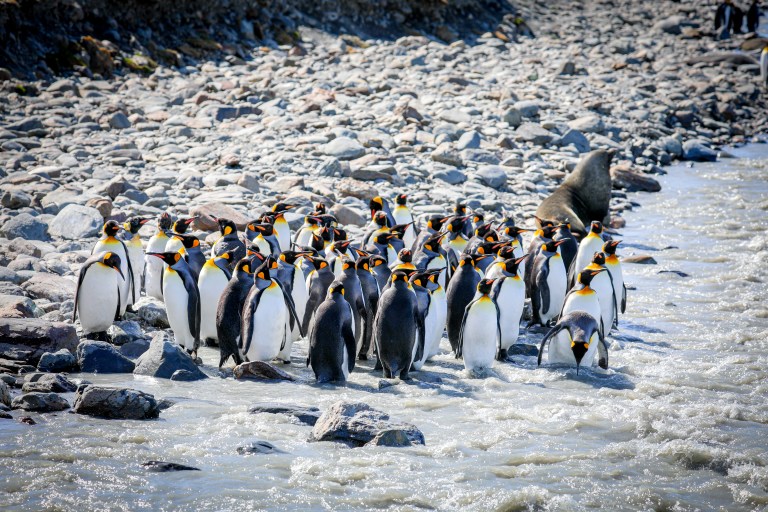
Slowly, we made our way back. The river was rising in the meantime, but it was no problem. Our Expedition Team guided us safely across, and a bit of water in the boots didn’t hurt anyone. What a morning! South Georgia truly doesn’t get any better than this. Some more pictures from Saint Andrew’s Bay.
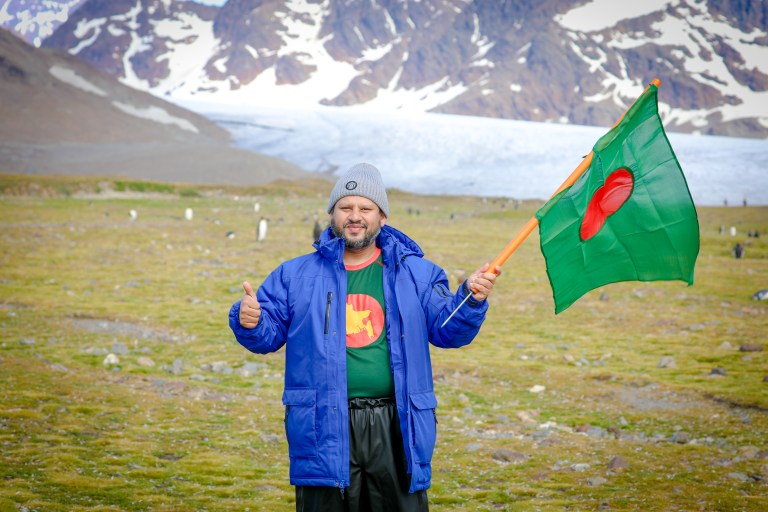

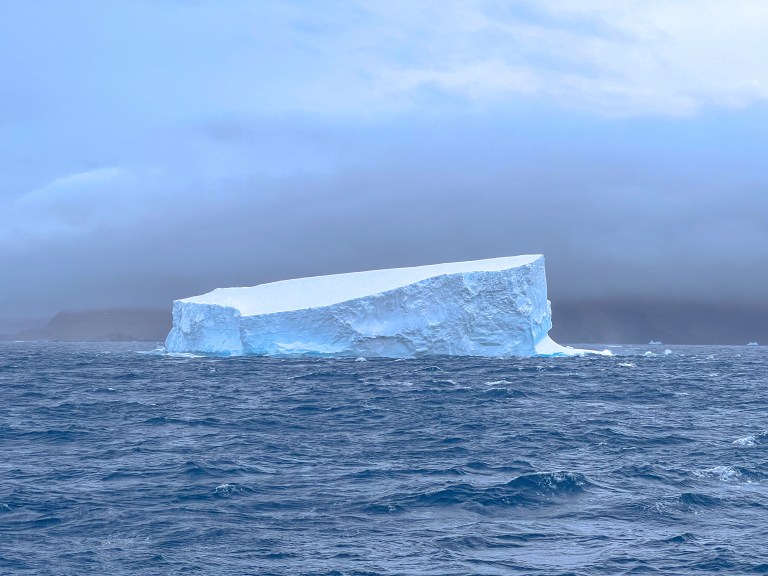
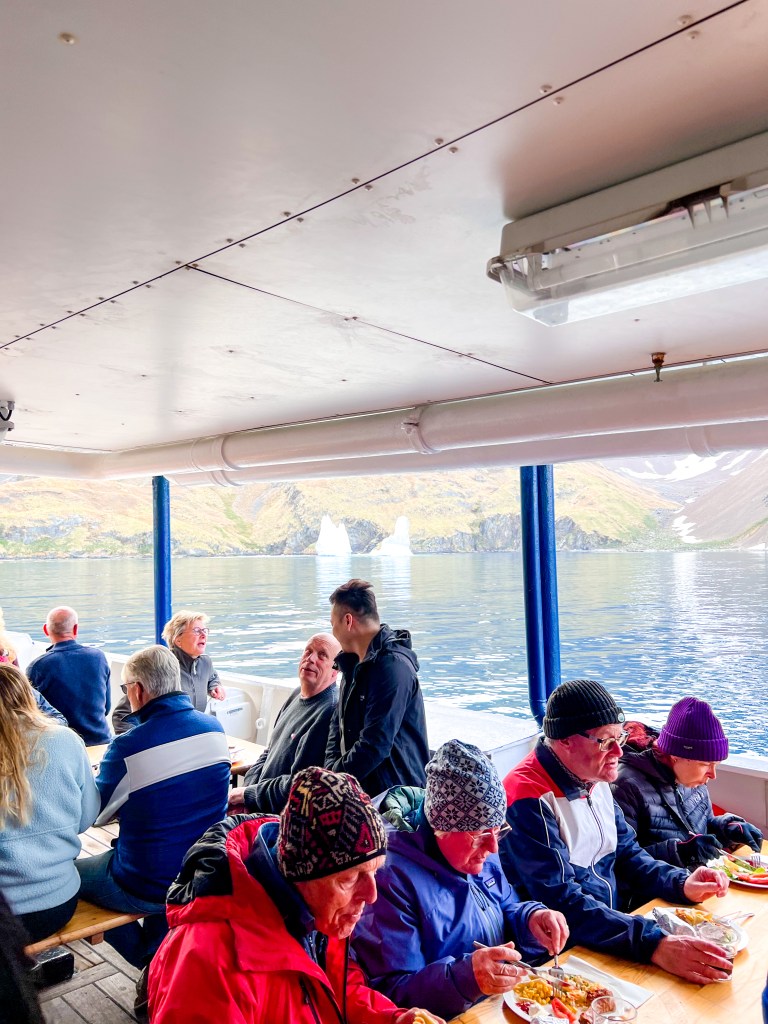
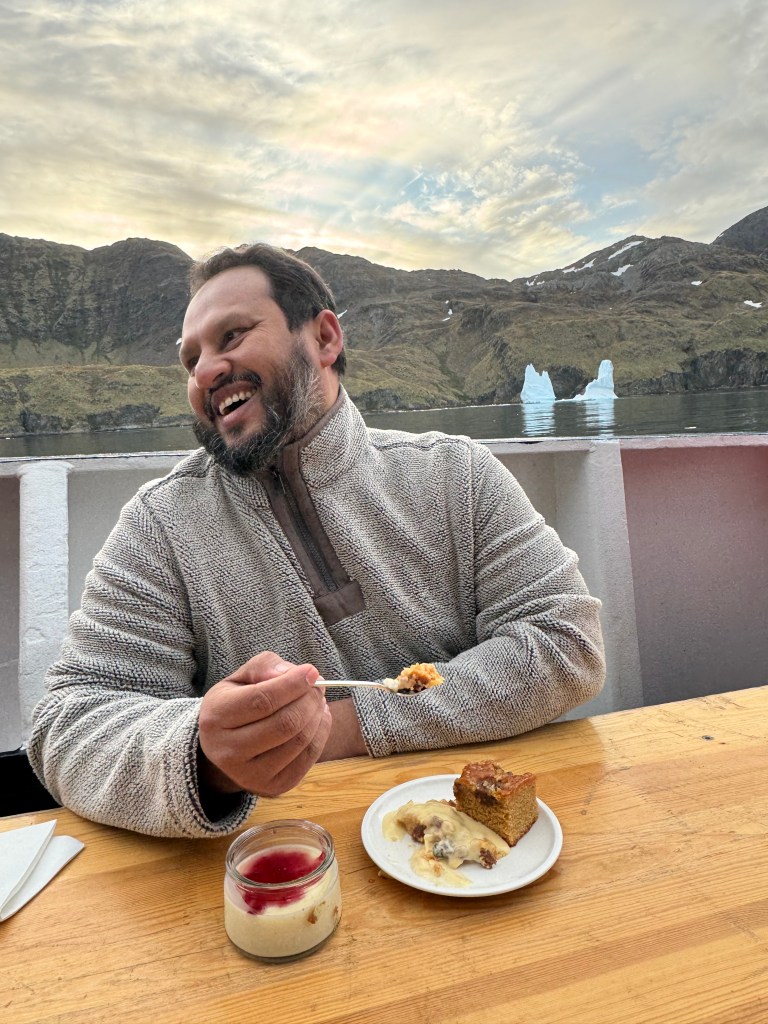
But the day wasn’t over yet. The Hotel Team had prepared a BBQ for us on the outdoor decks. With this incredible scenery, we couldn’t have asked for a better setting. The food was delicious, the mood was lively, and as the tables were cleared, the dance floor opened with DJ Prince. We danced under the setting sun, which dipped behind the mountains, painting the sky with pink hues and casting a soft glow on the blue icebergs.



Day 10 – Sunday 15th December-2024, Gold Harbour and Cooper Bay
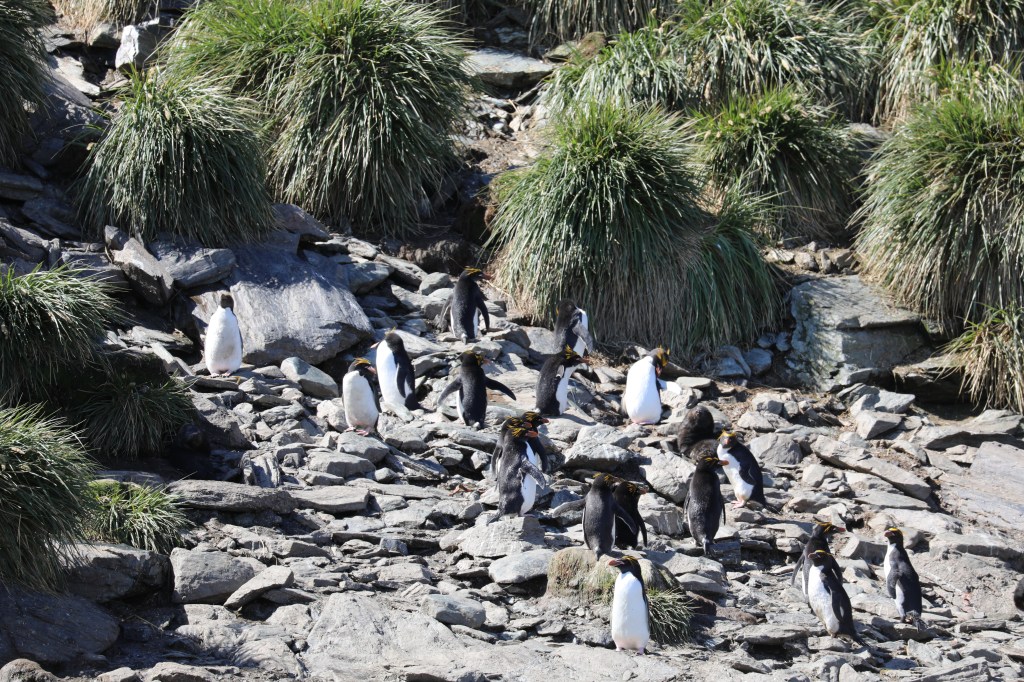
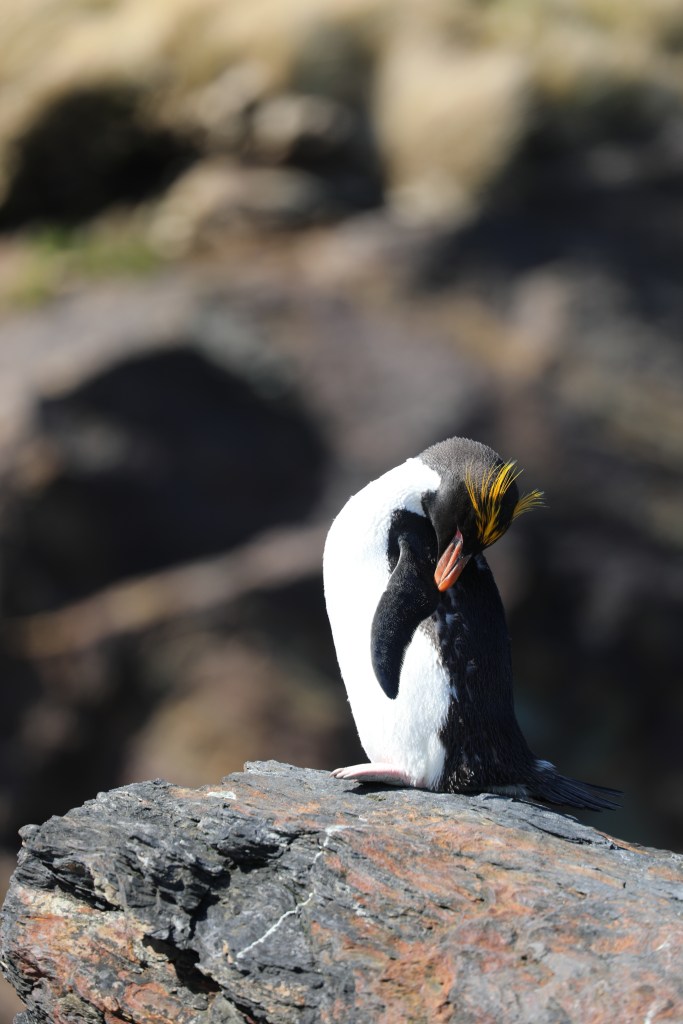
This morning as Plancius approached Gold Harbor, we were met with a beach full of king penguins. The expedition team had quite a challenge finding a safe path through all the wildlife and decided to split our landing into two groups to give the wildlife their space. The first group came ashore, and the gray skies began to clear to blue while we were enjoying the beach and glacial stream full of molting penguins and elephant seals. A few gentoo penguins were seen on the beach and weaving their way through the king penguins on their way to their colony in the tussock grass near the glacier.





As the evening drew to a close, we said goodbye to South Georgia and steamed onward to the Scotia Sea on our way to the Antarctic continent.

 Tulan Hayat
Leave a comment