
Antalya is an autonomous and the 5th most populous city in Turkey. The city is located on the Mediterranean coast, south of Turkey and is a popular tourist destination, dubbed the “Tourism Capital of Turkey”, attracting around 30% of international visitors to the country. So, is Antalya worth visiting, what to do in Antalya and how to plan a perfect trip to Antalya for the first-time with kids? We had a 6 year old son and a one year old daughter hence it was challenging to visit all the places. Let’s check out our Antalya travel blog (Antalya blog) with the fullest Antalya travel guide (Antalya city guide, Antalya guide, Antalya tourist guide) from how to get to Antalya, best time to come, where to stay, best places to visit, what to eat and top things to do in Antalya.

Antalya was established around 150 – 135 BC, founded by King Attalus II of the Pergamon empire under the name Attaleia. After its establishment, the city has always been densely populated and under great influence and influence from the culture, history and economy of the Roman empire, the Roman Emperor – Hadrian once left his trace Antalya by the triumphal arch bearing his own name (Hadrian’s Gate), which was renovated and became the entrance to Kaleiçi old town. In addition to Rome, Antalya was also influenced by Byzantine, Seljuk, Ottoman empires, as well as modern day of Turkey.
The Best Time To Visit Antalya
As a city in the Mediterranean, Antalya has hot, dry summers and mild, wet winters.
Summer
The hottest months are June to September where the temperatures sit in the early 30s (Celsius). This is also peak season for Antalya where the prices are at their highest and popular locations at their busiest.
Winter
The colder months are from November to March where the average temperature sits in the mid-teens. (Celsius) January is the coldest and wettest month. This precipitation will fall as snow in the surrounding mountains, so if you want to travel to Antalya and experience winter sports, January is the best month to visit.
Spring & Fall
The best months to avoid the hot temperatures and busy crowds are in spring, from mid-March to June and in fall from mid-September to December. The sea heats up all summer, so the warmest waters for swimming are from August to October.
How to get to Antalya? by Plane
You can get to Antalya by some means of transport such as by air, by train, bus, self-driving car or even by boat. We went from Nevsehir Kapadokya Airport by Turkish Airlines flight from Cappadocia to Istanbul first and then from Istanbul to Antalya. Both flights were about one hour with a transit time of about two hours in Istanbul.
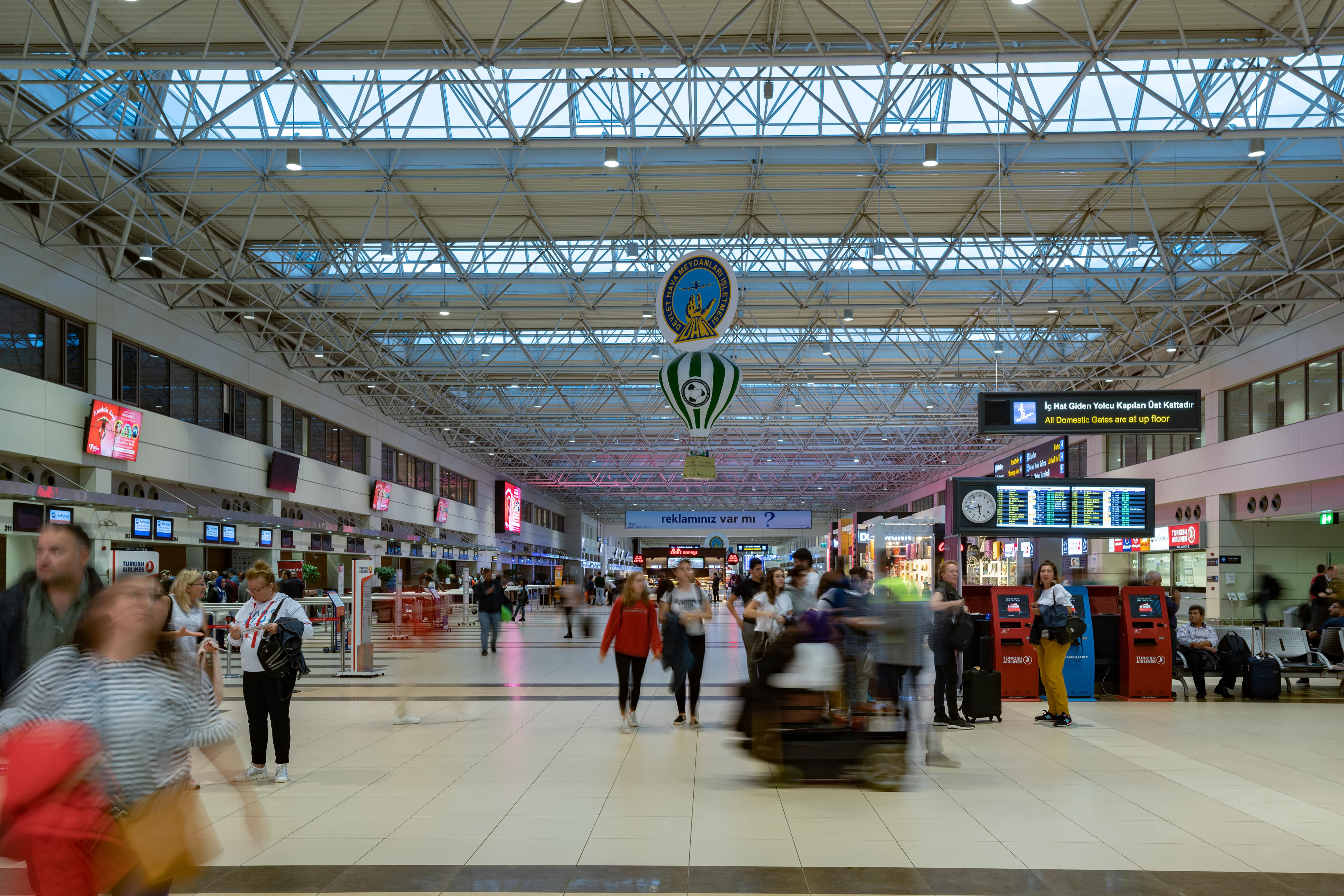
International Antalya Airport is about 14 km from the city center, and you can traveling to the center by Havas airport shuttle bus numbers 600 or 800 but they are not really suitable for passengers with bulky luggage or taxi. You can take flights of Turkish domestic airline Onur Airlines to reach Antalya from all big cities of Turkey and also other international destinations. Some other airlines such as Turkish Airlines, Thomas Cook, The Sun Express, or Condor… also offer cheap flights from and to Europe (UK, Austria, Germany, Switzerland or Italy).
To find the best suitable routes as well as cheap tickets you can hit Google Flights, Skyscanner, or Kayak to find.
Bus
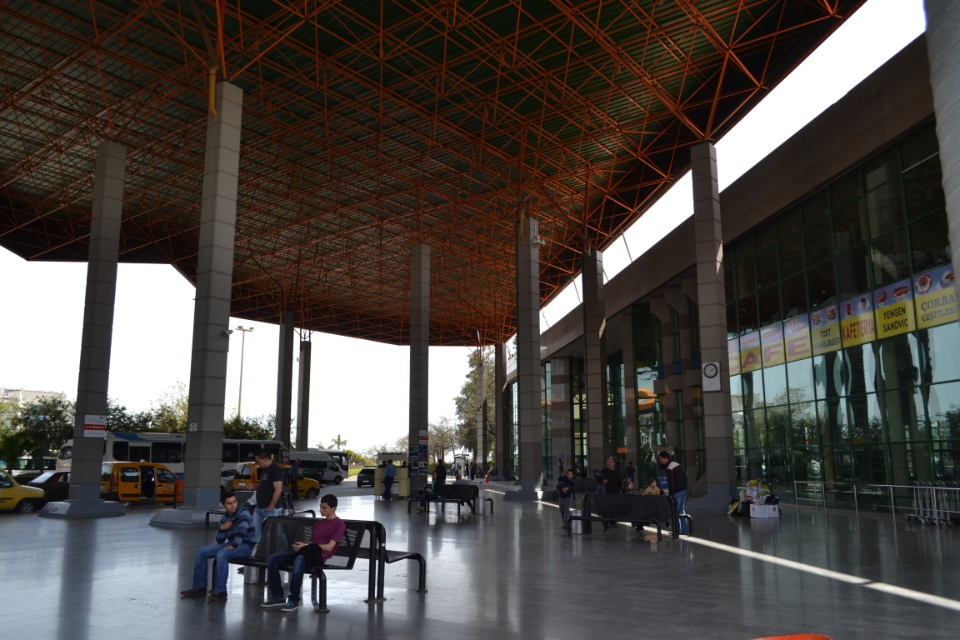
Anatlya is quite easy to reach by bus from everywhere across Turkey. The routes of E87, D400, D650 with the final destination is Antalya Bus Station.
From Istanbul bus stations Esenler Otogar, and Alibeyköy Otogar, you can easy take a bus to Antalya. The traveling time is around 11 or 13 hours. Some bus firms operating routes such as Pamukkale Turizm, Metro Turizm, and Isparta Petrol Turizm.
The Best Things To Do In Antalya
- Relax on a beach
Situated on the Turquoise Coast, Antalya is home to many beautiful beaches where you can relax and soak up the sun. One popular option is Lara Beach, known for its fine sand and crystal-clear waters.
You can also visit Konyaalti Beach, a Blue Flag beach with a long promenade where you can enjoy a variety of water sports. At the end of this 13km you can take the Tunektepe Teleferik cable car for views over the city.
The best way to reach the beach is by taking the tram from the old town to the Antalya Archaeological Museum, and walking the short distance from there.

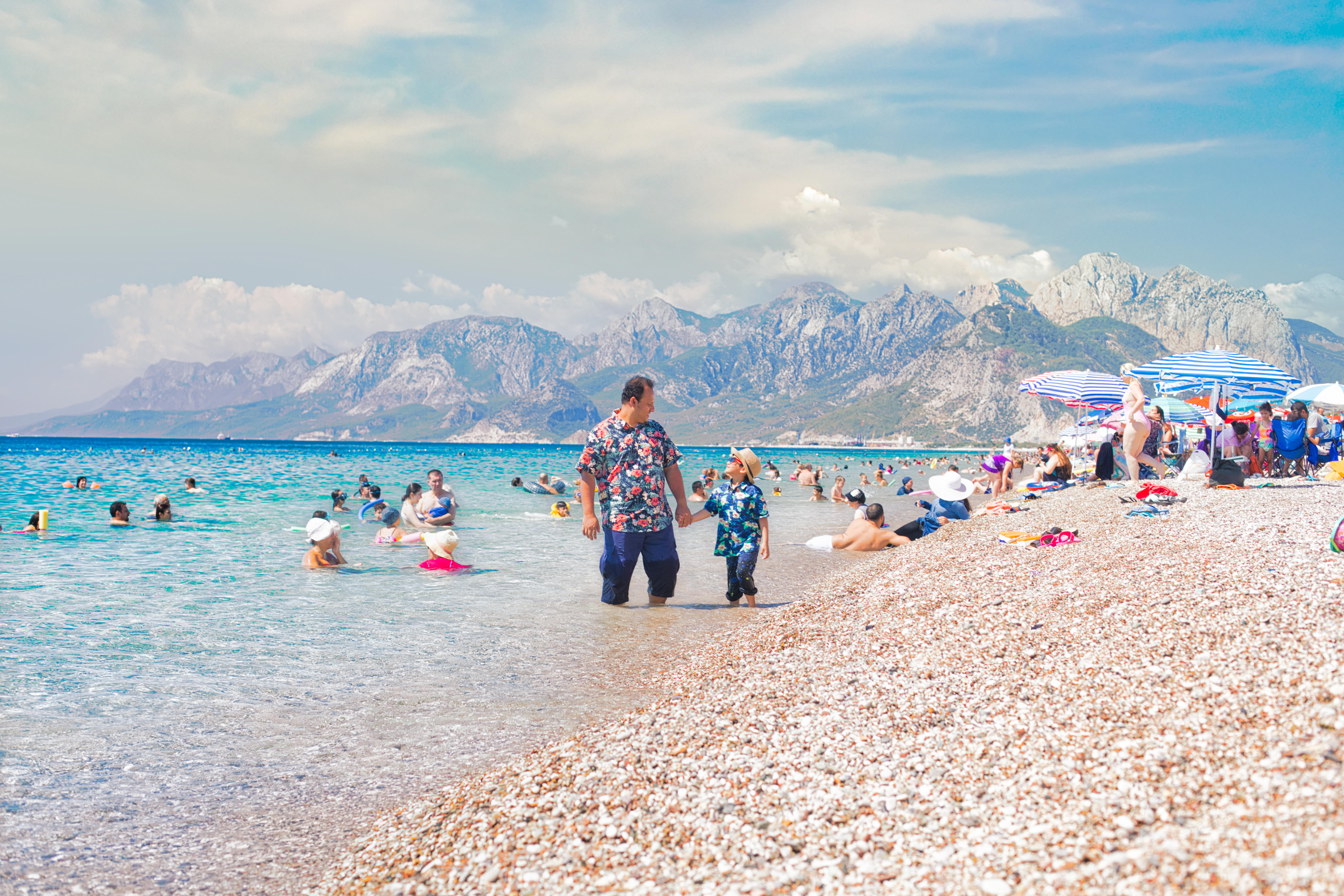

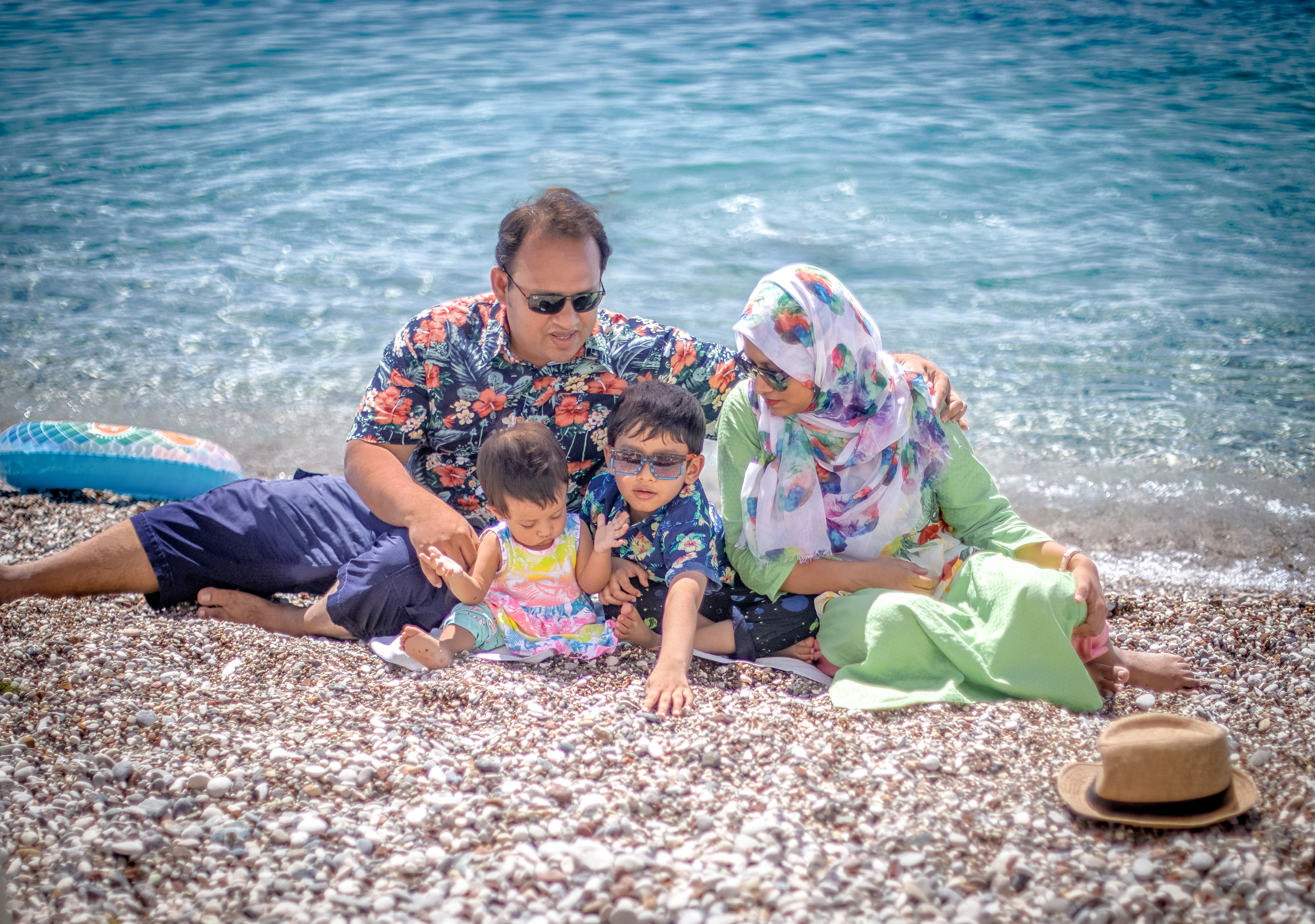

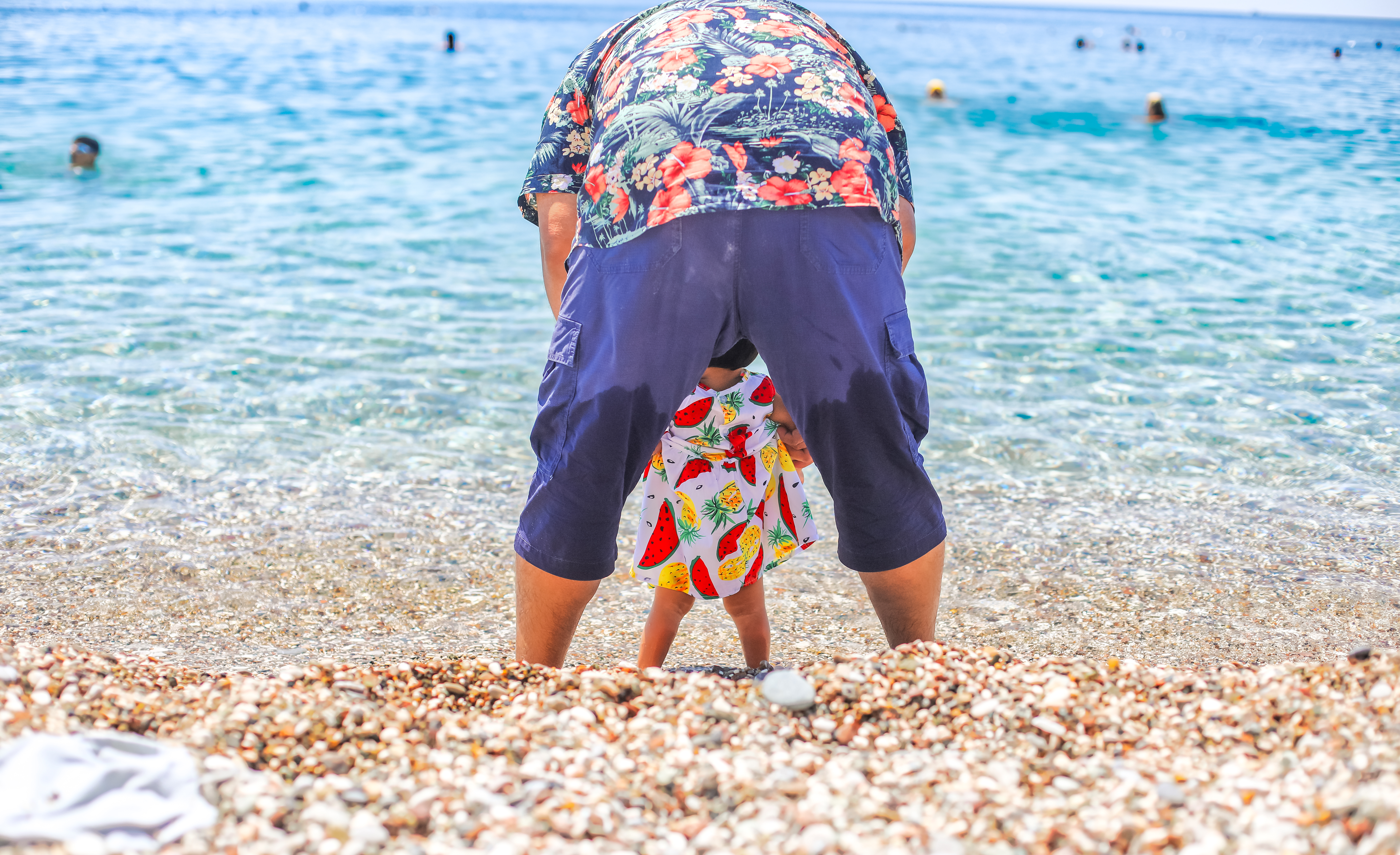


The extensive Konyaaltı Beach starts at the cliffs of the old town in Antalya. A coastal road separates the beach from numerous hotels. Check out our hotel selection.
The 13 km long beach is primarily composed of fine pebbles, but also has some sand. The water is beautifully clear. Konyaaltı Beach has “Blue Flag” status, which confirms the good water quality.
This beach is especially popular with locals and also with tourists from all over the world.
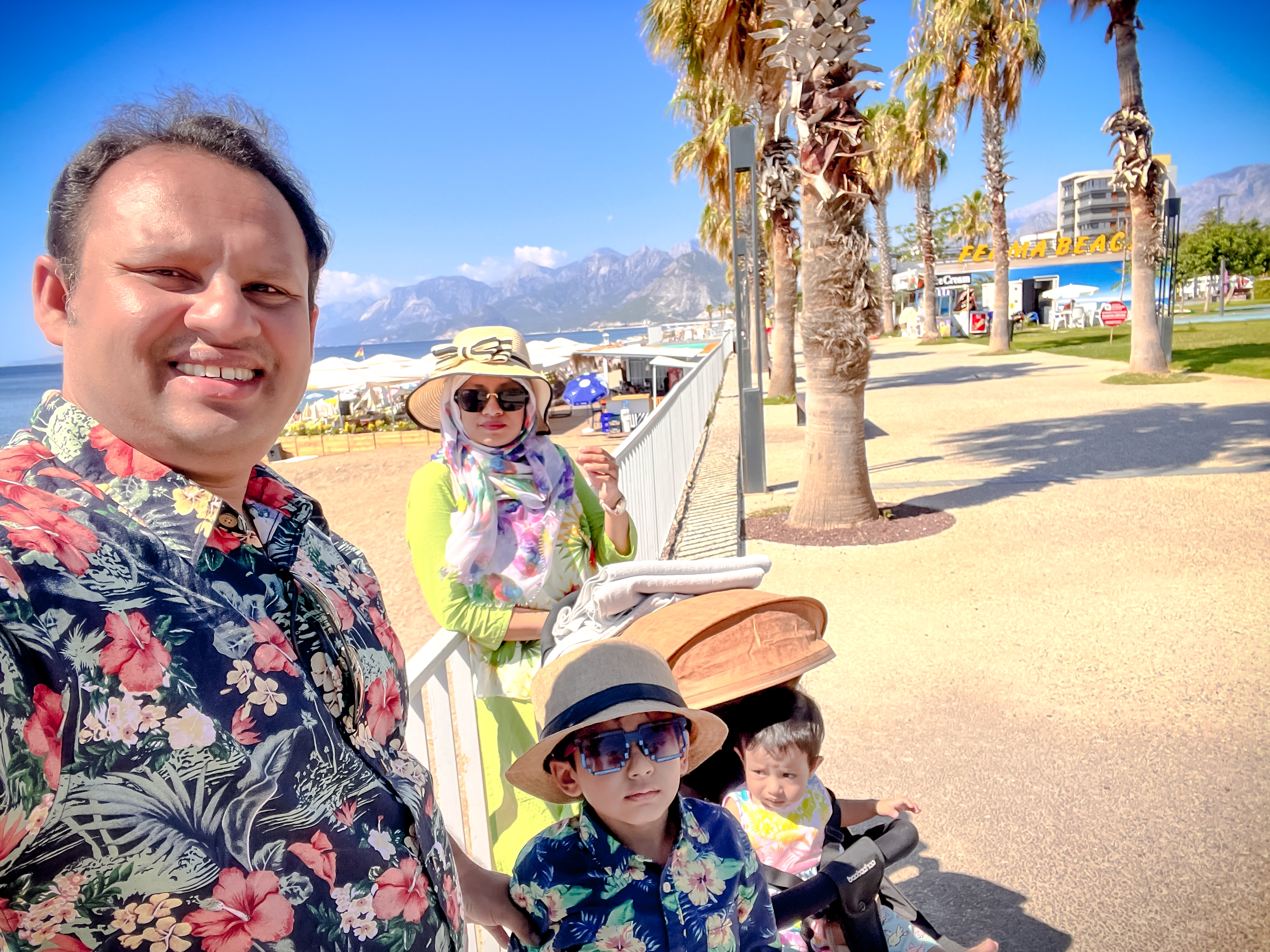
There is a very large selection of beach bars, cafes, and restaurants directly on the beach. Umbrellas and sunbeds are available for rent for a fee from the numerous beach clubs around here. This is also where you can find free toilets, showers, and changing rooms.
The most famous beach section with amenities of this kind is Beach Park with a large number of bars, restaurants, and occasional live music.
In addition, the promenade features fitness equipment, children’s playgrounds, and a basketball court. Several boutiques offer shopping opportunities.
Entertainment and adrenaline are provided by the numerous water sport activities offered directly on the beach. Diving in shipwrecks is a popular activity.
The view that you will enjoy here is very enchanting. You can admire the sparkling sea with the Taurus Mountains and steep cliffs in the background.
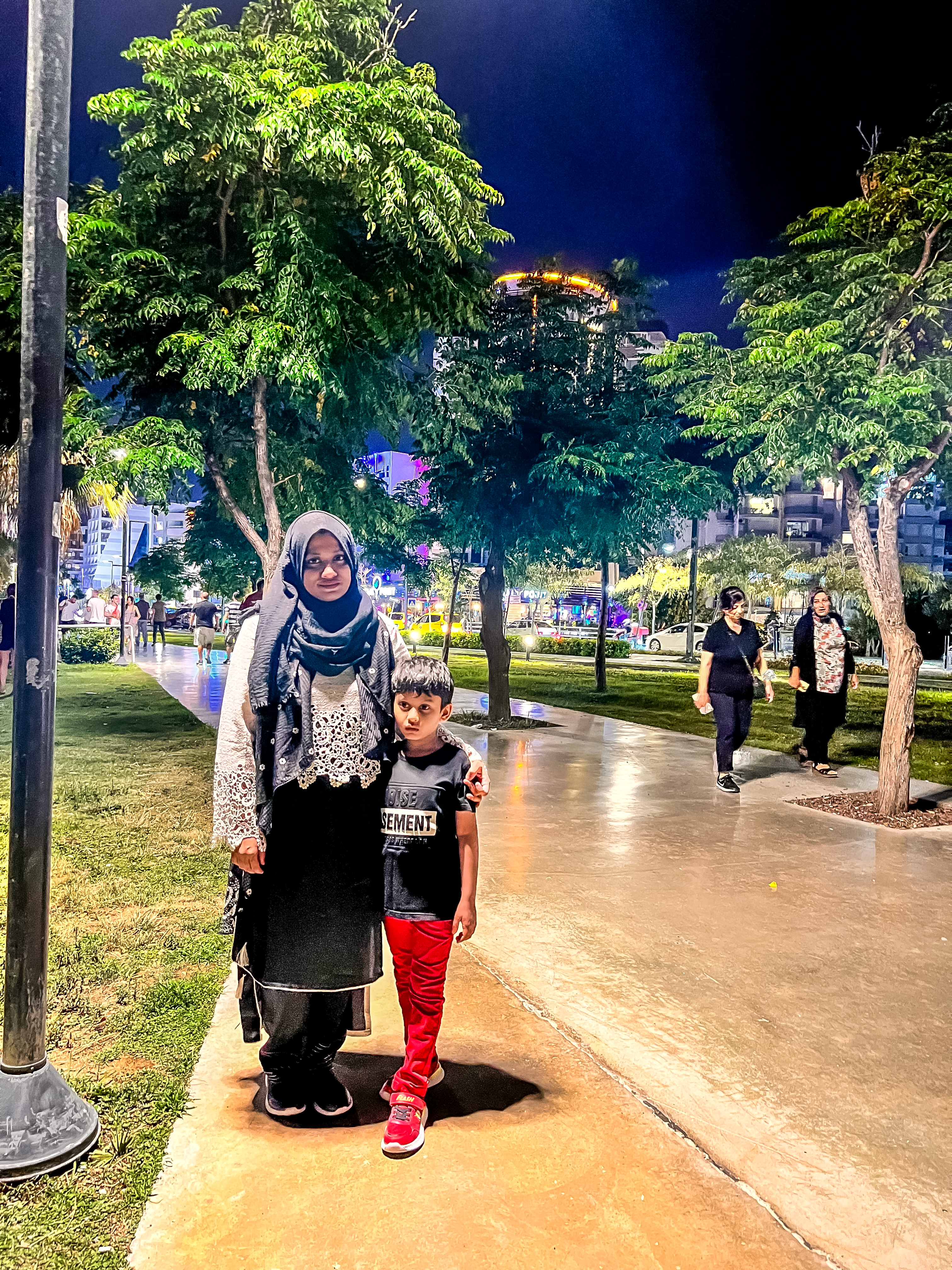
Konyaaltı Beach is not only popular during the day, it is also a popular nightlife destination in Antalya. With its bars and beach clubs, the eastern end of the beach in particular is considered THE address for party people.

2. Hadrian’s Gate
Address: Barbaros, Hadrian Kale Kapısı, 07100 Muratpaşa/Antalya, Turkey
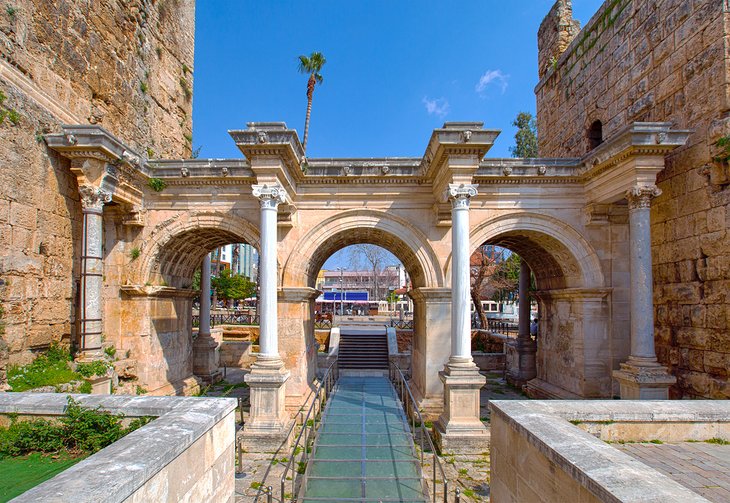
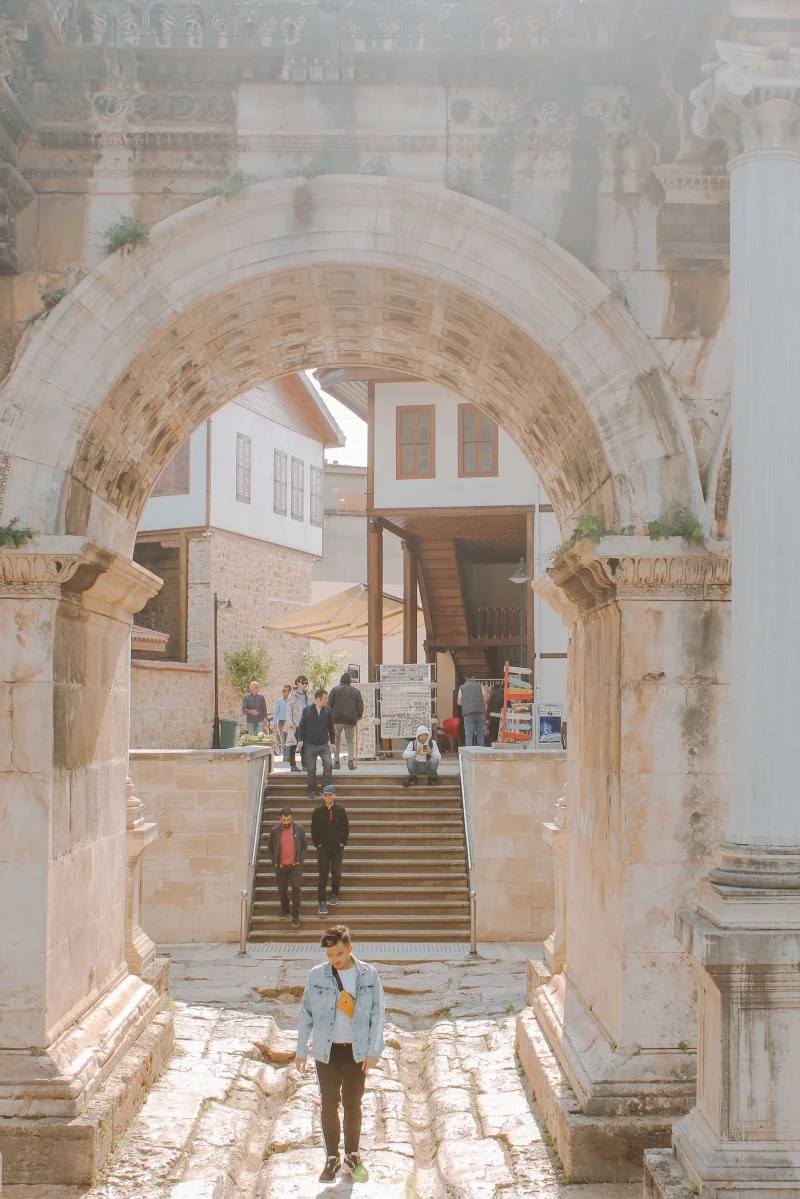
Originating in the Roman Empire more than 2,000 years ago, this temple gate is one of the main and most important gates leading into the old town of Kaleici. It is divided into 3 aisles with arches, sturdy columns all built of marble, showcasing sophistication and elaborate sculpture, commemorating the visit of the emperor Hadrian to the city of Antalya.
3. Visit Antalya Museum
We did not have time to visit the museum but you can try. The Antalya Museum is a must-see attraction for anyone interested in history and culture. Located close to the city centre of Antalya, the museum houses a collection of artefacts from the areas rich history, including ancient Greek and Roman sculptures, ceramics, and coins.
The museum is divided into several galleries, each showcasing a different period in the region’s history. Visitors can see exhibits on the ancient city of Perge, the Roman Empire, and the Ottoman period, among others. The museum also features several temporary exhibitions highlighting different aspects of the region’s culture and history.
In addition to the exhibits, the museum also has a library and research centre, offering a wealth of information for scholars and researchers.
To get to the Antalya Museum, you can take a tram from the old town. You can also join a guided tour from Antalya, which includes transportation and a visit to the museum. The museum also has a free car park if you have your own transport, which was conveniently where our campervan decided to have a break down during our last visit!
The museum has a small entrance fee and is closed on Mondays.
4. Stroll the streets of the old town, Kaleiçi
Kaleiçi is the old town of Antalya, known for its narrow streets, colourful houses, and historical landmarks. It is a great place to wander and explore, with various shops, cafes, and restaurants to discover. Although the old town doesn’t have a designated bazaar, the are a large selection of souvenir stores that line the cobblestone streets.

Within the old town there are a few important historical sites that should’t be missed which include the Yivli Minare, Hadrian’s Gate and Antalya clock tower (Saat Kulesi). The old town is easy to navigate independently, however if you’re interested in learning about the history and landmarks as you wander, consider joining a guided tour.
5. Relax at Duden Waterfalls
There are two Duden Waterfalls in Antalya. The Duden River forms the falls, which flow from the Taurus Mountains and into the Mediterranean Sea. The Lower Duden falls spill dramatically off a cliff into the sea and can be viewed from the clifftop or by taking a boat trip from the harbour to the base of the falls. This is the Duden waterfall you’ll see posted on social media. This is where we went to and spend most of our afternoon.
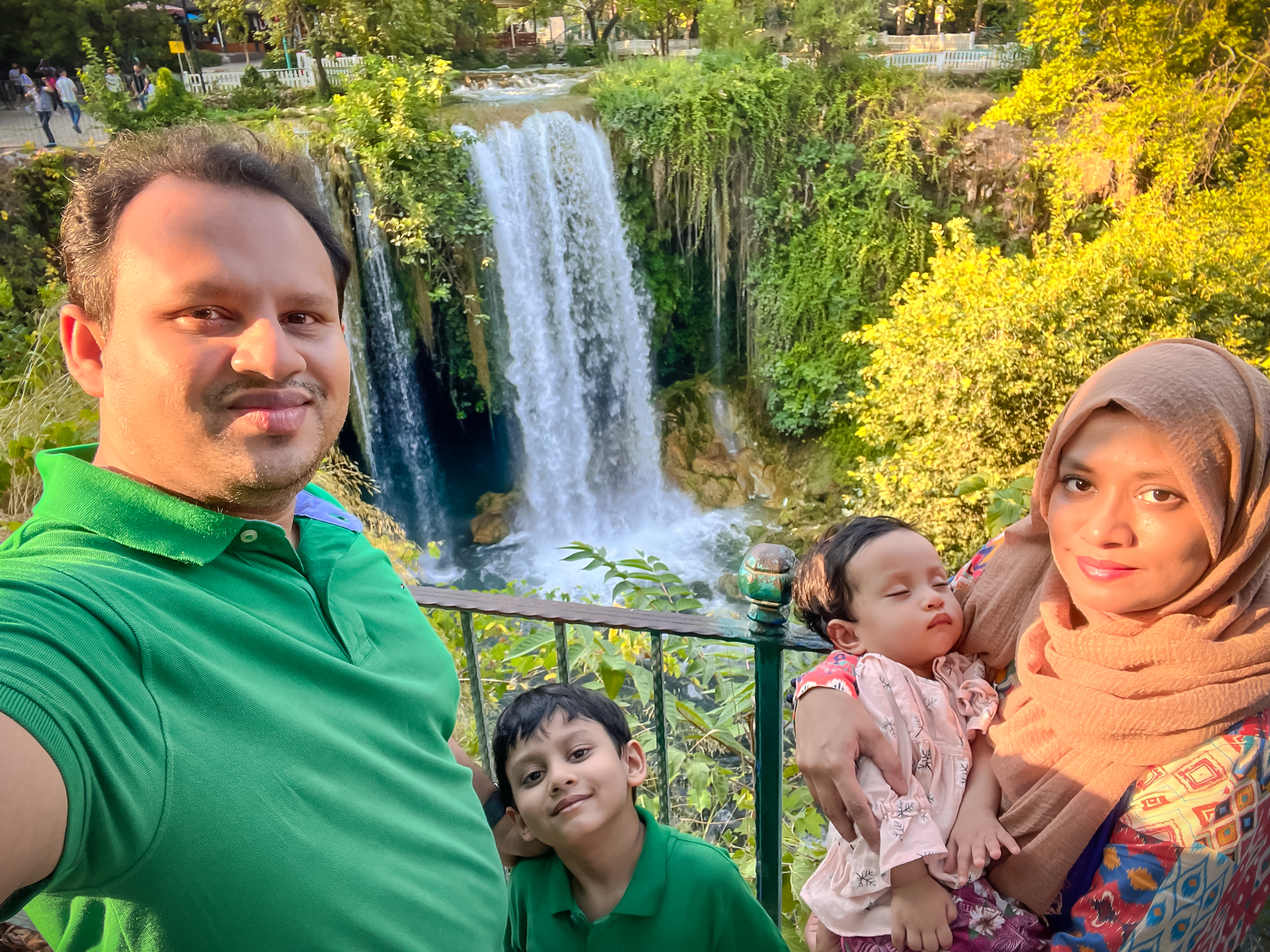
North of the city, in the Varsak District are Upper Duden falls, which are located in a lush green forest. There are caves behind the falls which can be accessed for alternative views of the waterfall. Multiple public buses run here as well as the Varsak minibuses. There are also many guided tours which visit both waterfalls of Antalya in their trips. We did not go there as we could not manage time.

The Duden Waterfalls are a must-see attraction for nature lovers and anyone looking to escape the hustle and bustle of the city. The peaceful setting and beautiful surroundings make it a perfect place to relax and recharge.
6. Take a boat trip from the harbour
Antalya’s harbour is a pretty place to wander and a great place to take a boat trip which explores the coast of the Mediterranean. There are a variety of boat tours available, ranging from short sightseeing trips to longer excursions to nearby islands.
The harbour is connected to the old town via an old stone staircase which has 44 steps and was built by the Venetians. You feel every one of these steps when climbing up in the summer sun!

7. Visit the Antalya Aquarium and/or Zoo
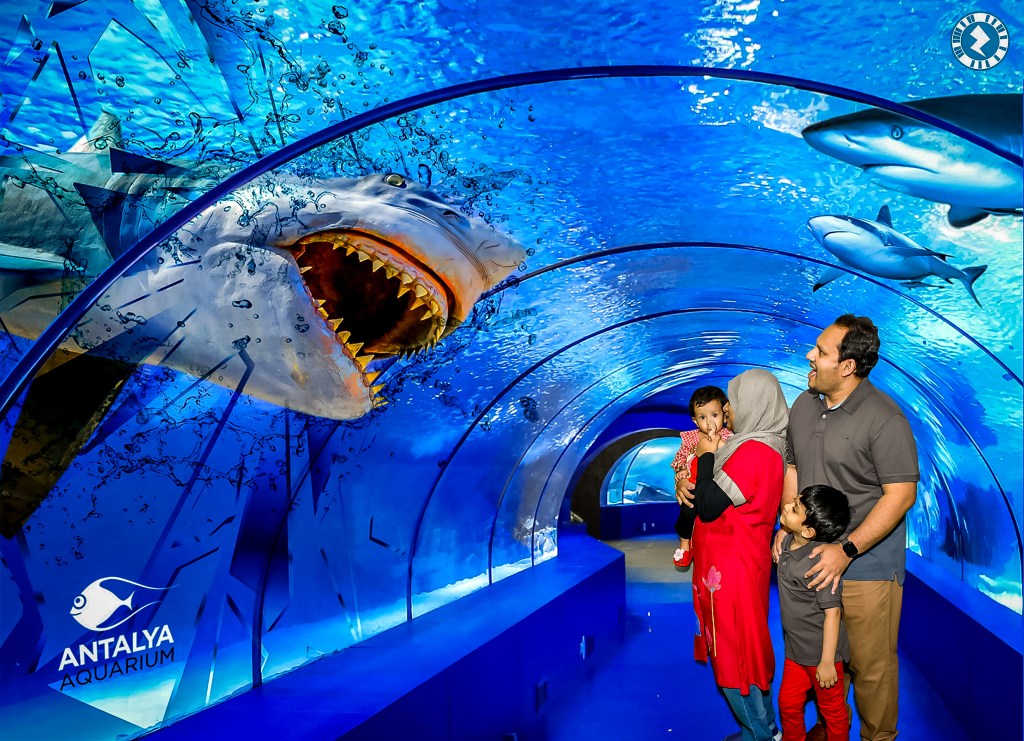
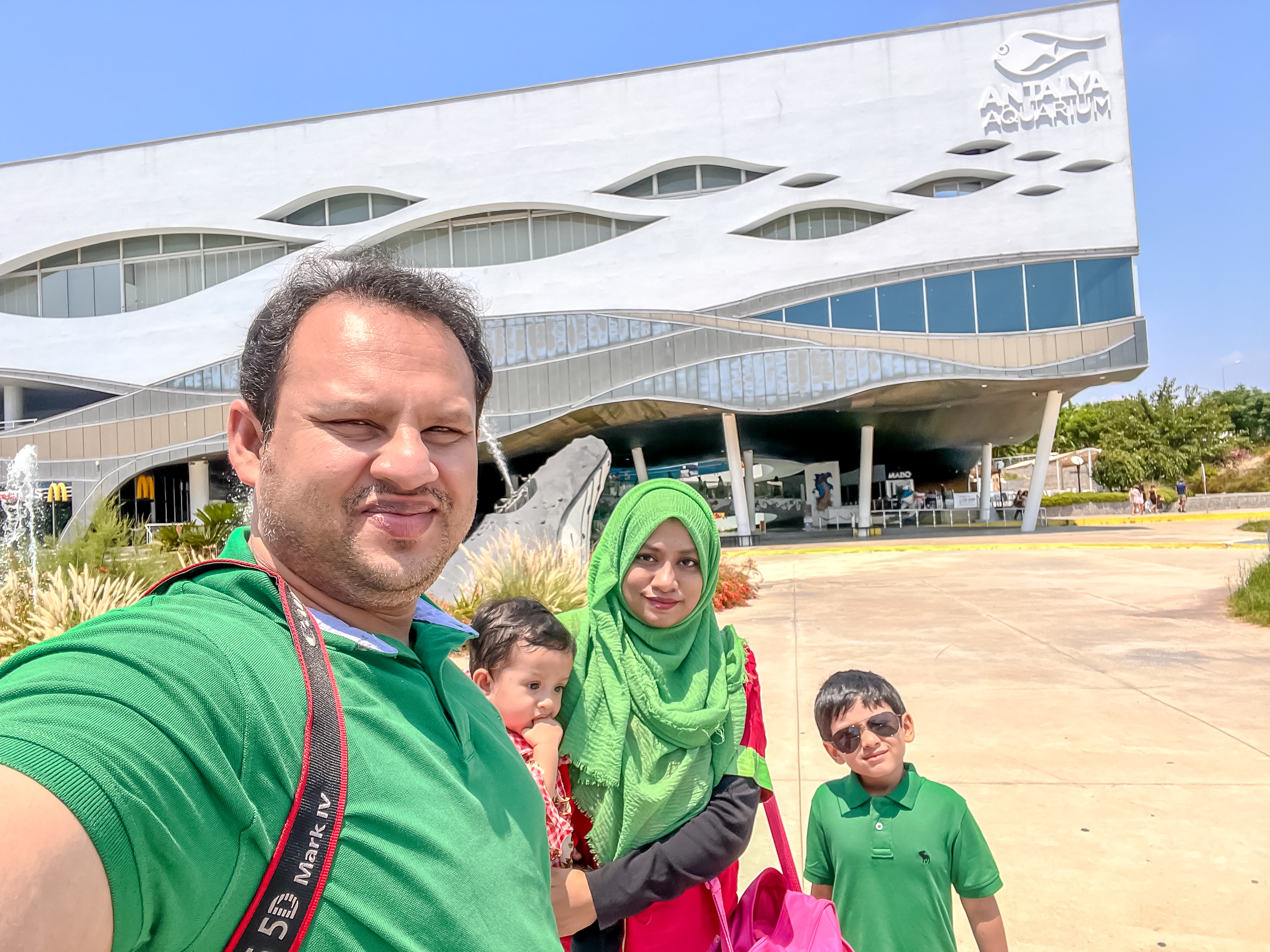
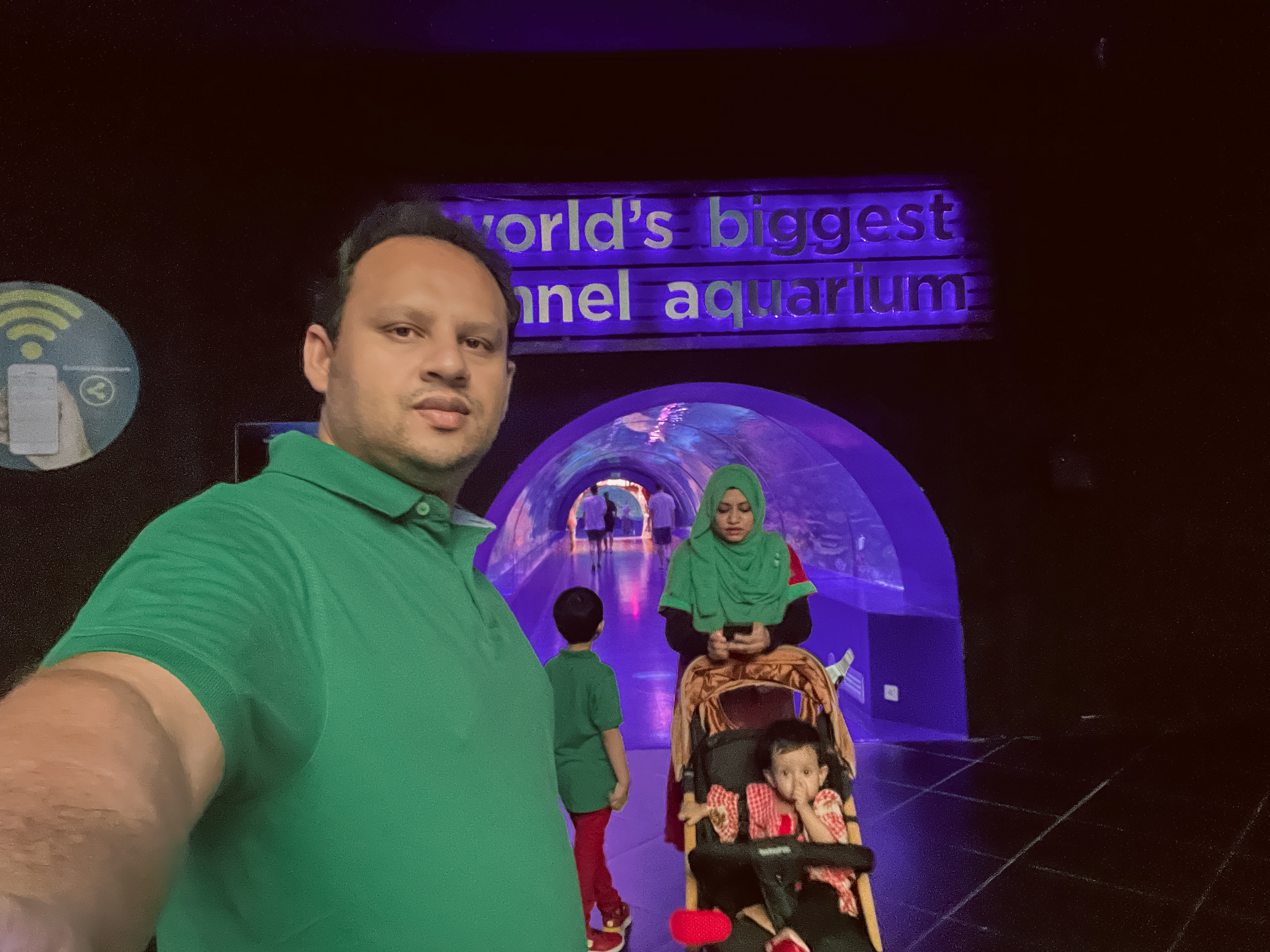
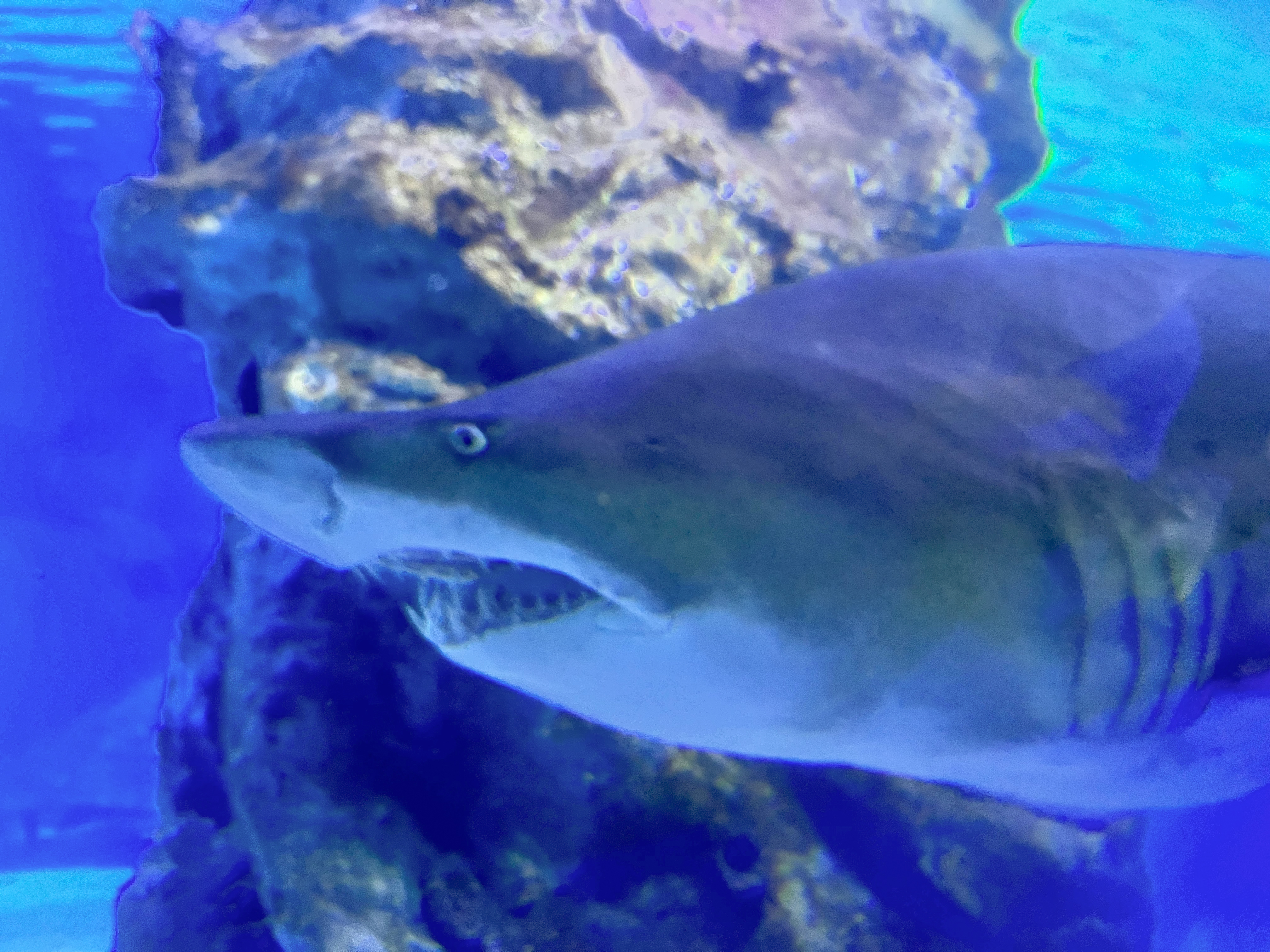
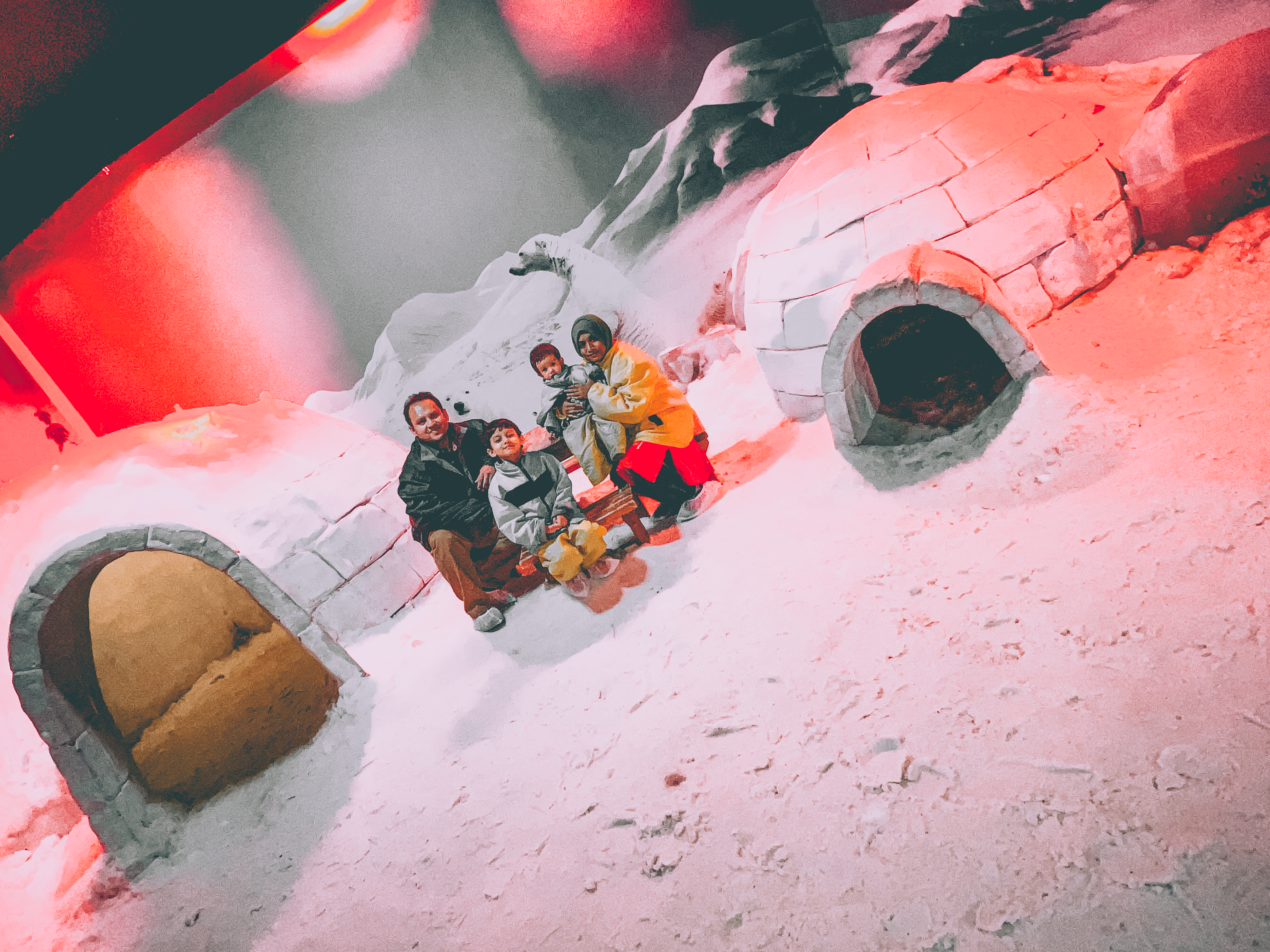
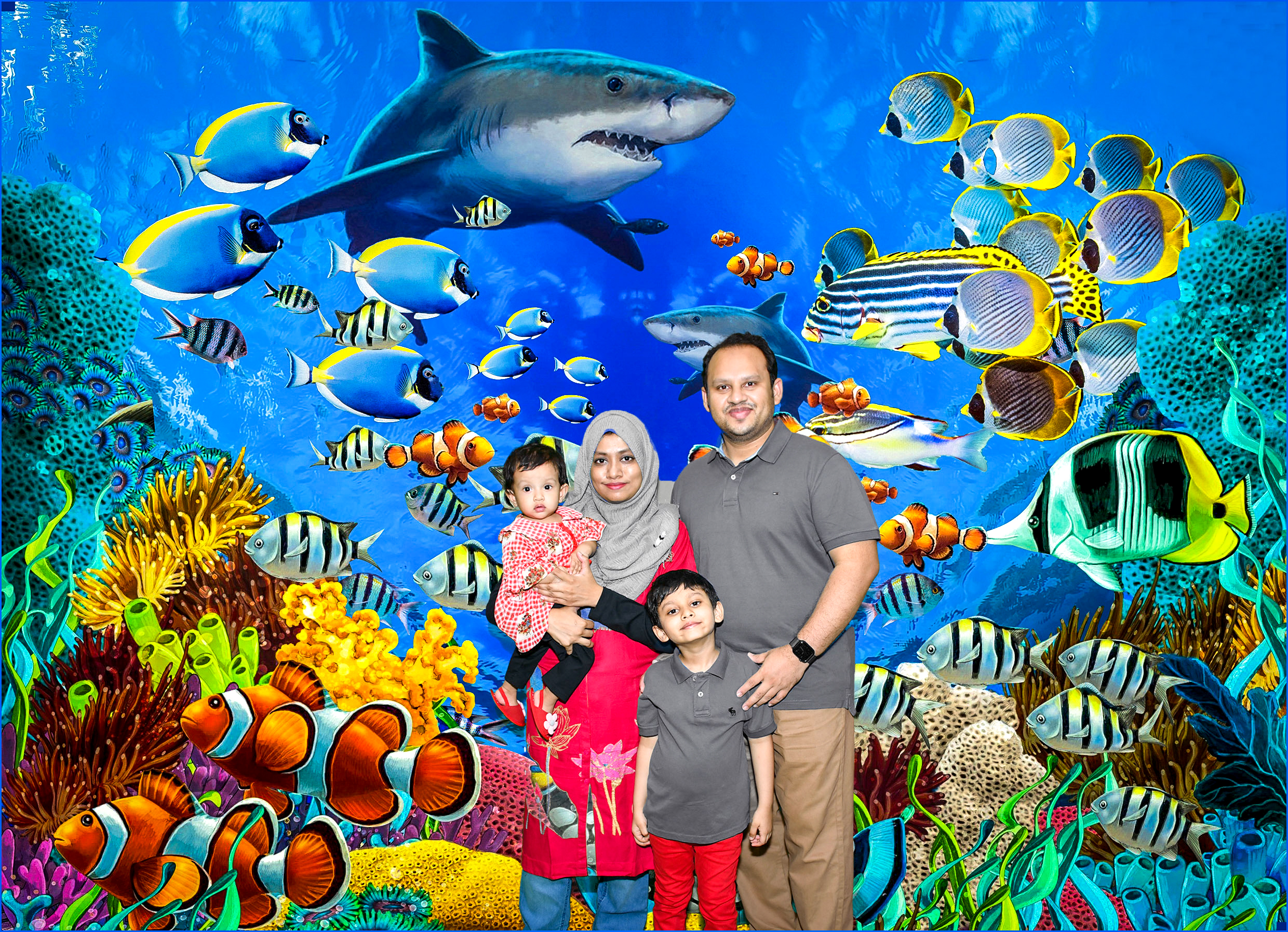
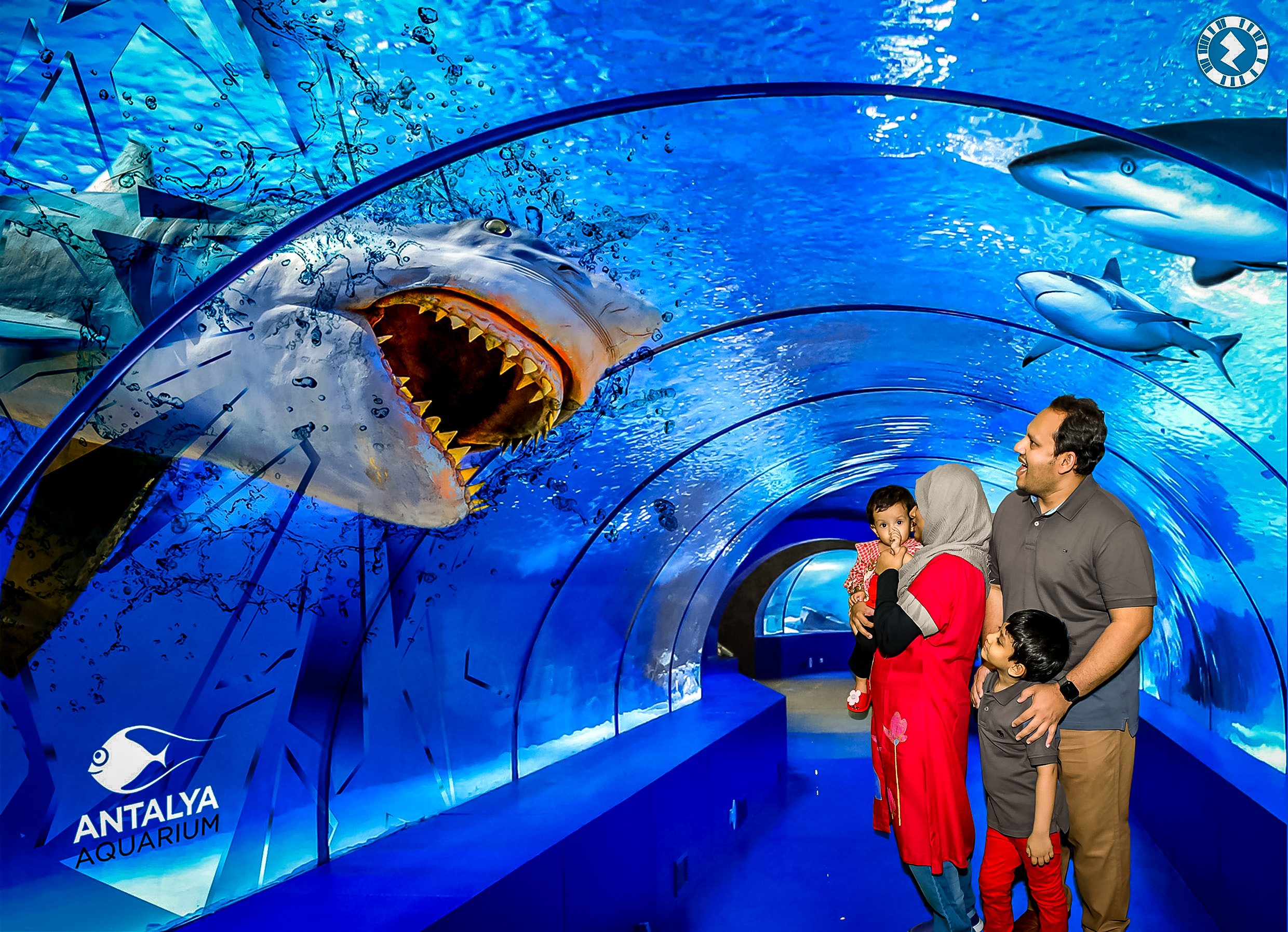
The Antalya Aquarium and Zoo are popular choices for families. At the aquarium there are over 10,000 marine animals and over 50 different-themed tanks and at the zoo there are over 1000 animals the see. We went to see the Aquarium. The entry fee was quite steep. Apparently it has the world’s biggest aquarium tunnel.






8. Wander the sites at Side
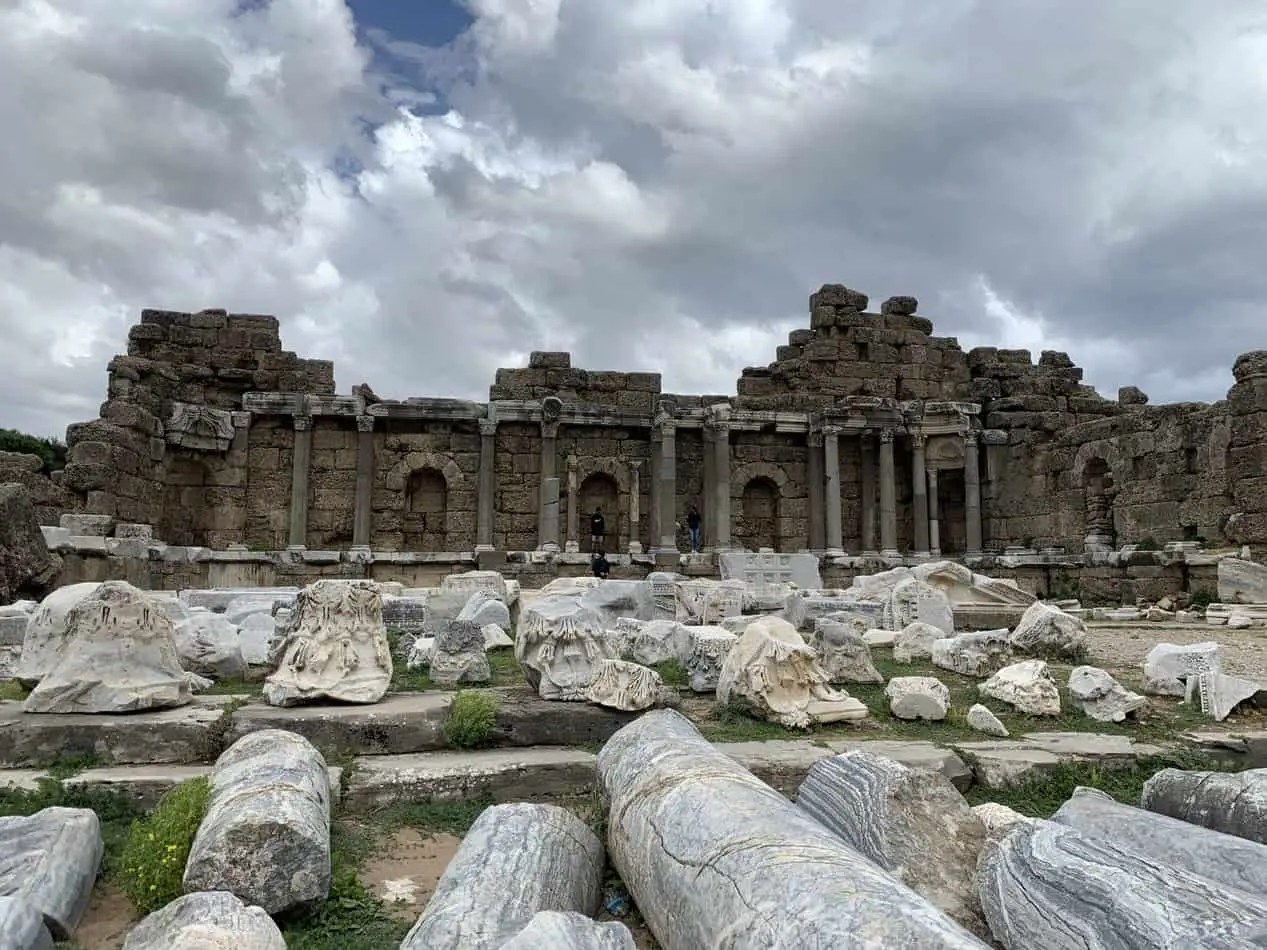
Located 73km to the east of Antalya, you can find the Greco-Roman harbour city of Side. Side was one of the most important cities of Pamphylia, believed to have origins in the Bronze Age. Side has a number of ruins dotted around the resort city which is interspersed with houses, restaurants and shops.
Most of the locations are free to enter, with the exception of the large 2nd century amphitheatre. Take time to appreciate the well-preserved Hellenistic main gate as you enter the city, be sure to walk out to the peninsula to visit the Temple of Apollo and Athena and get lost amongst the temples and agora located next to the theatre. We did not have time to go there. Also since we went to Hierapolis so decided to skip this but you can go.

9. Marvel at the amphitheatre in Aspendos
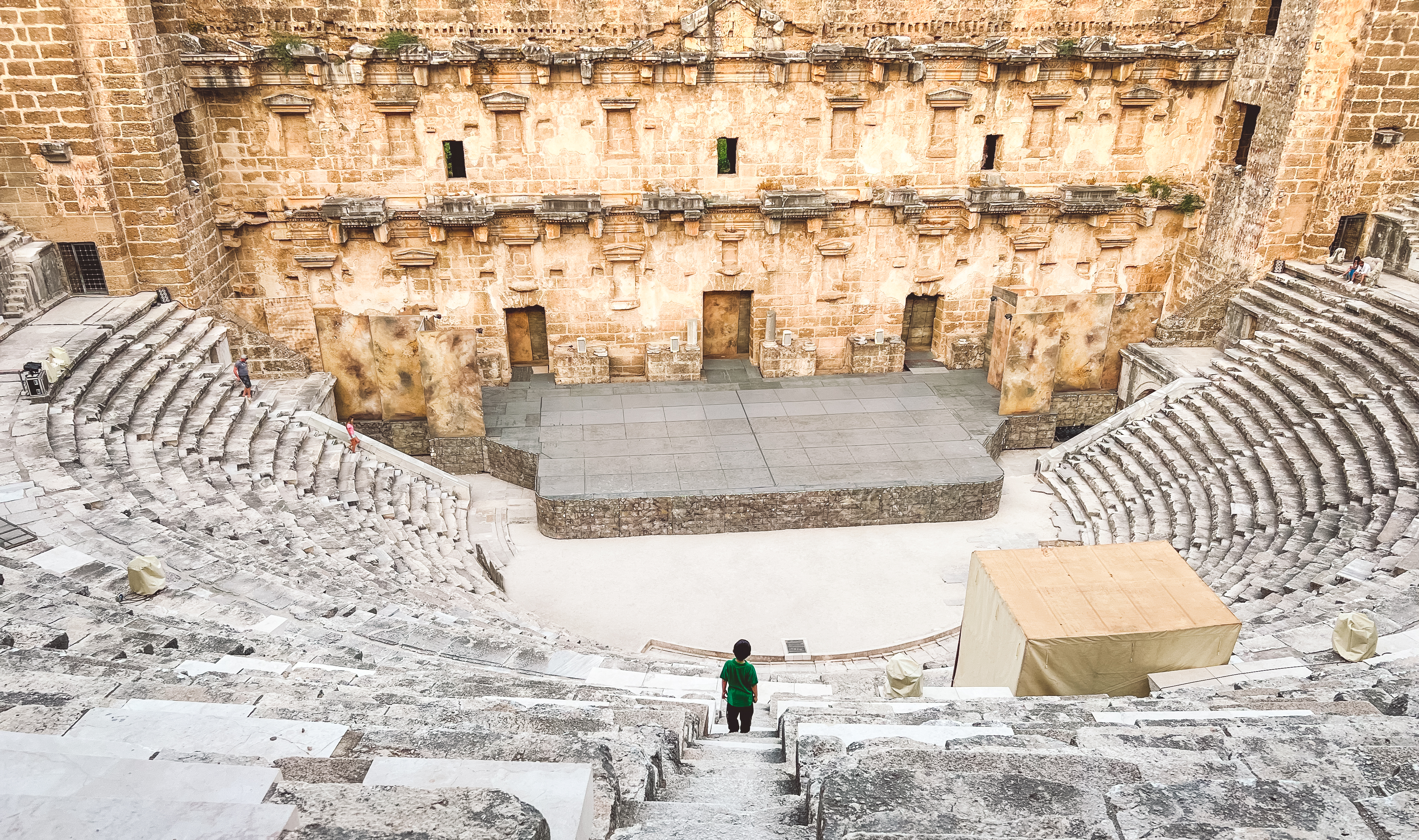
Aspendos is an ancient city located about an hour from Antalya, known for its well-preserved amphitheater. The amphitheater isn’t as large as some other sites in Turkey, such as Ephesus, but it is unique because it’s fully intact. There is a modern stage at the front of the theatre with regular performances of plays and concerts. I had a wonderful time with my son as we climbed up high into the upper deck of the amphitheatre.
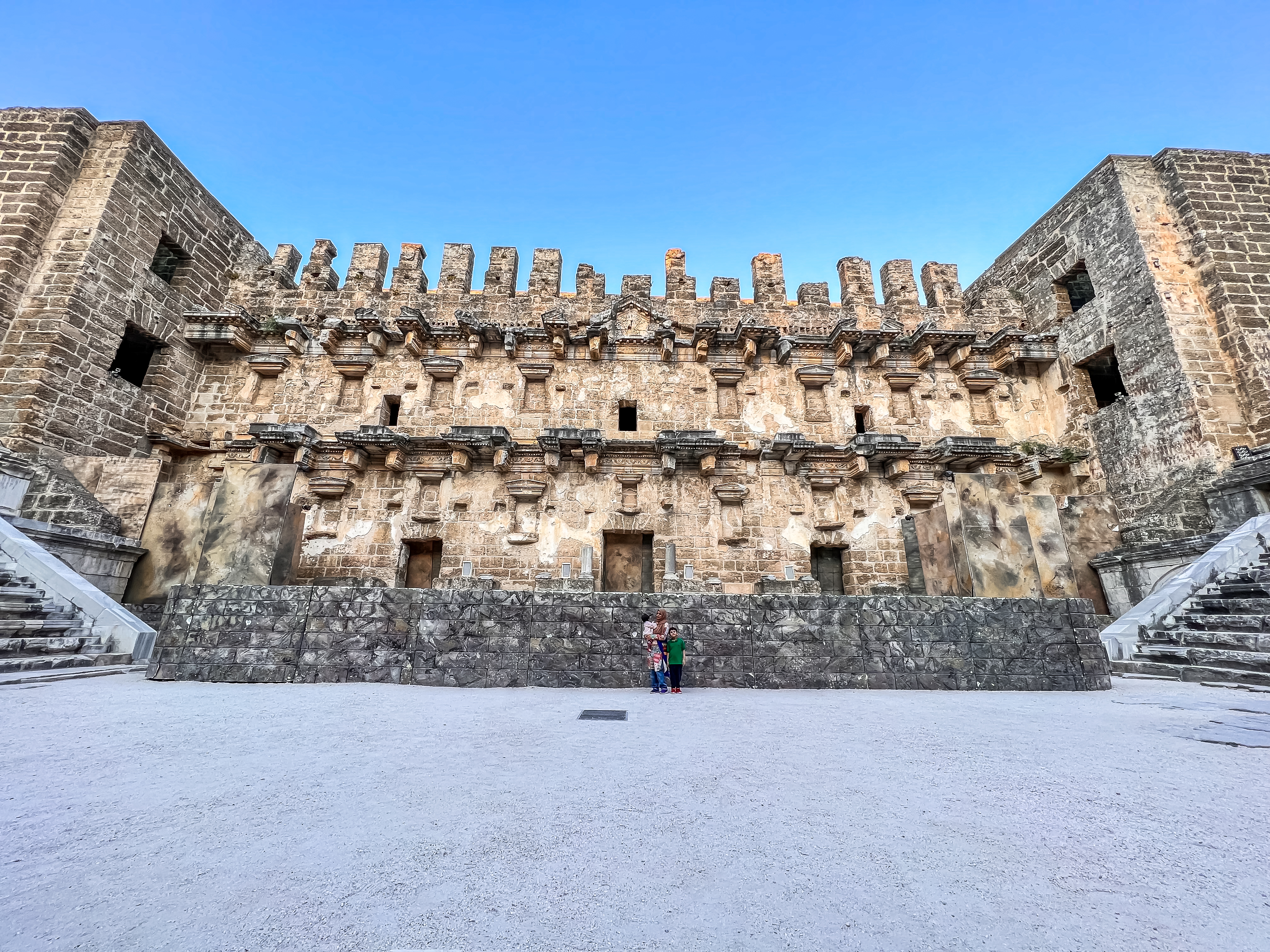
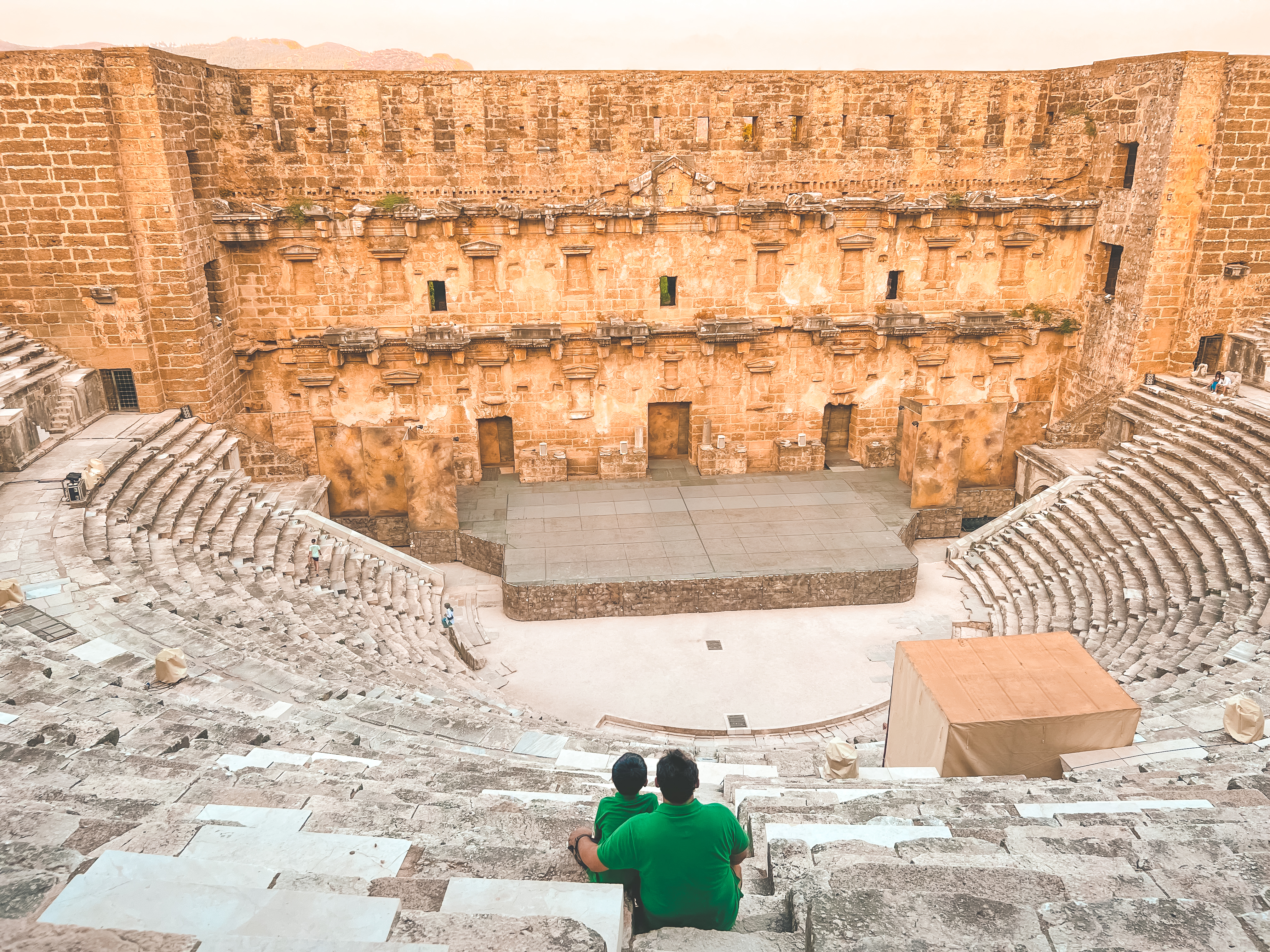
However, there is more to see at this site than just the theatre, with remains of a basilica, nymphauem, acropolis and citadel to explore. There is also an aqueduct located a short drive from the main site. For a great view of the whole theatre, follow the footpath up to the hill just behind it.
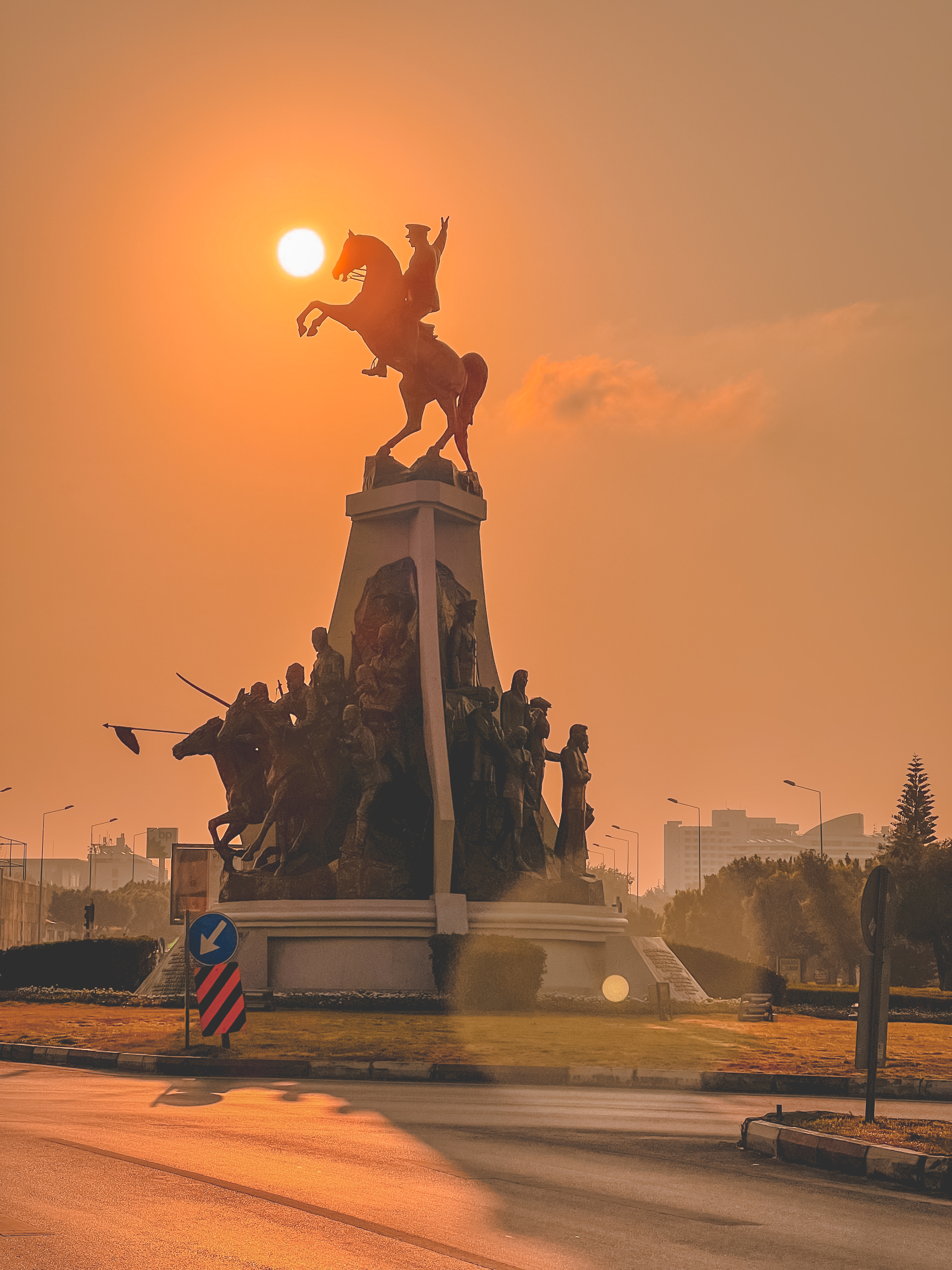
How to get to Aspendos:
Aspendos is in the village of Belkıs near a town called Serik. It is less than 50 kilometers from Antalya’s city center, when you leave towards the east. So a it takes around 35-40 minutes by car. You can rent a car in Antalya easily.
From the Antalya terminal, you can take a bus to Serik, first. And then, you will find minibuses departing for Belkıs to reach Aspendos.
10. A day trip to Pamukkale “Cotton Castle”
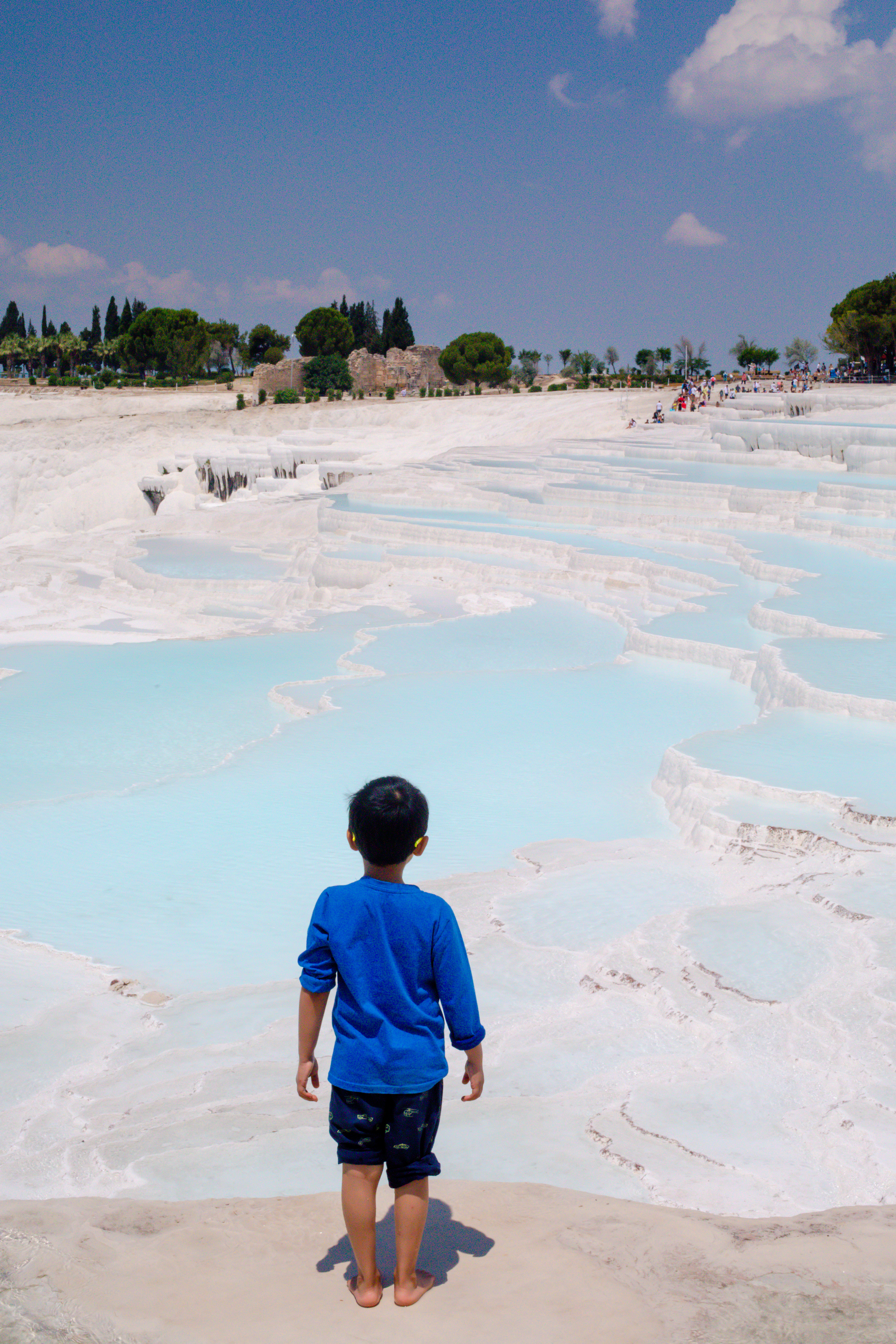
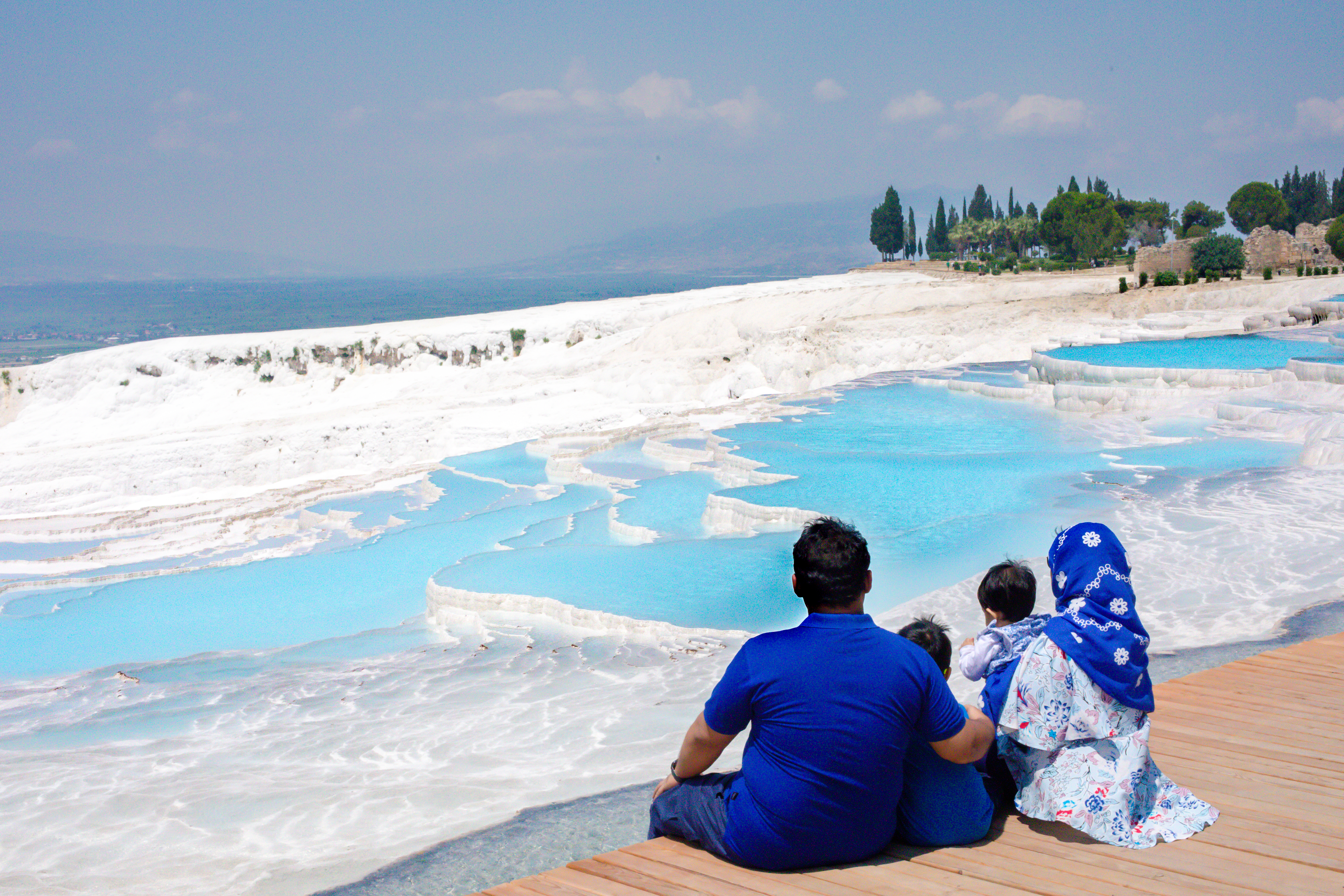
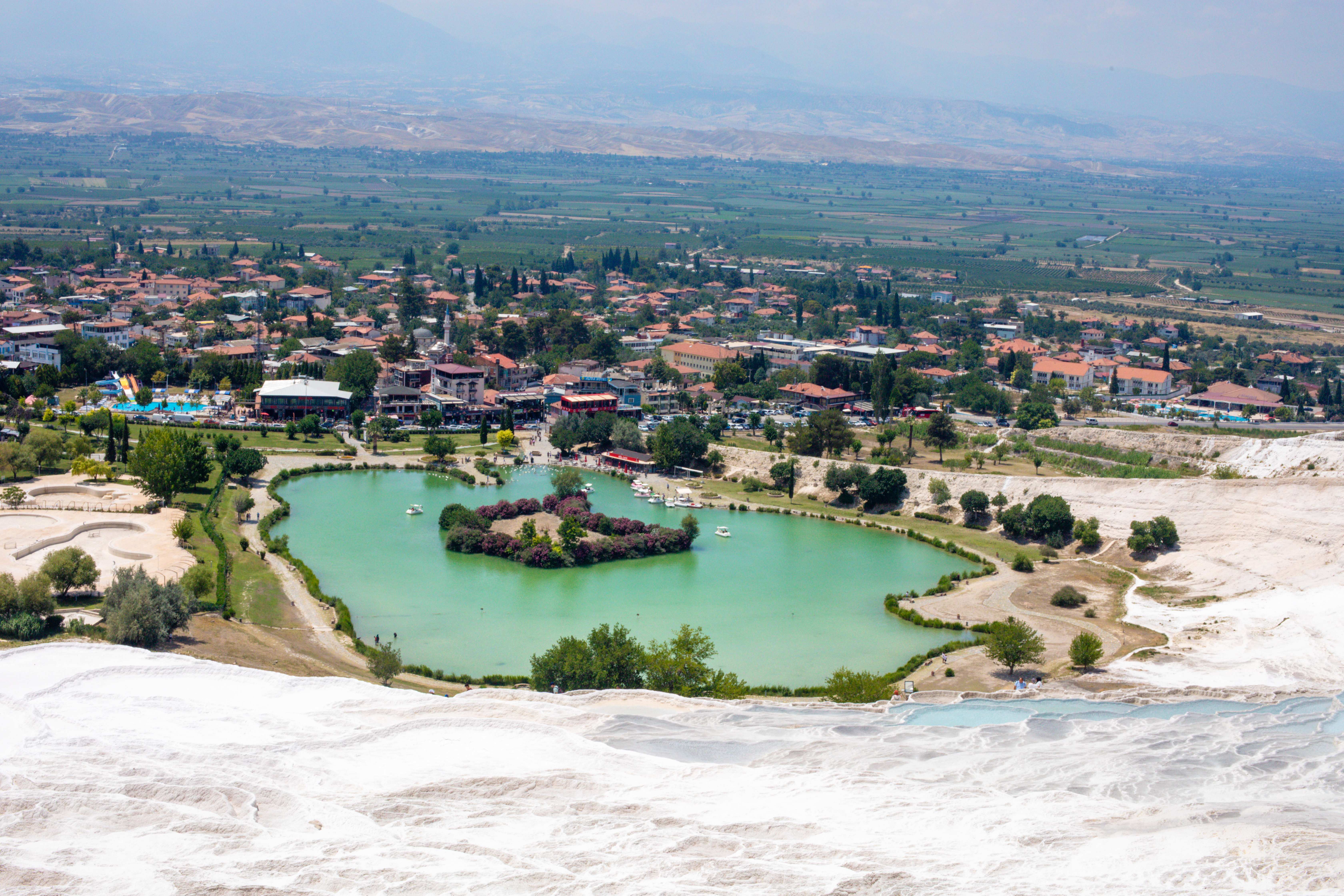
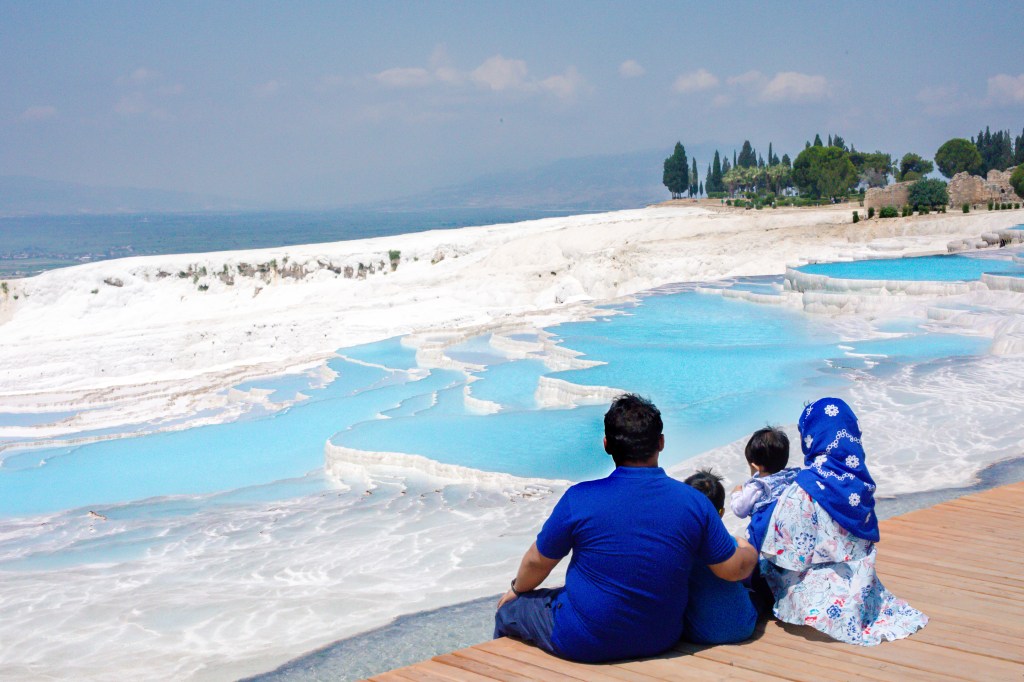
Pamukkale, meaning “cotton castle” in Turkish, is a natural site in Denizli Province in southwestern Turkey. The area is famous for a carbonate mineral left by the flowing of thermal spring water. It is located in Turkey’s Inner Aegean region, in the River Menderes valley, which has a temperate climate for most of the year.A natural landscape that visitors will “Mouth A, Eye O” unable to close their mouth when seeing is Pamukkale cotton castle. It’s the same series of steps as at the Termessos theater, but it’s not the hard stones covered with the dust of time, but the white limestone steps and the blue stream flowing from one step to another. create a magnificent waterfall, beautiful like paradise.


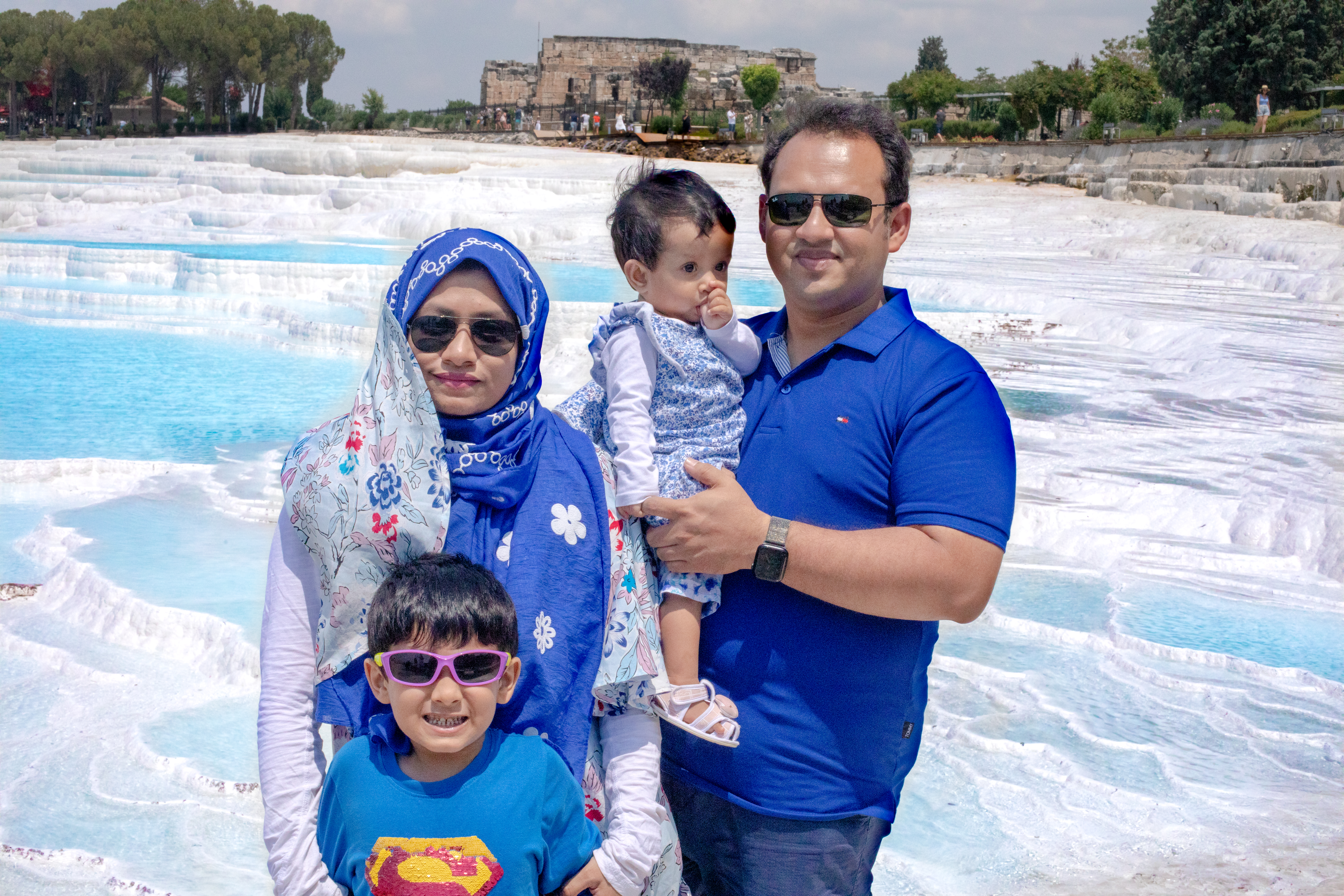
The pools are full of people. Had to edit them out as well as take shots from particular angle so that people are out of our pictures. Azlan enjoyed a lot. I think he swam in the shallow pools for like one hour or so….




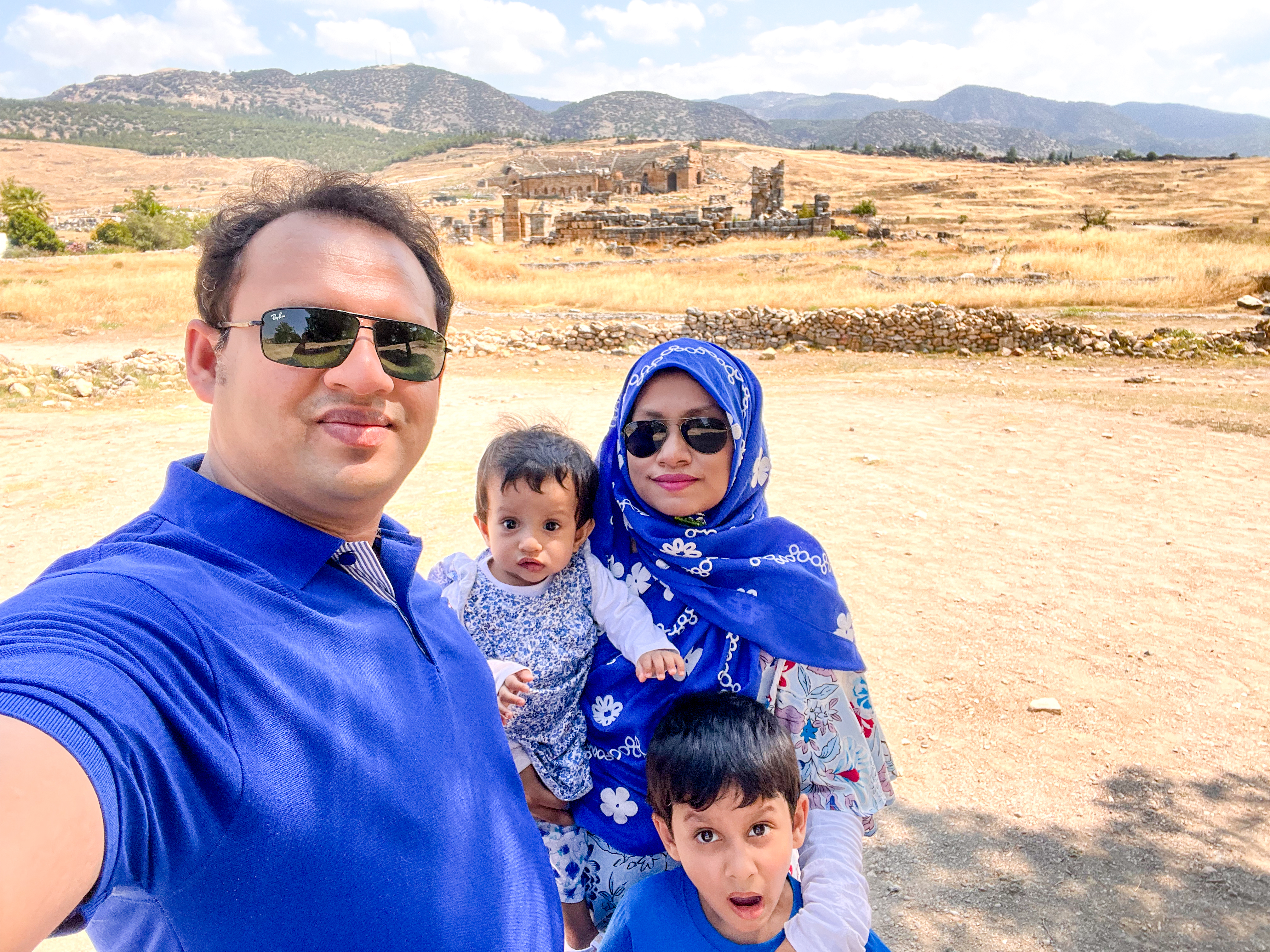
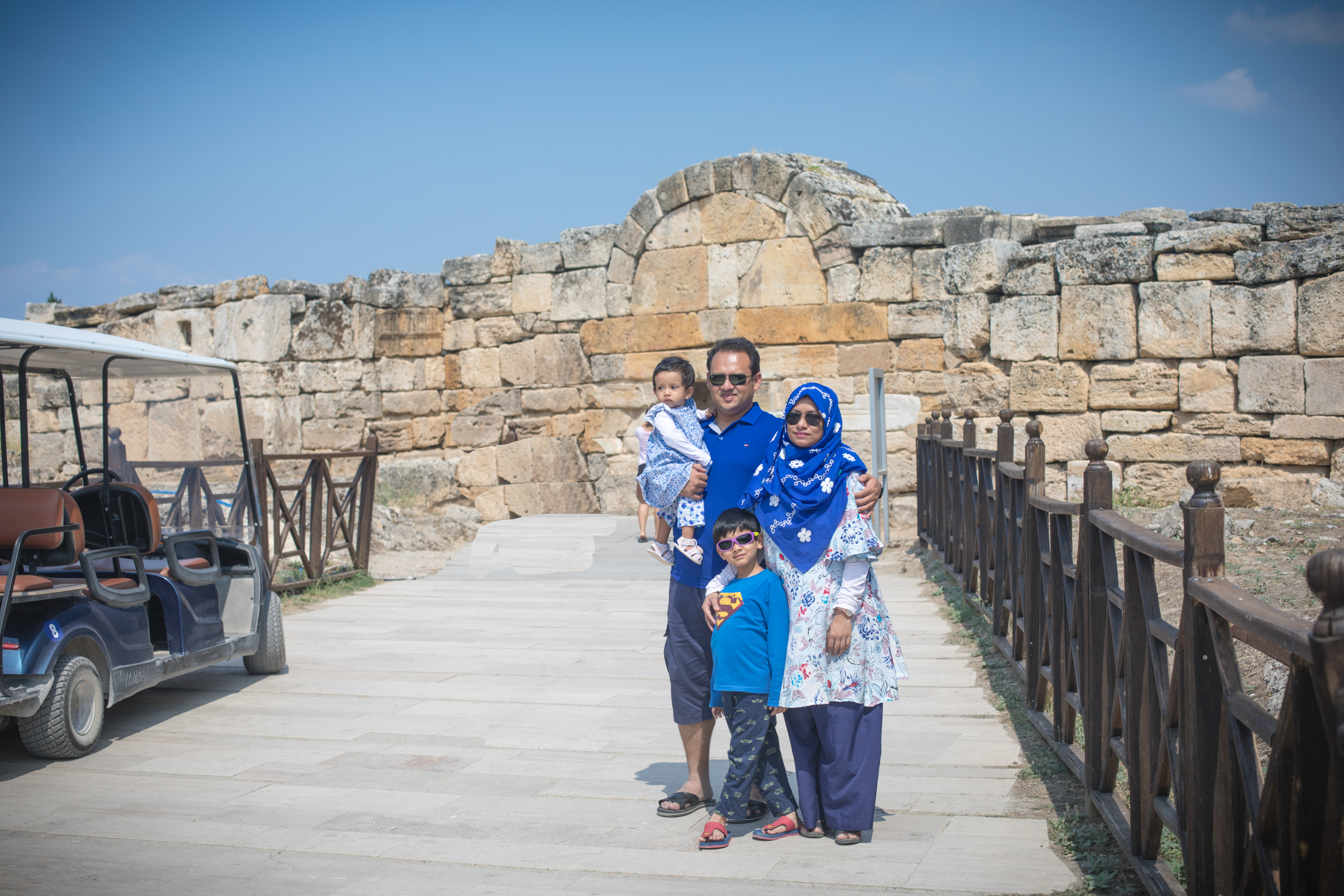
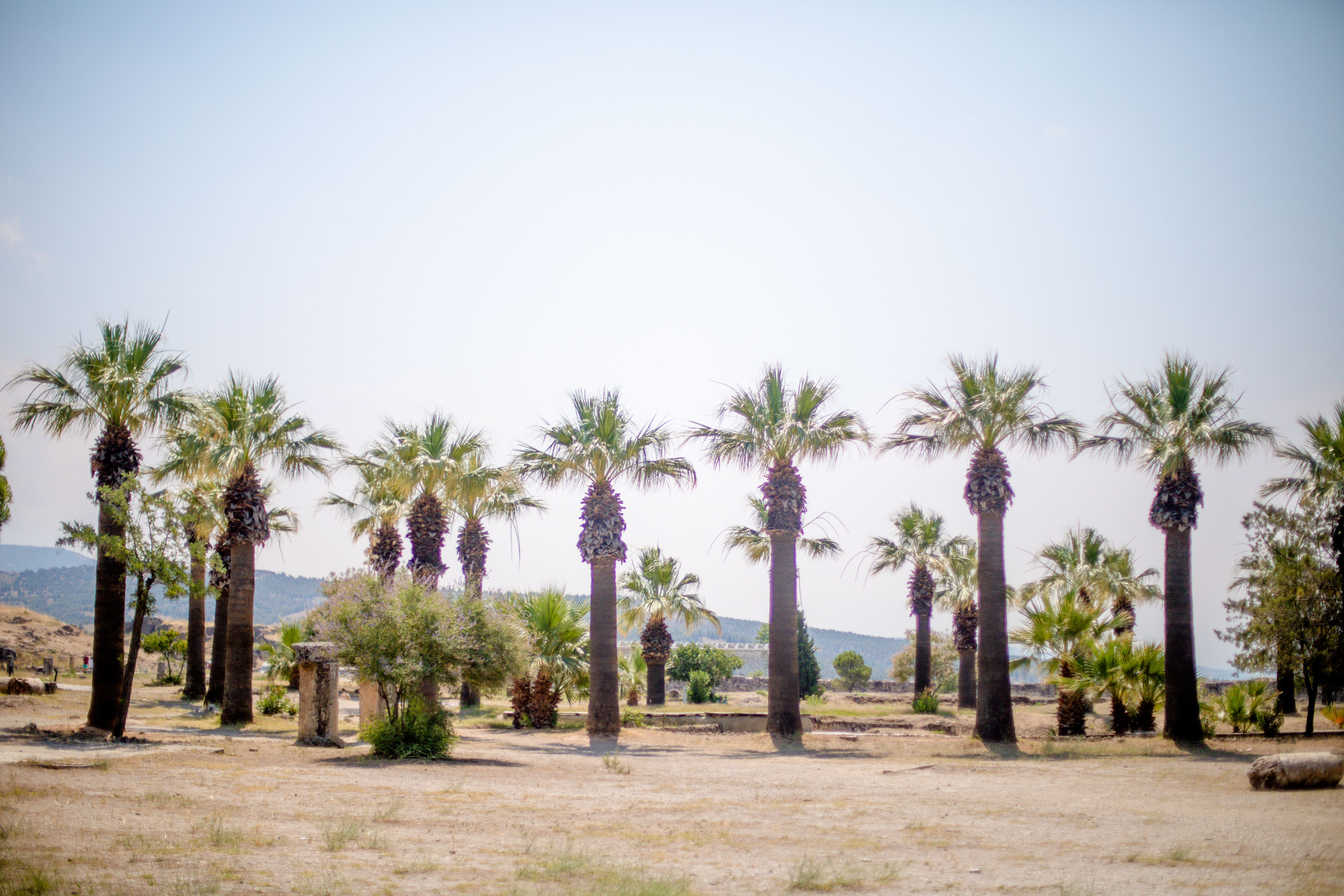
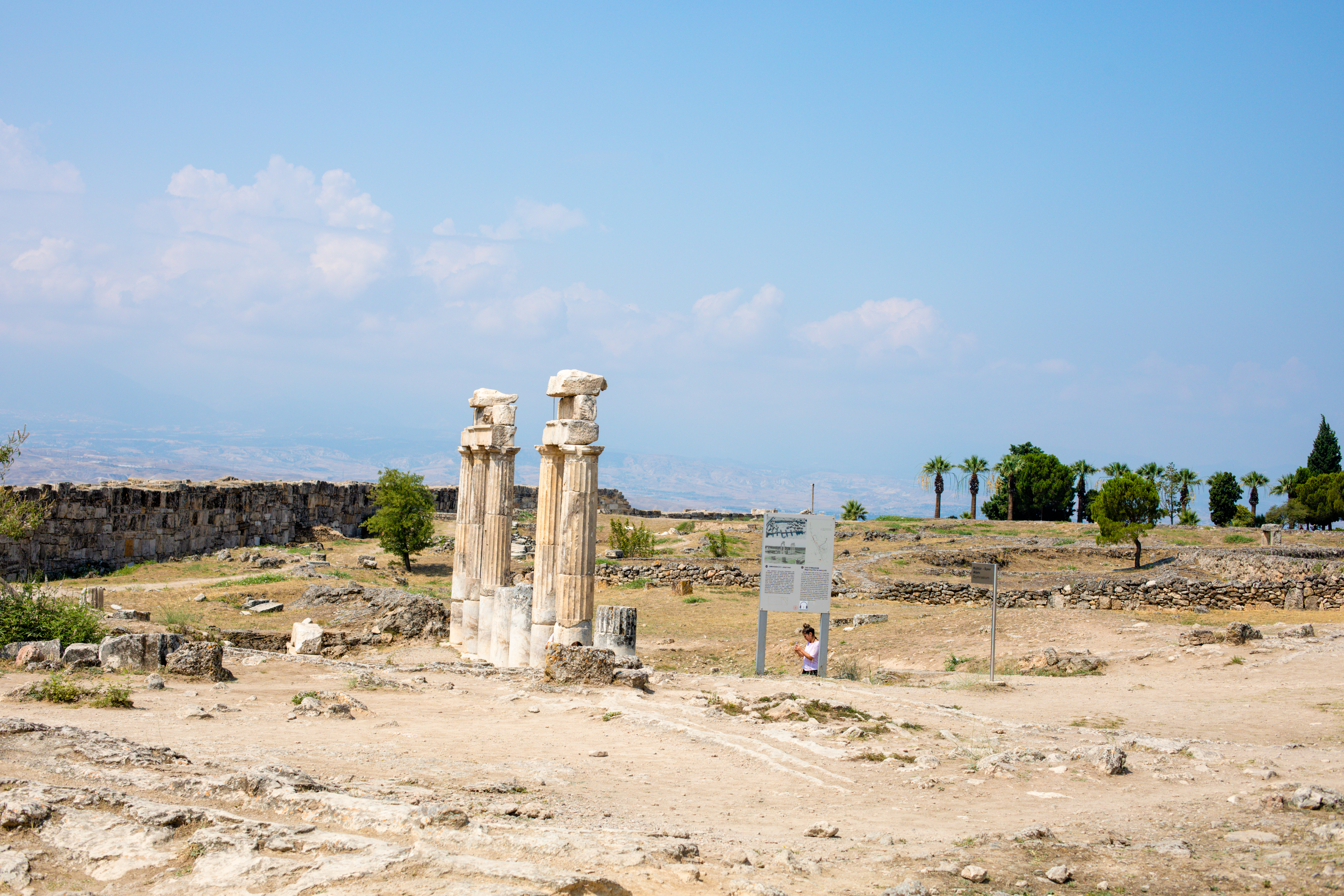
Visit to Hierapolis
Hierapolis was founded by the Ancient Greek kings of Pergamum. Specifically, King Eumenes II (197 BC – 159 BC) is often credited with founding the city, though this is disputed. Even as early as this, the hot springs of Pamukkale were the driving force behind the city. Visitors flocked from across Greece and Turkey, much as they do today. A major earthquake in the year 60 AD, during which time Nero was the Roman Emperor, destroyed the city. All of the Ancient Greek architecture was lost.
Hierapolis was ruled by the Roman Empire in around 129 AD and was rebuilt using Roman styles and techniques. Much of the surviving ruins date from the Roman Empire. Although admittedly, not much survives from these early days thanks to subsequent natural disasters.
A powerful earthquake in the early 7th century flattened most of the city, but it was rebuilt. Yet another earthquake devastated the city in 1354, by which time it had lain abandoned for several hundred years. It wasn’t until 1887 that German archaeologist Carl Humann began the excavation of the ruins of Hierapolis that visitors can see on tour today. Much of the site has been restored, including the refurbishment of large columns along the main street.
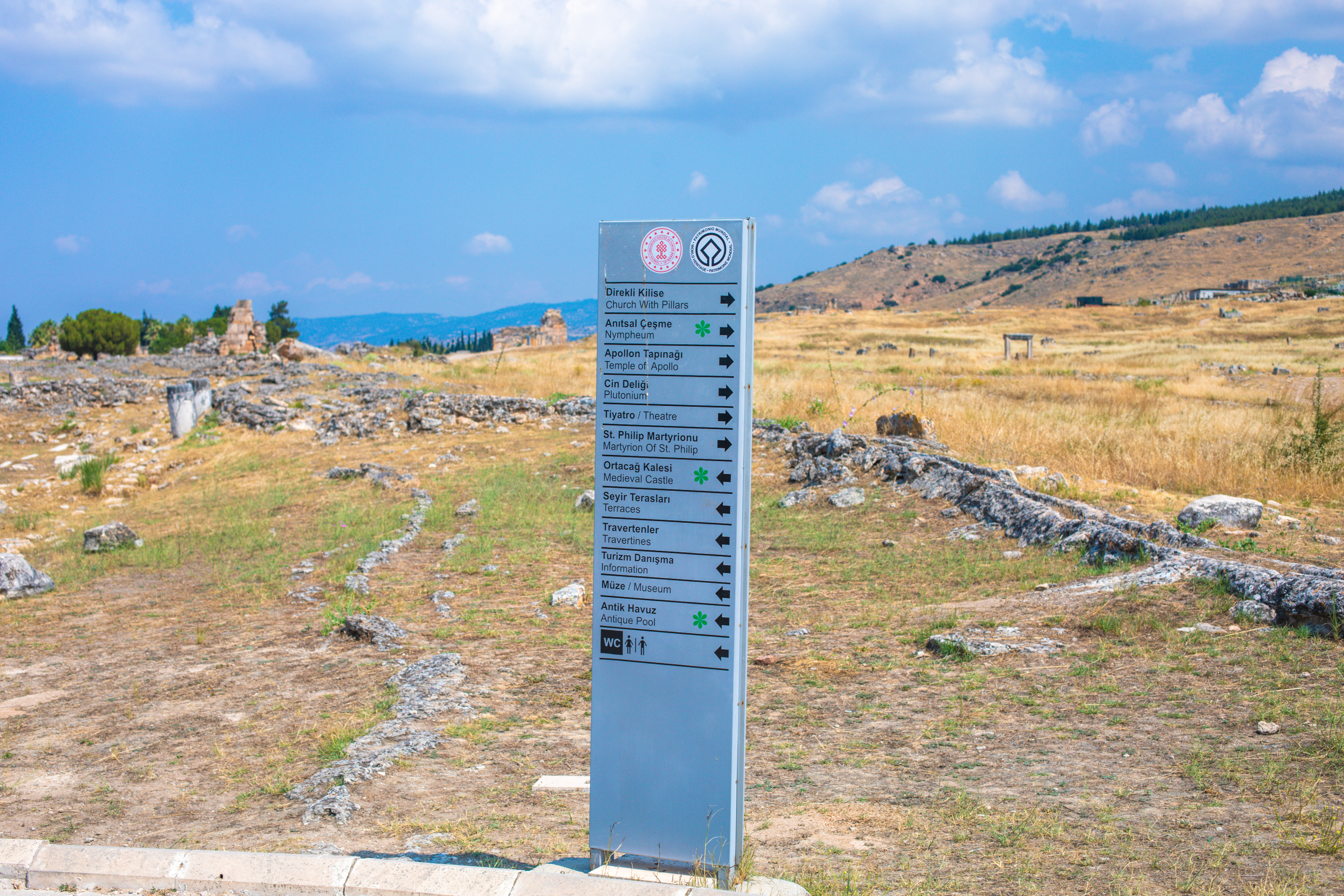
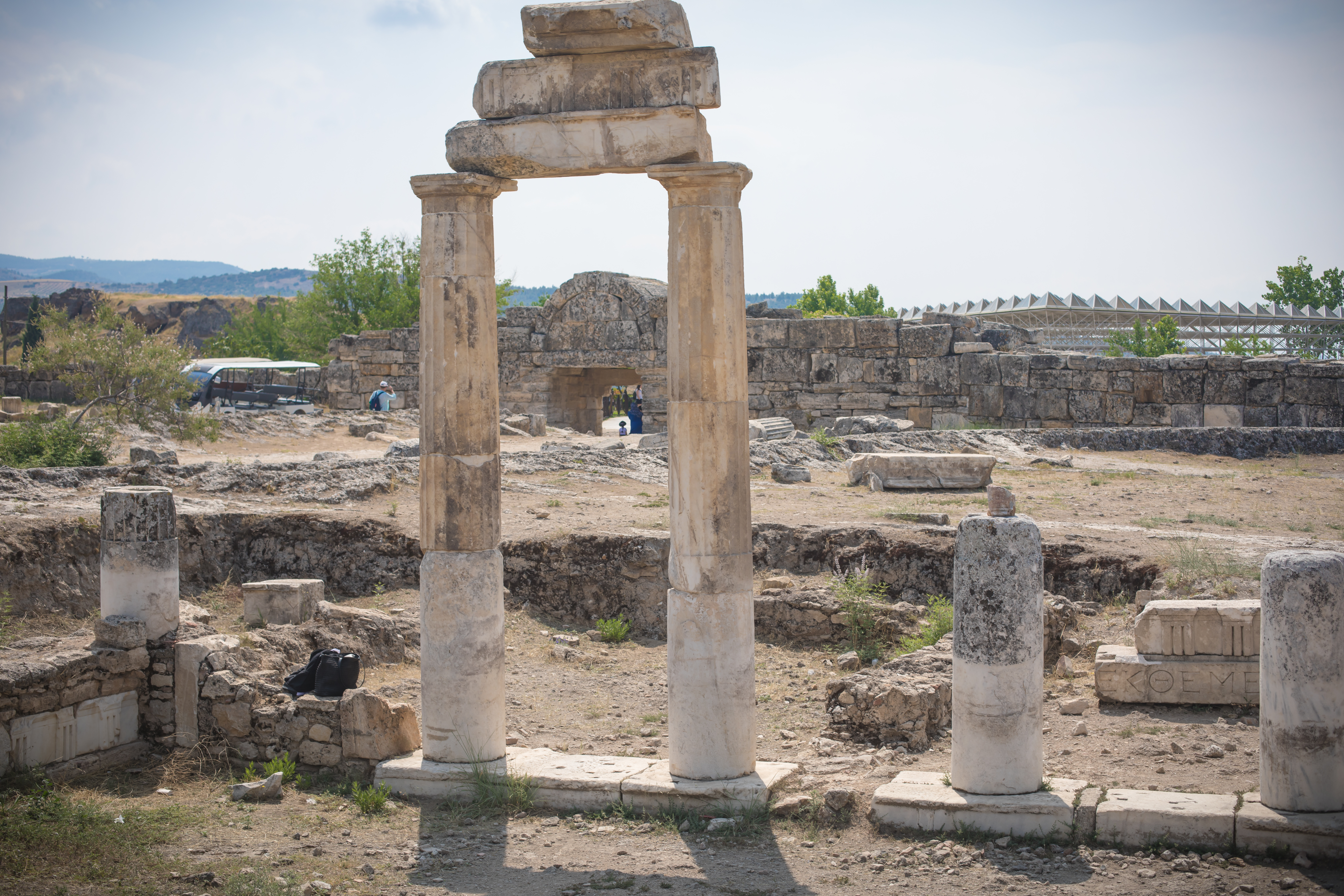


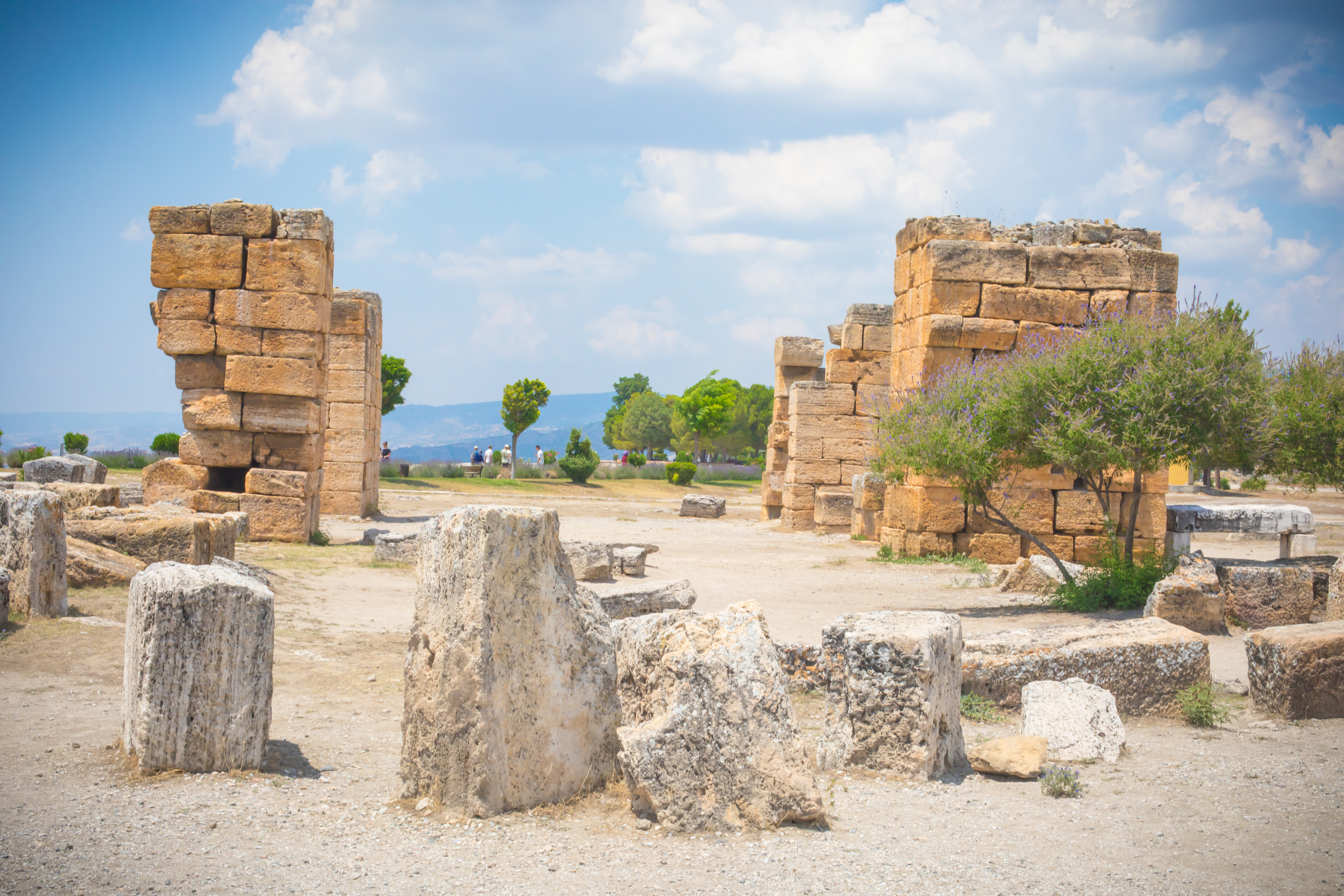
Antique Pool
This place was interesting. As mentioned above, thousands of people used to flock to Hierapolis in Roman times when it was still a thriving health center. The mineral-rich waters from its hot springs were said to benefit people with skin diseases, circulation problems, rheumatism, heart diseases, and other ailments.

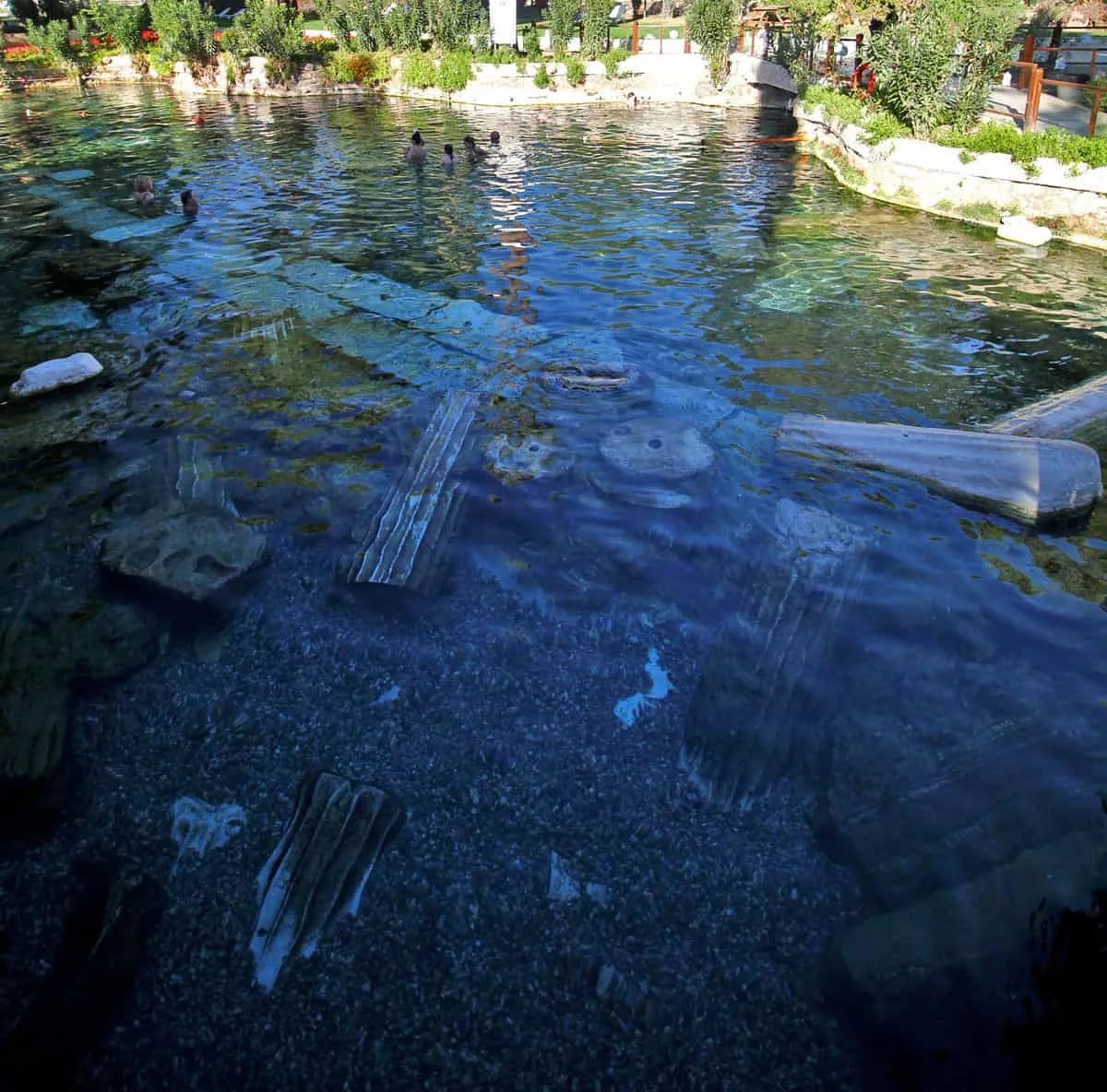
Refreshed by a steady inflow of warm calcium-laden mineral water, what makes the pool unique are the marble columns, capitals, and plinths that litter its bottom. Can you see them? They date back to the 2nd century BC and are remnants from the nearby Temple of Apollo.

Over 2,000 years old, a massive earthquake in the 7th century AD toppled these columns into the pool where they rest to this day. Pretty amazing right? Where else in the world can you swim with actual Roman columns dating back to before the time of Christ?
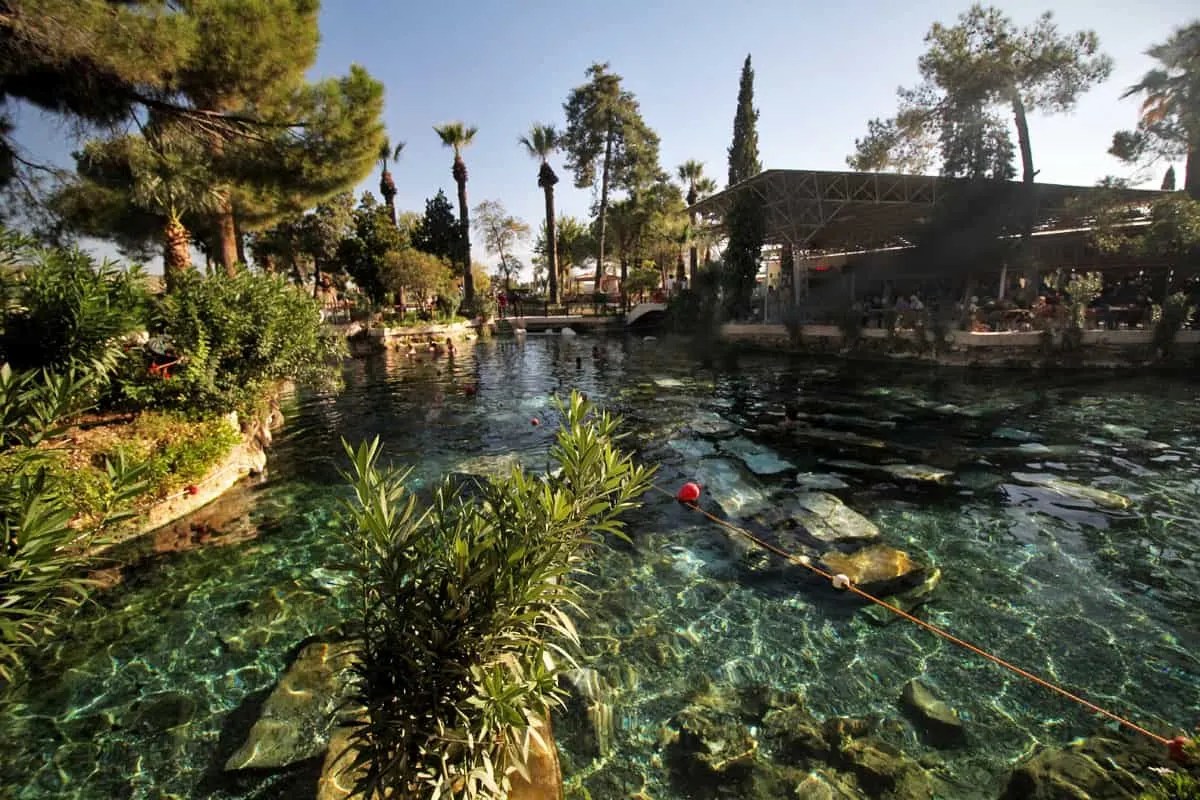
Another look at the columns. We brought swimwear but we were short on time so decided not to swim. Entrance to the pool complex is free but you’ll need to pay a fee to get in the pool. It costs 100TL for bathers ages 13 and over. Locker rental is an additional 5TL.
It’s important to note that towels aren’t provided so you’ll need to either buy one there or bring one yourself. Towels sold at the pool are pricey so it’s best to buy one in Pamukkale or Denizli instead.Surrounded by lush greenery, the pool is of varying depth and the water comfortably warm so you can swim any time of the year. The pool gets crowded during peak seasons though so a good time to go would be around early winter. We went during the first week of November and as you can see below, the pool was practically empty.
Hierapolis Archaeology Museum
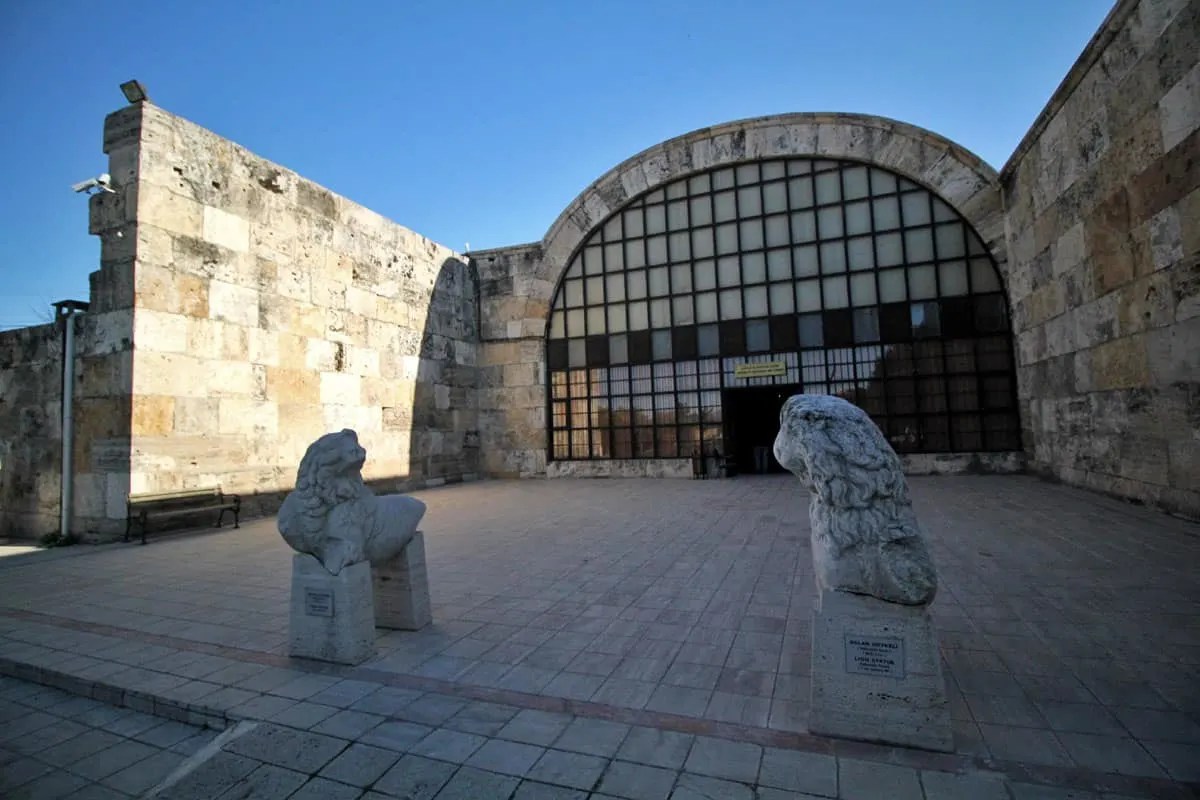
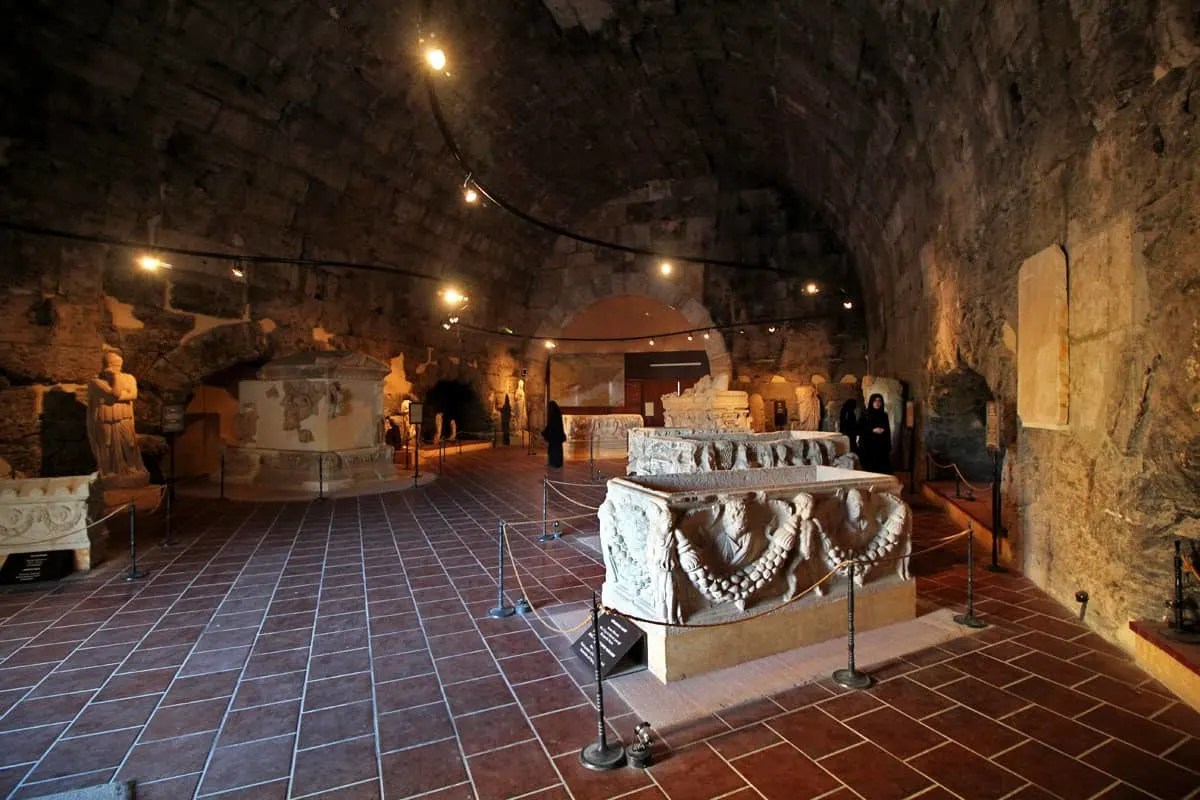
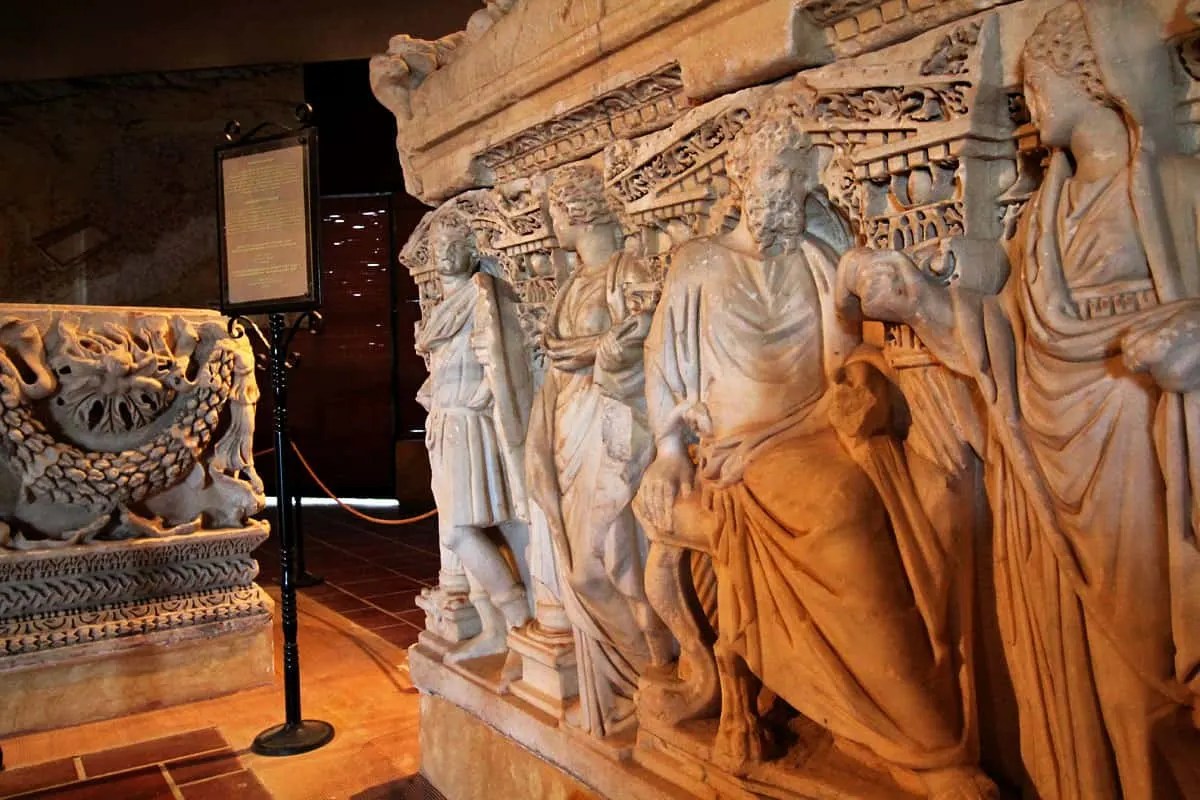
Housed in former Roman baths, on display at this small but interesting museum are historical artifacts from Hierapolis, Laodicea, and other archaeological sites. Admission to the museum is 8TL.






 Tulan Hayat
Leave a comment