
Day 1: Me, my wifey Titlee and our 3 year old son Azlan decided to visit the land of the thunder dragon. Only one airline goes to Bhutan from Dhaka, Bangladesh and that’s Druk Air. I got a discounted fair, 23,500 BDT for adults and 17,000 BDT for Azlan. You can not book the flight through any other agencies but from the agency below. Ms. Aleya Nasrin did the booking and emailed me the tickets. I deposited the total amount to their assigned bank account the following morning.
Bangladesh. Phone: 01750835785
With tickets done, we were really excited about the mountainous land locked country. We headed to the airport on the morning of 19th October. The check in was prompt and we were ready to board. The air craft was a 13 year old Airbus A319-100. We departed on time and just for the thrill of landing at Paro International Airport in Bhutan, people should visit the country.

I knew beforehand that from the aircraft we could see the Himalayan Mountain Range as I did extensive study prior to flying. Since we were late at check in, it was difficult to get 3 seats together. We got two seats in the middle and one on the isle. There is really something called Karma. This Australian dude must have done something wrong recently otherwise why would anyone be unfortunate enough to get window seats on the wrong side and miss out on seeing the Himalayas on both occasions (to and fro). Now coming to the story of the Australian. Traveling from Dhaka, the mountain ranges are to the left of the plane. We sat at the left side of the aircraft and Titlee was seating in the window seat. This Australian guy comes up and says the seat is his. Which actually was correct. It was his seat but all three of us wanted to seat together. He also said, he requested to be given a window seat so that he could see the Himalayas. Apparently there was a nice Chinese lady seating on the right window seat in the same row. She overheard our conversation and asked the Australian dude to seat in her window seat on the right, the Australian dude promptly agreed but little did he know, he would be denied the chance to see the Himalayas. The flight was smooth and was about 45 minutes. Distance from Dhaka to Paro is about 605 kms and 30 minutes into the flight, the Himalayas were in sight. Poor soul was left red faced. The amazing thing is, on our return flight we did not even want to see the Himalayas, but we were this time given a right window seat and I filmed the entire Himalayan range. This time also the Australian dude missed out since he was sat to the left. Anyways, the thrill of the landing was something to cherish for life. I am not someone who is fearful about flights since it is still one of the safest ways to travel.
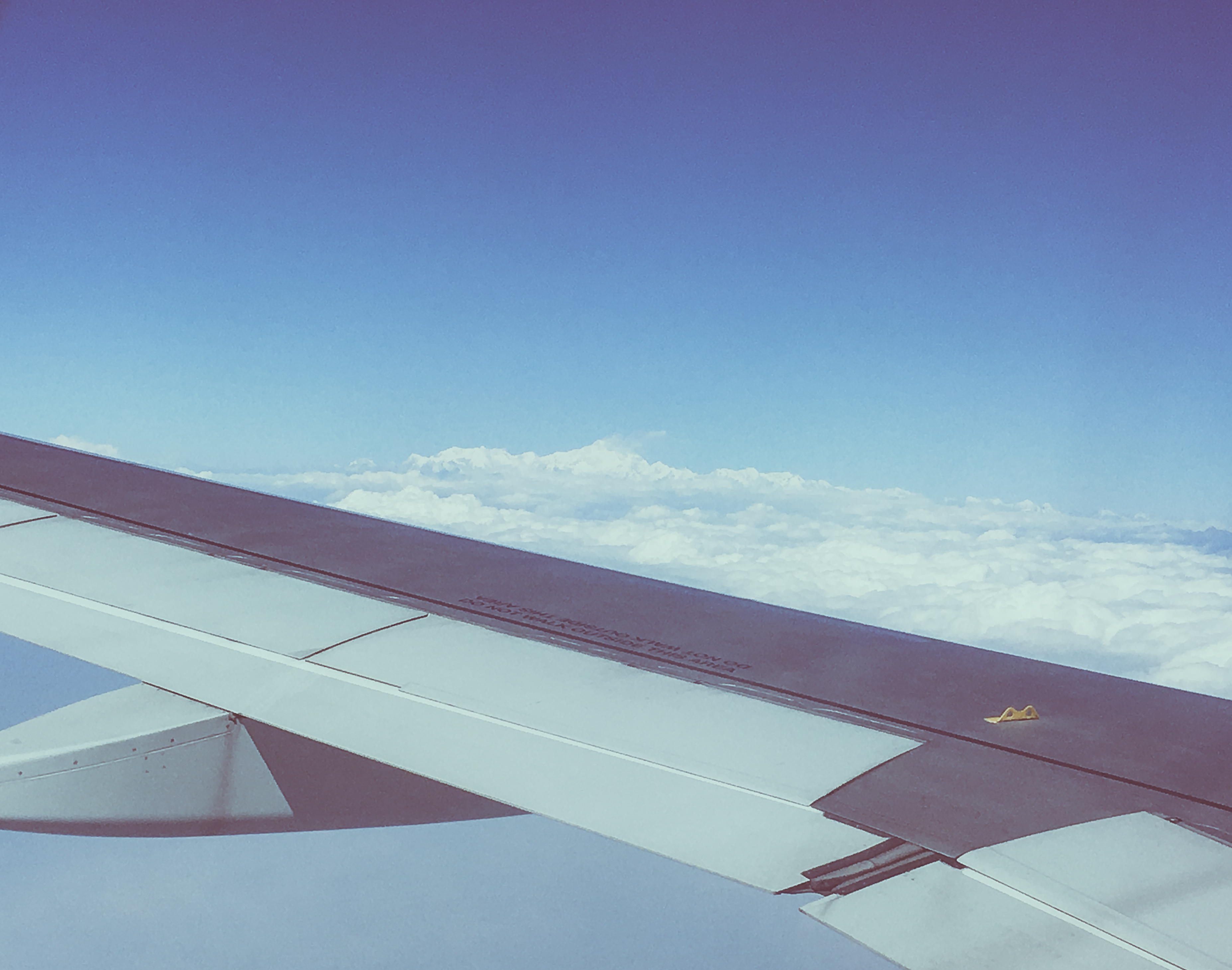
Upon landing and stepping down from the aircraft, you are greeted with fresh cool air from the Himalayas and huge surrounding mountains. Below are some pictures to help you visualize the calm and serenity about the place.

In all honesty, the arrival concourse looked more like a Dzong or a Temple rather than an airport. Very nice Bhutanese architecture with lot of friendly staff and very less visitor. The airport remains closed at night since pilots are guided to the airport by visible instructions rather than depending on instruments for landing. All of the immigration officers spoke very good English.
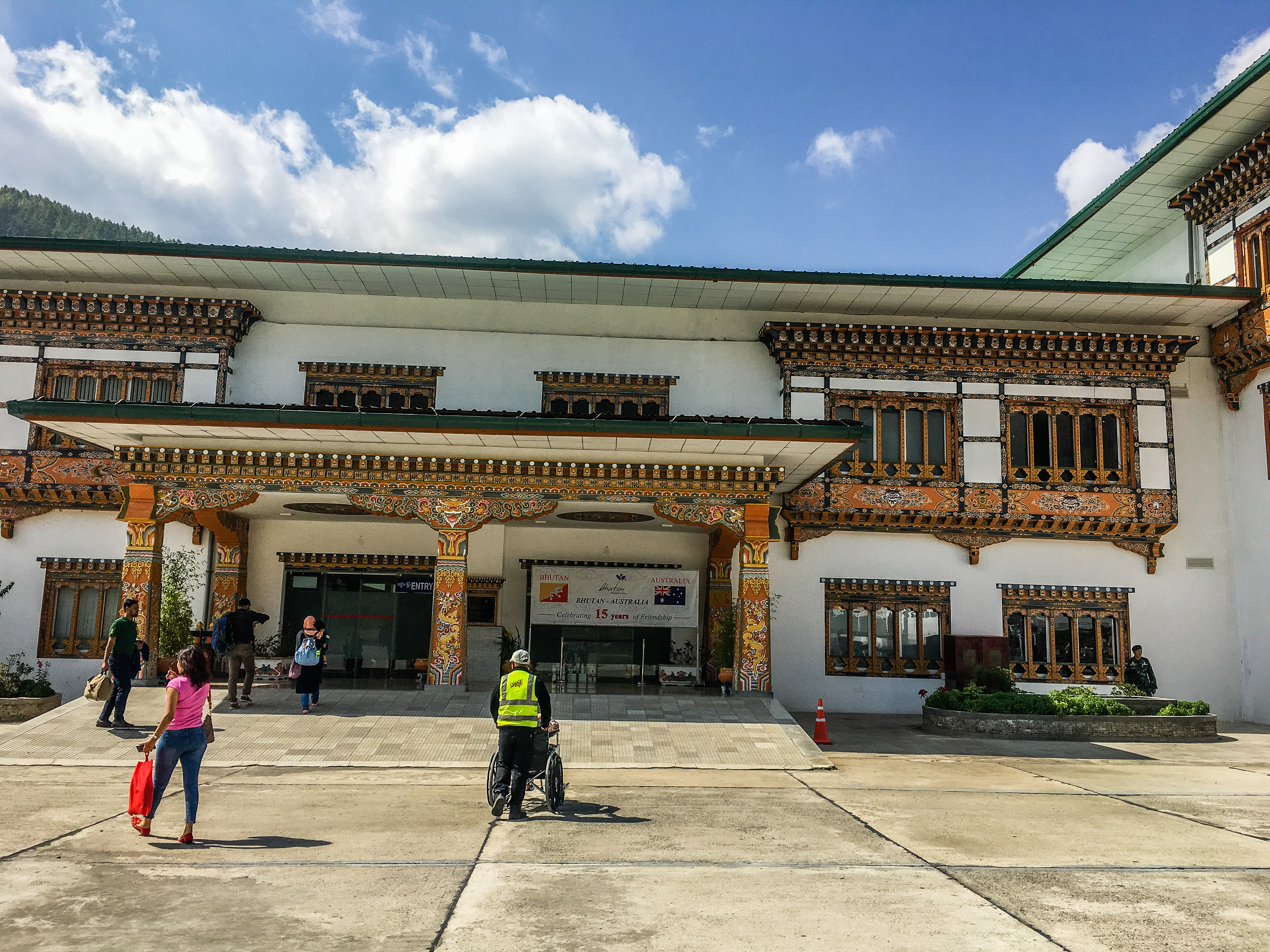

Visa is on arrival for Bangladeshi nationals but areas are restricted. You are only allowed to travel to Thimphu to Paro and not beyond. For, eg. to go to Punakha one must obtain a separate permit from the immigration office in Thimphu. We were unlucky not to have obtained the permission as it was a holiday the day we arrived and I was told by immigration officials that Saturday and Sunday, whole of Bhutan is closed (government offices). Thus we could not visit Punakha and Dochula Pass. There is no visa fee for nationals of India, Bangladesh and the Maldives. However, every other foreign passport holder have to pay $250 dollars per night which includes visa fee, hotel accommodation and transport. This is the Bhutanese government policy in order to restrict the influx of tourists. We booked our hotel in advance. One piece of valuable advice is that, change some money at the airport because money exchange can become a headache at Thimphu or Paro town. Often you would end up in shops to change money and they offer different rates. The Bhutanese currency is called Ngultrum with the g being silent. 1usd is approximately 73 Ngultrums or BTN.
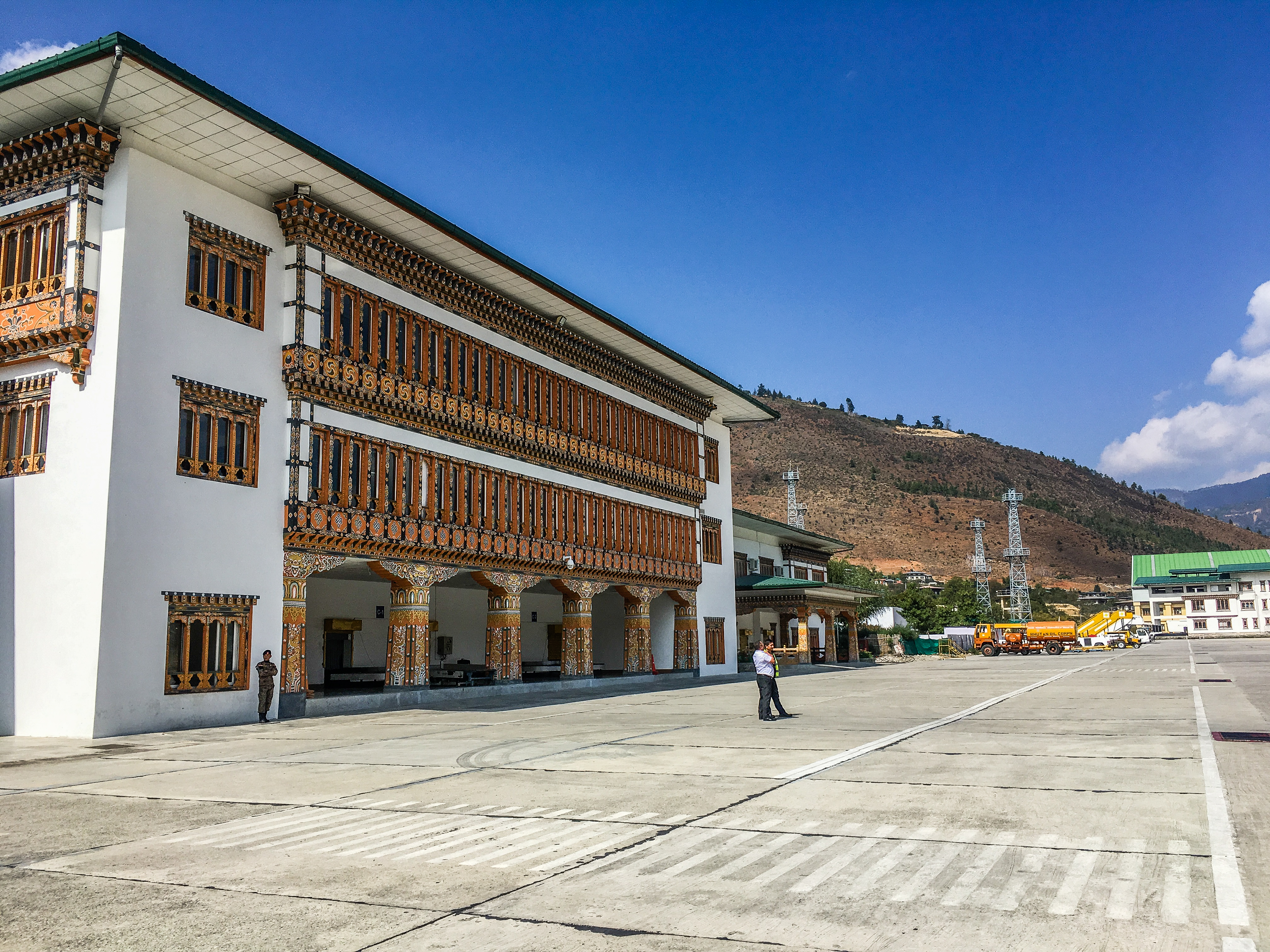
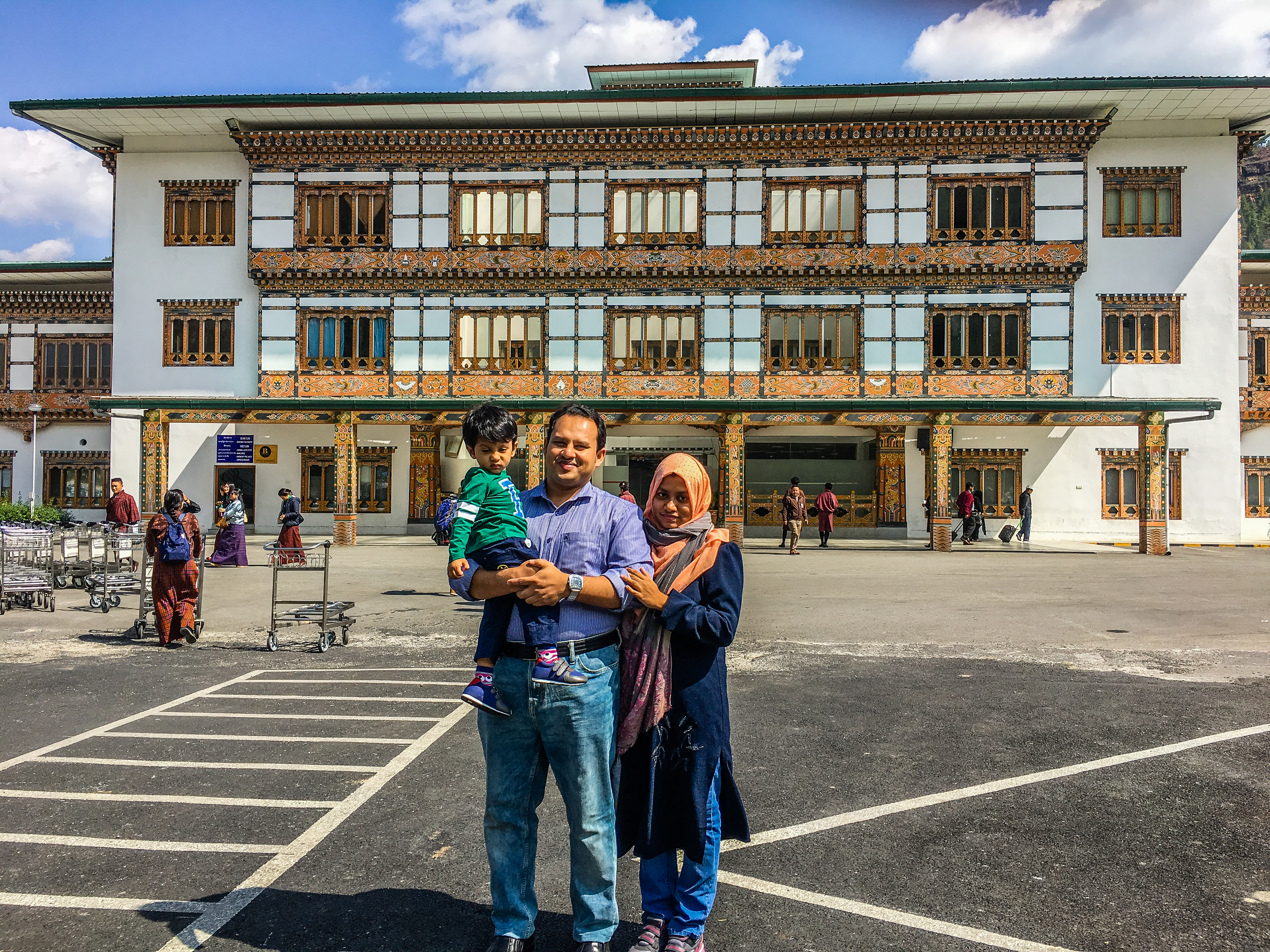
Haggling with taxi drivers outside the airport is customary and the drivers have a syndicate which drives up the fare to Thimphu. Before going, I contacted the hotel about shuttle to Thimphu and was told it would take 2600BTN for the route. I read online the fare from Paro airport to Thimphu is about 800-1200 BTN so I was not ready to take the hotels taxi service. I decided to try my luck at the airport. It turns out, it is all syndicated and no taxi driver would go to Paro below 1600 BTN. So make sure you bargain well and ask around to see how much fare the other drivers are willing to go with.
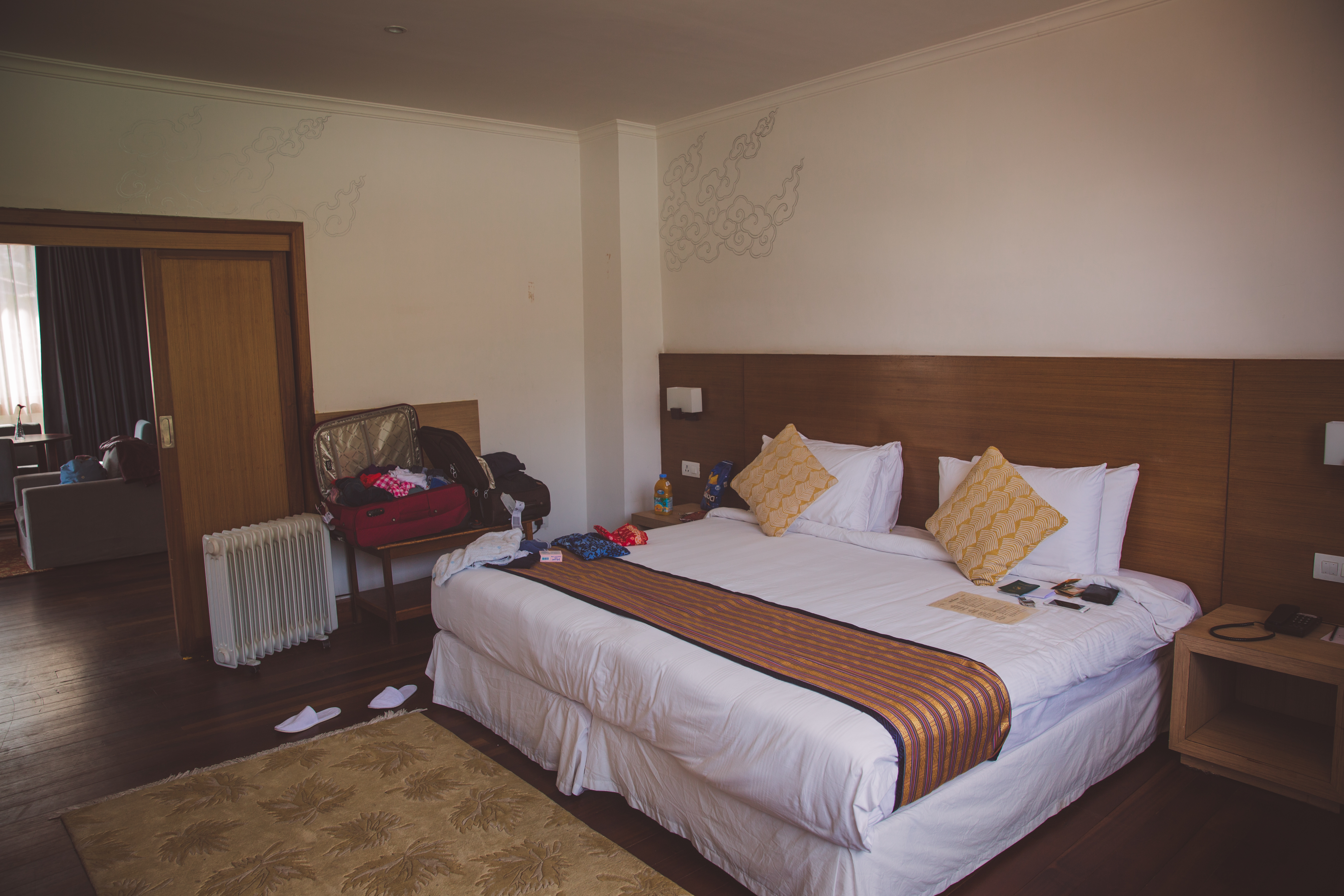
We booked hotel Osel in Thimphu which was good given that we booked the Suite. It was very big and worth the money. We had lunch upon arrival which was pricey obviously given it was restaurant of the hotel. If one is a practicing Muslim, it is very difficult to find halal food in Bhutan. We had to live of vegetables and rice most of the days. Only on the last day in Paro, I found out about a restaurant that served haalal chicken which is described in Day 3 below.
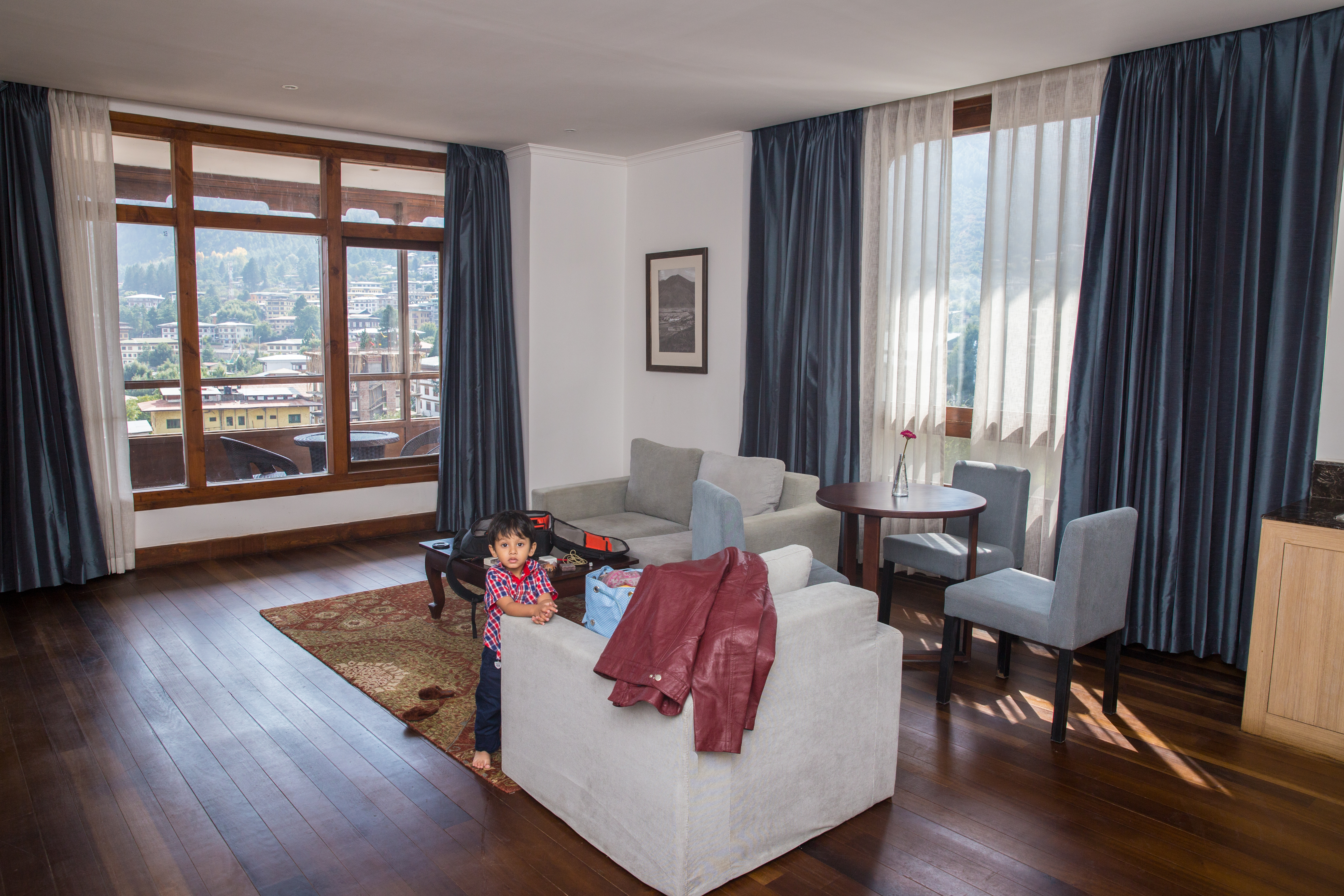
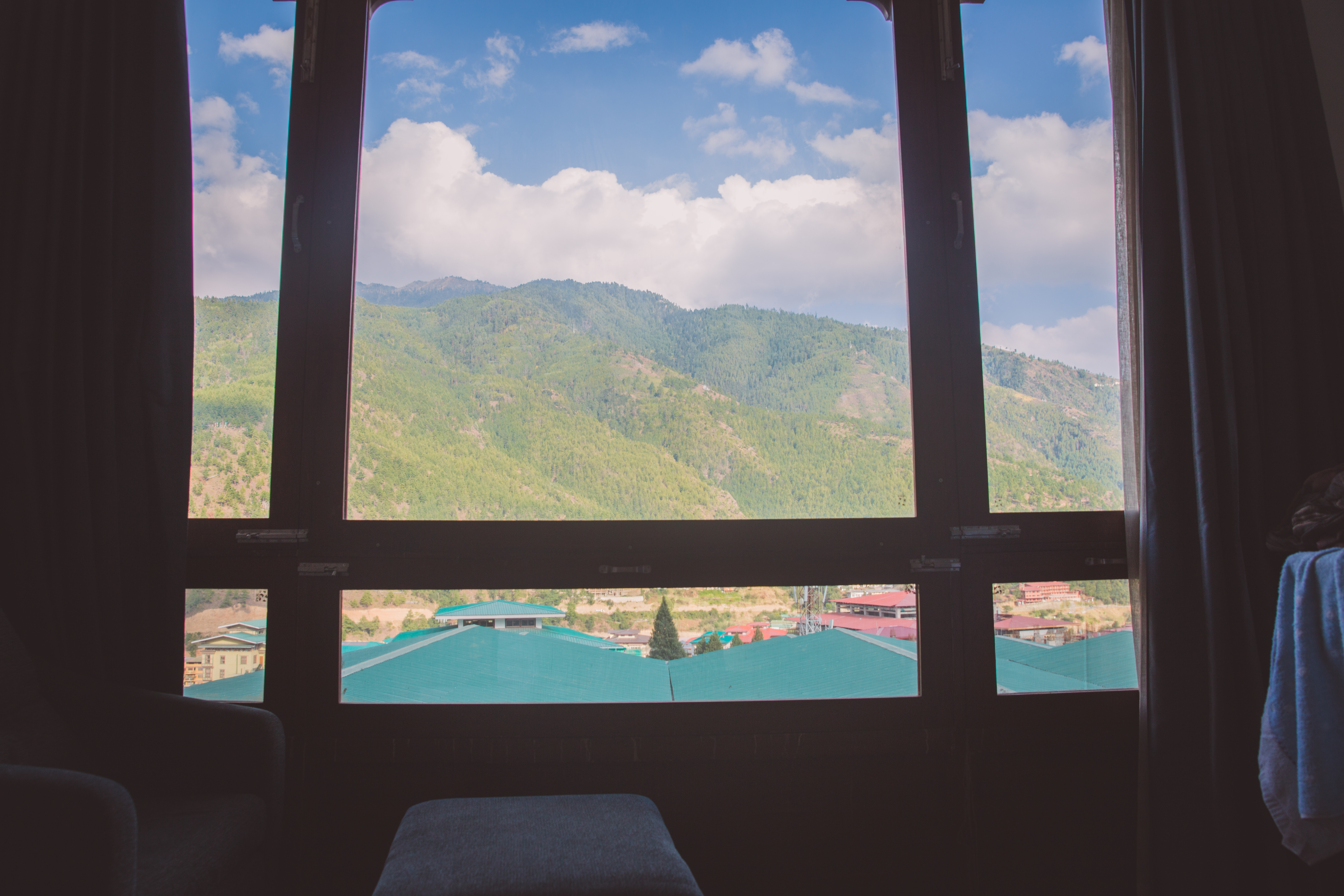
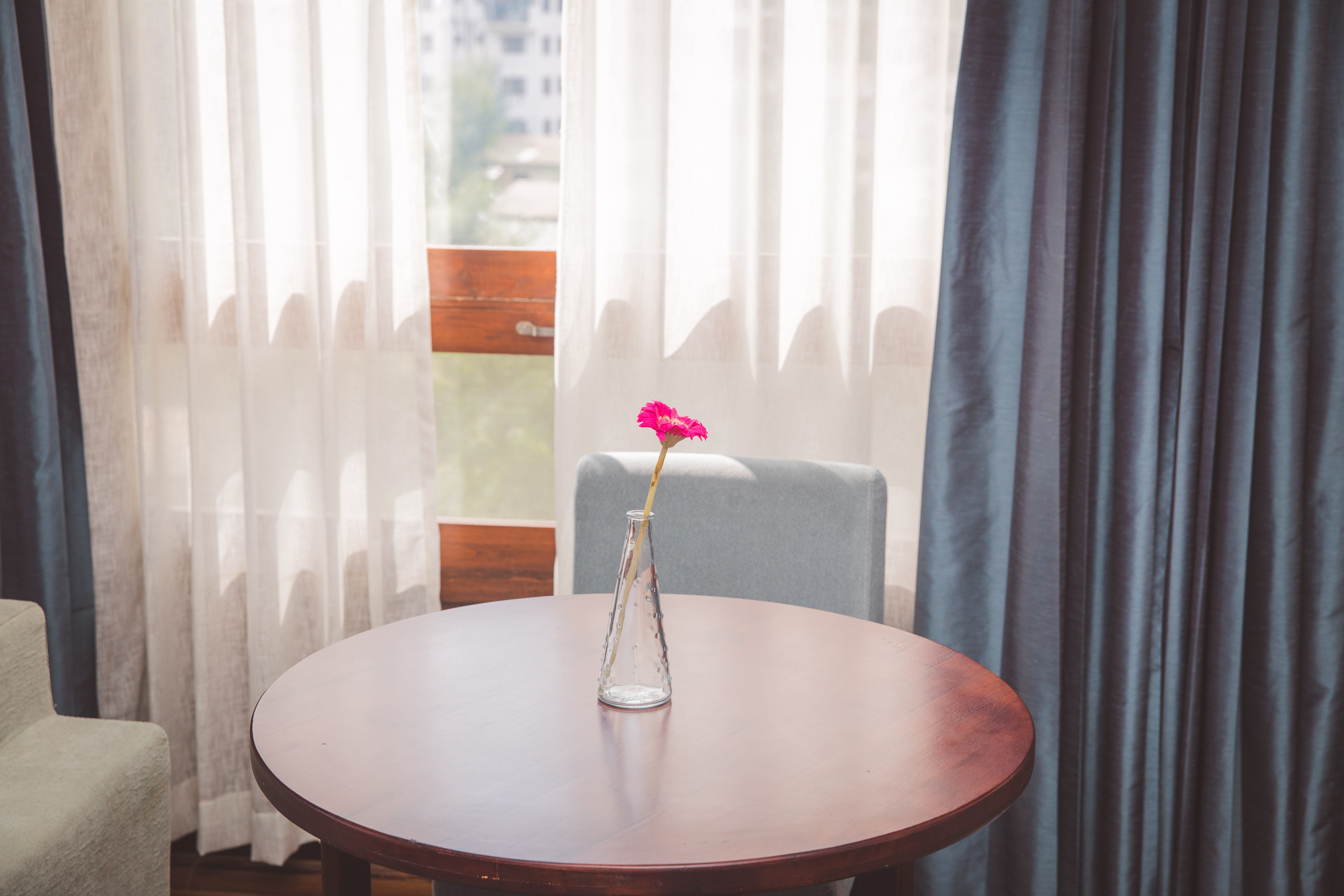

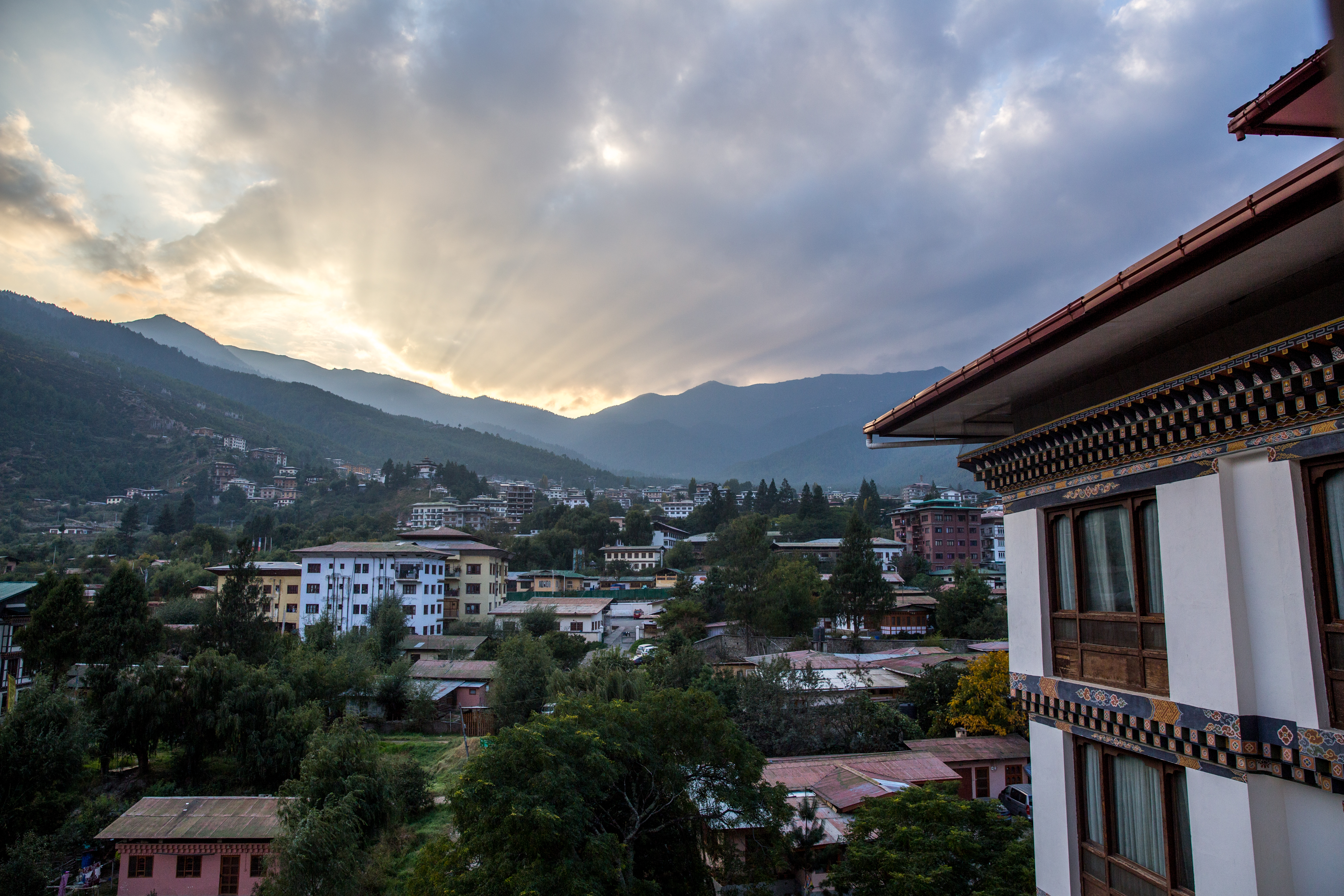

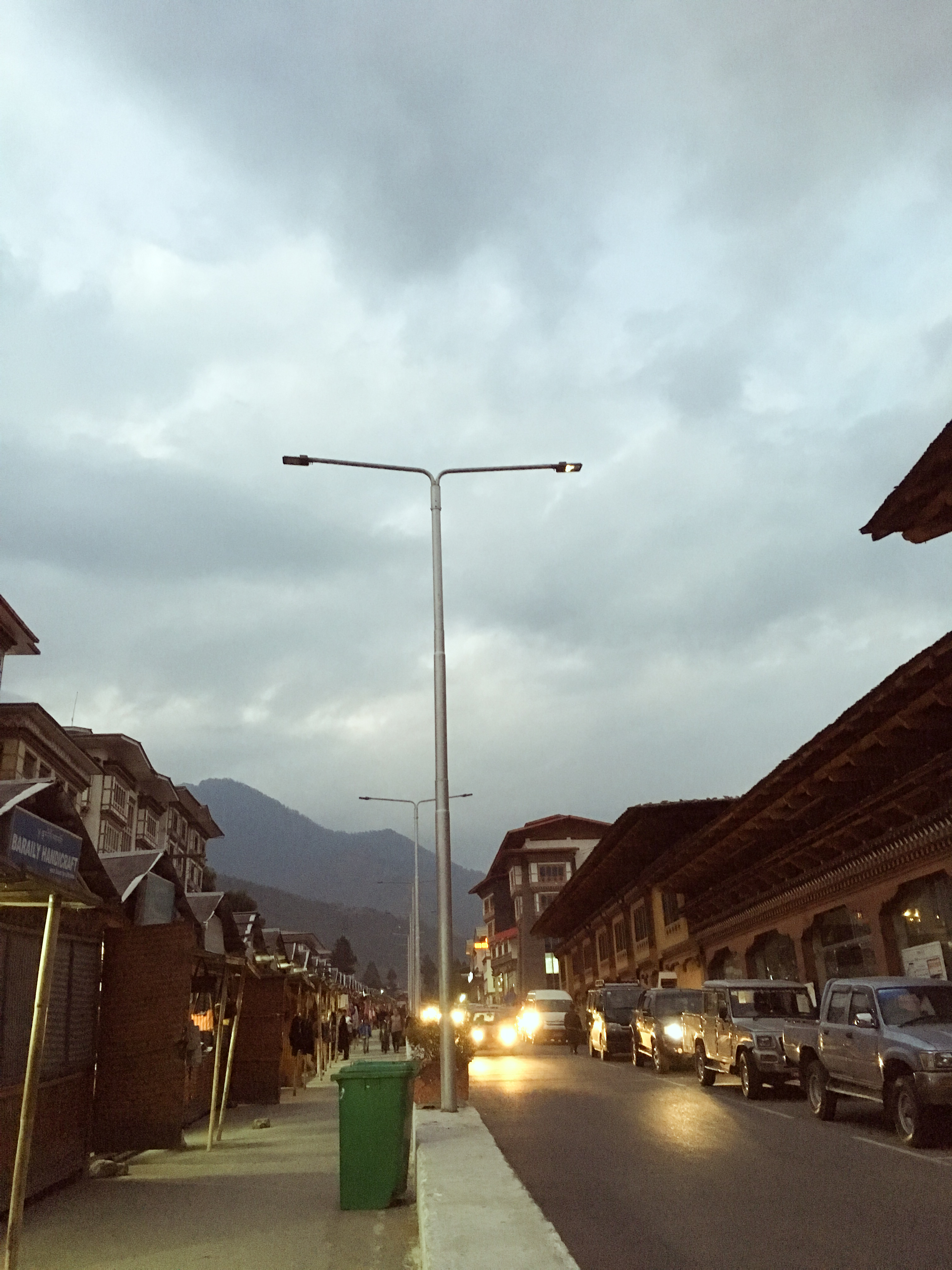
 The rest of the afternoon was spent relaxing. And in the late afternoon, we went to the local road side market to do some shopping. The Wifey has a habit of collecting fridge magnets wherever she goes. You have to bargain but things are cheaper here than at the malls or other markets. Also the quality must be checked. Among the items, there are lots of colorful and good quality hand bags locally crafted.

Rest of the evening was spent relaxing as I watched football, a match between Manchester United and Chelsea in the English premier league and the Wifey was busy with Azlan. The advantage of having a large room is that, Azlan got the freedom to move about and he enjoyed a lot. So with kids, it is recommended you book a large room.
Day 2:
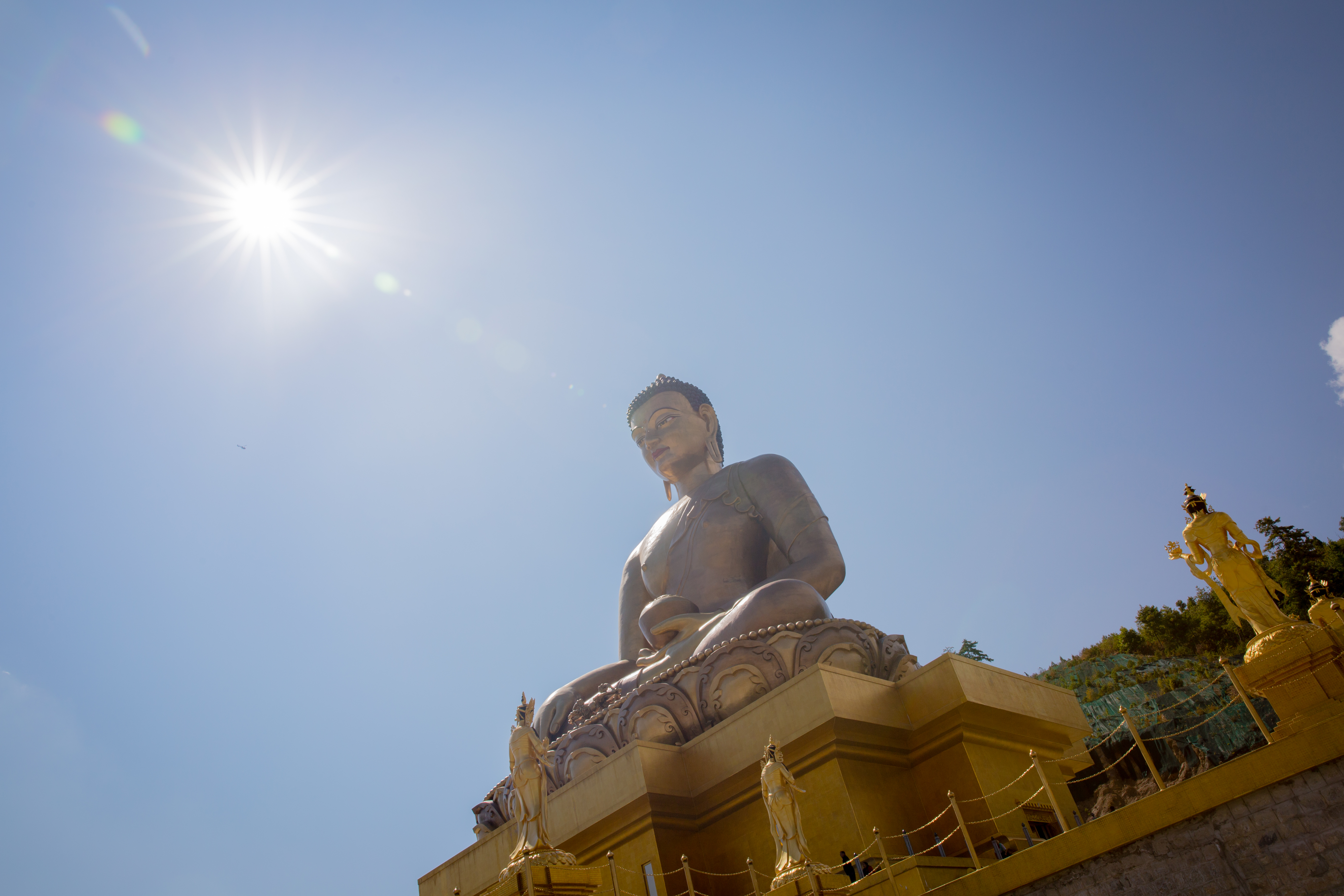
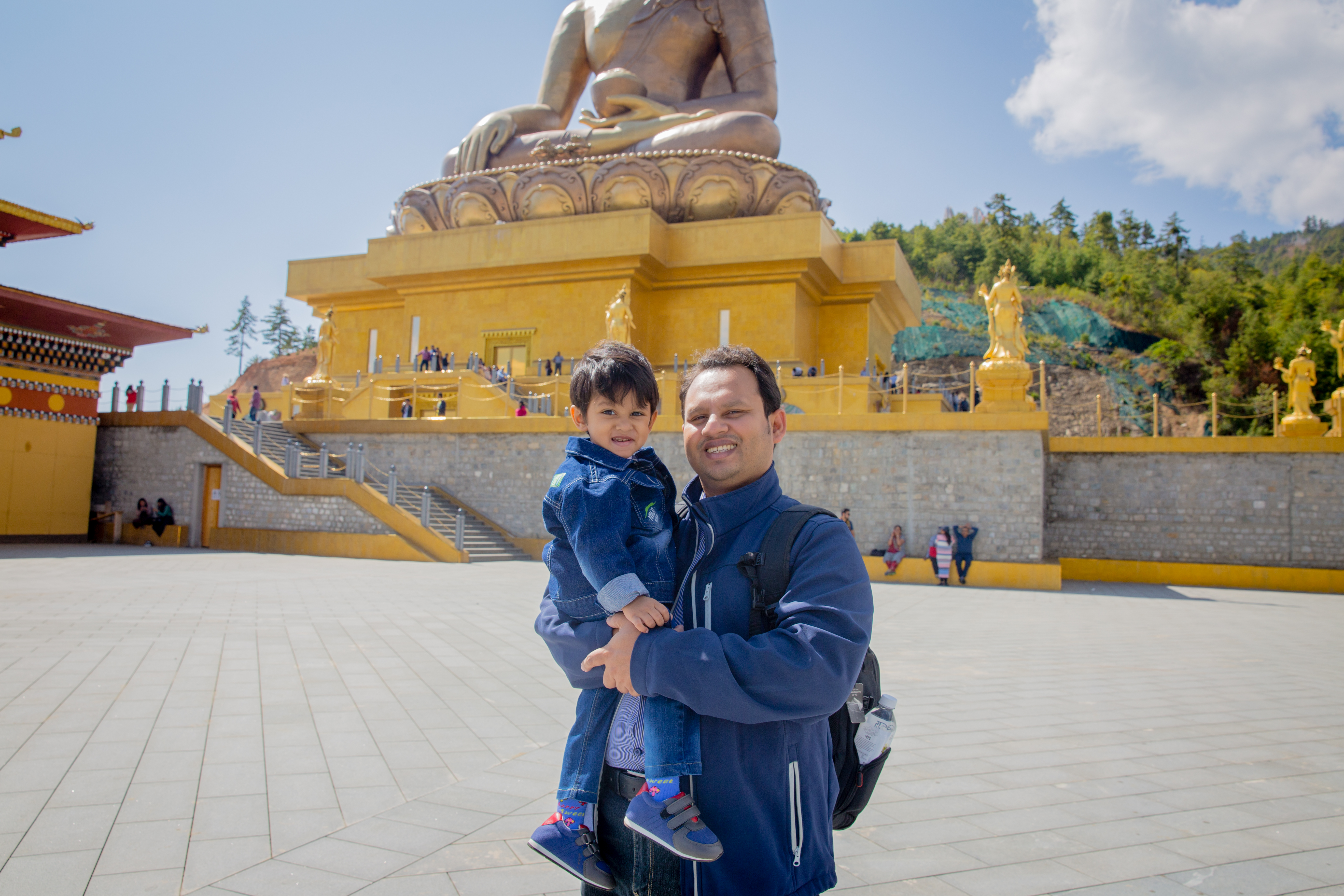
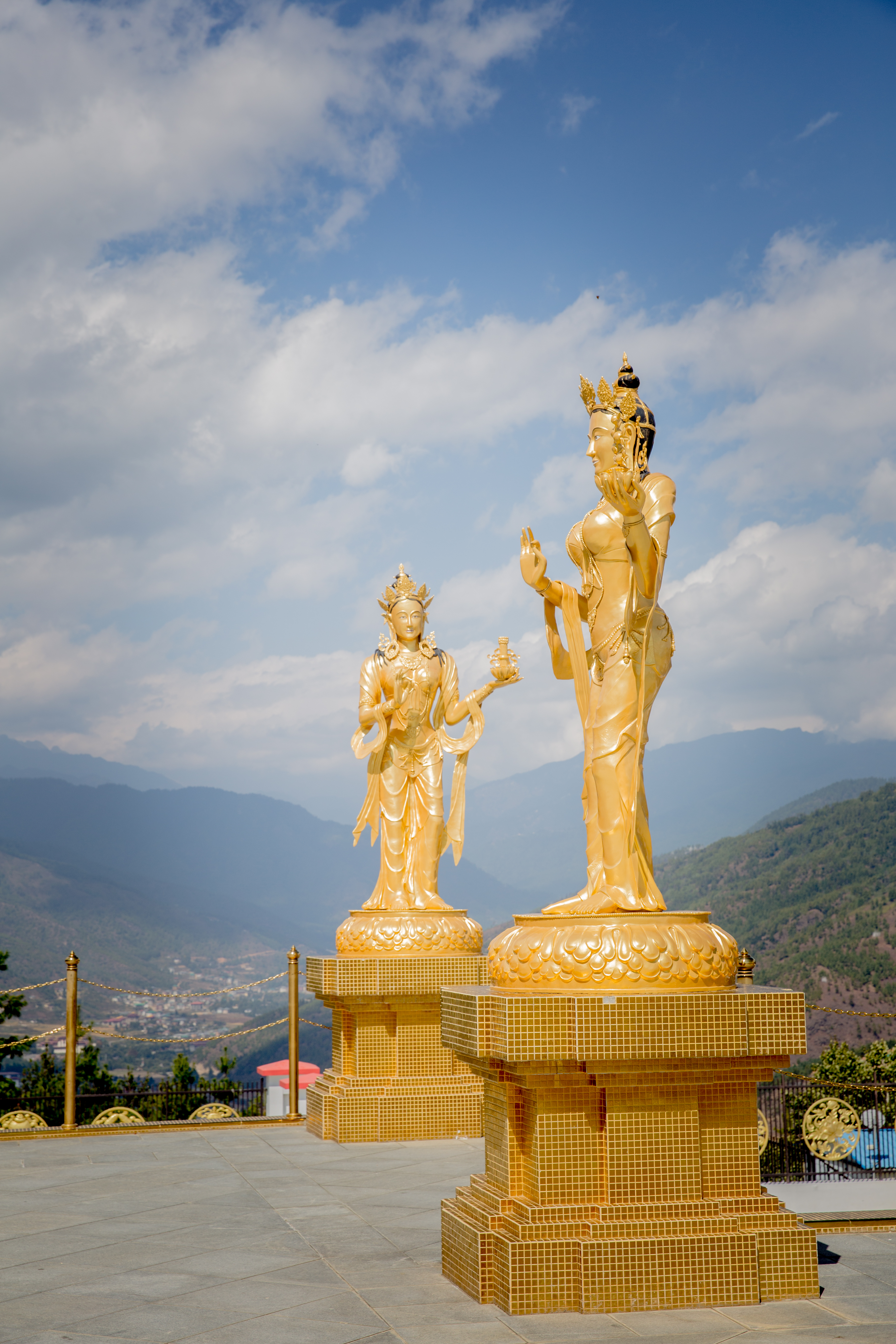
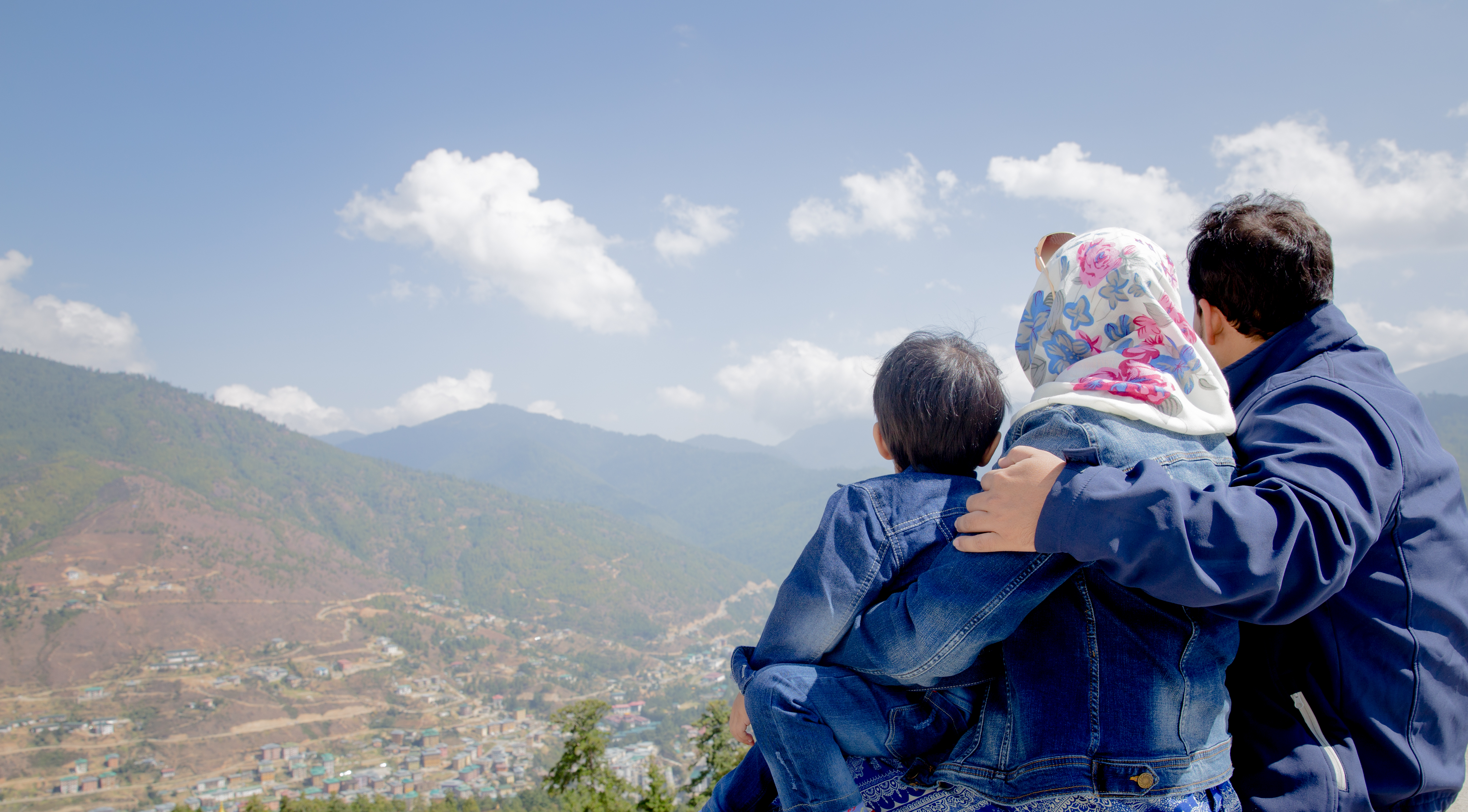
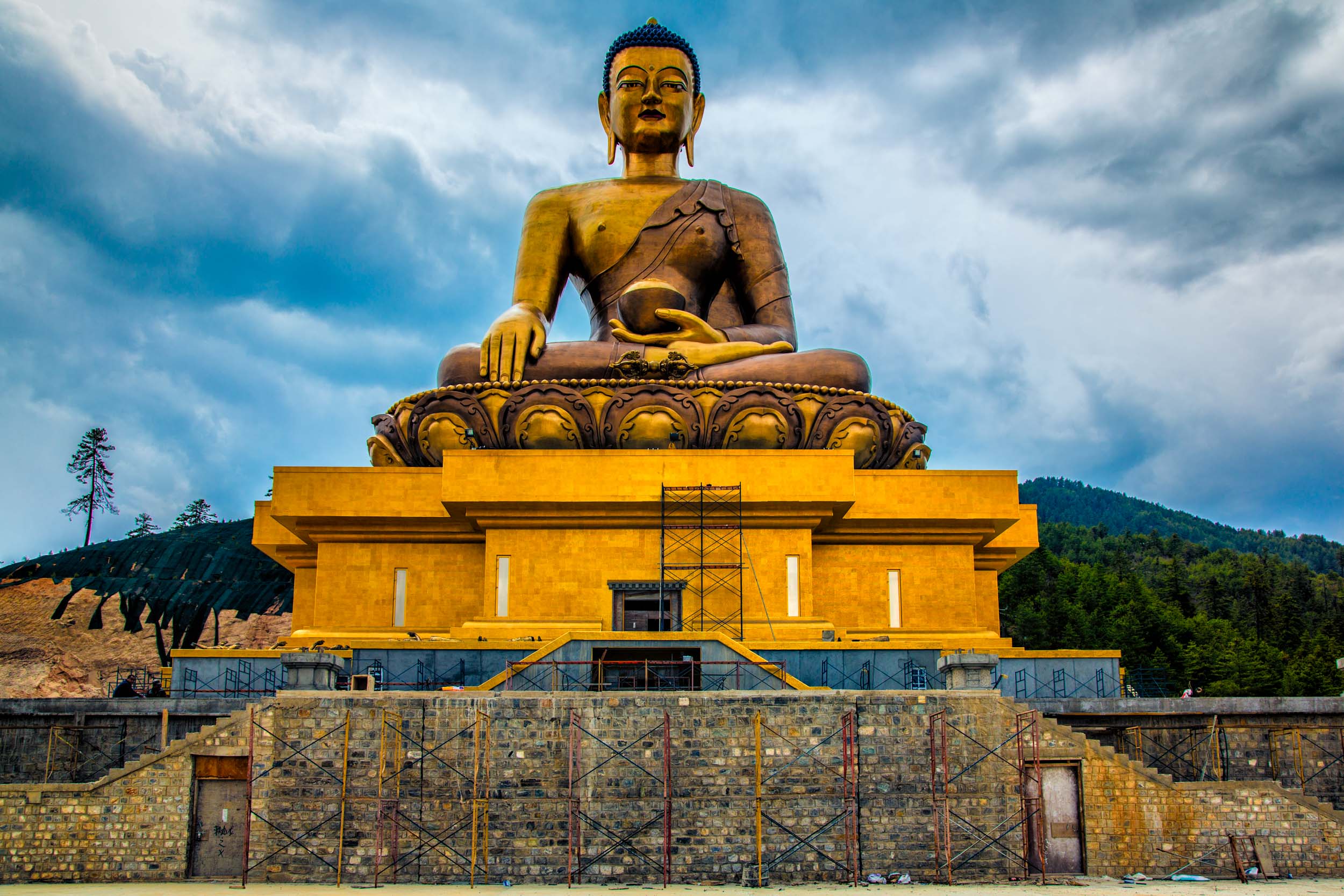
Since Bhutan is a mountainous area, it is imperative that you choose a car which is good and new. The roads are pretty good but can get bumpy at times. Preferable are the brand new Hyundais and Maruti Suzukis. I spotted Nissan Xtrails as well. Try avoiding the old cars as they have worn out shock absorbers and you will feel the bumps even more. Also selecting a guide is very crucial (drivers act as guides, some speak very good Hindi and almost ALL of them to my surprise speak English very well) as they will give you detailed info wherever they take you. Bargaining is a must. During peak season, to visit places around Thimphu, charges would be around 3000 – 3500 BTN and off peak season 2000 – 2500 BTN. You can contact Mr. Sonam +975 177204061 (he is a good driver but a very lazy guide) or Mr. Jam Yang +975 17622855 who speaks fantastic English. Peak season is from Oct-Dec when there are sunny days and cooler nights. January and February are colder months sometimes covered in snow. March till May is the spring season with pleasant weather and is also the time when the famous rhododendrons blood spectacularly, flooding the valleys with color. If you are travelling with children, specially a young kid of 3 years of age (almost), it becomes difficult to start any journey early in the morning since the baby needs to be looked after. We started the second day around 11 am as we were told by the guide we could wrap everything up by the evening. We first headed to Dzong on a hilltop but we were not so much into visiting the temples so we opted out. We went to Buddha Dordenma, a gigantic shakyamuni Buddha statue in the mountains of Bhutan. More detailed description is given below.

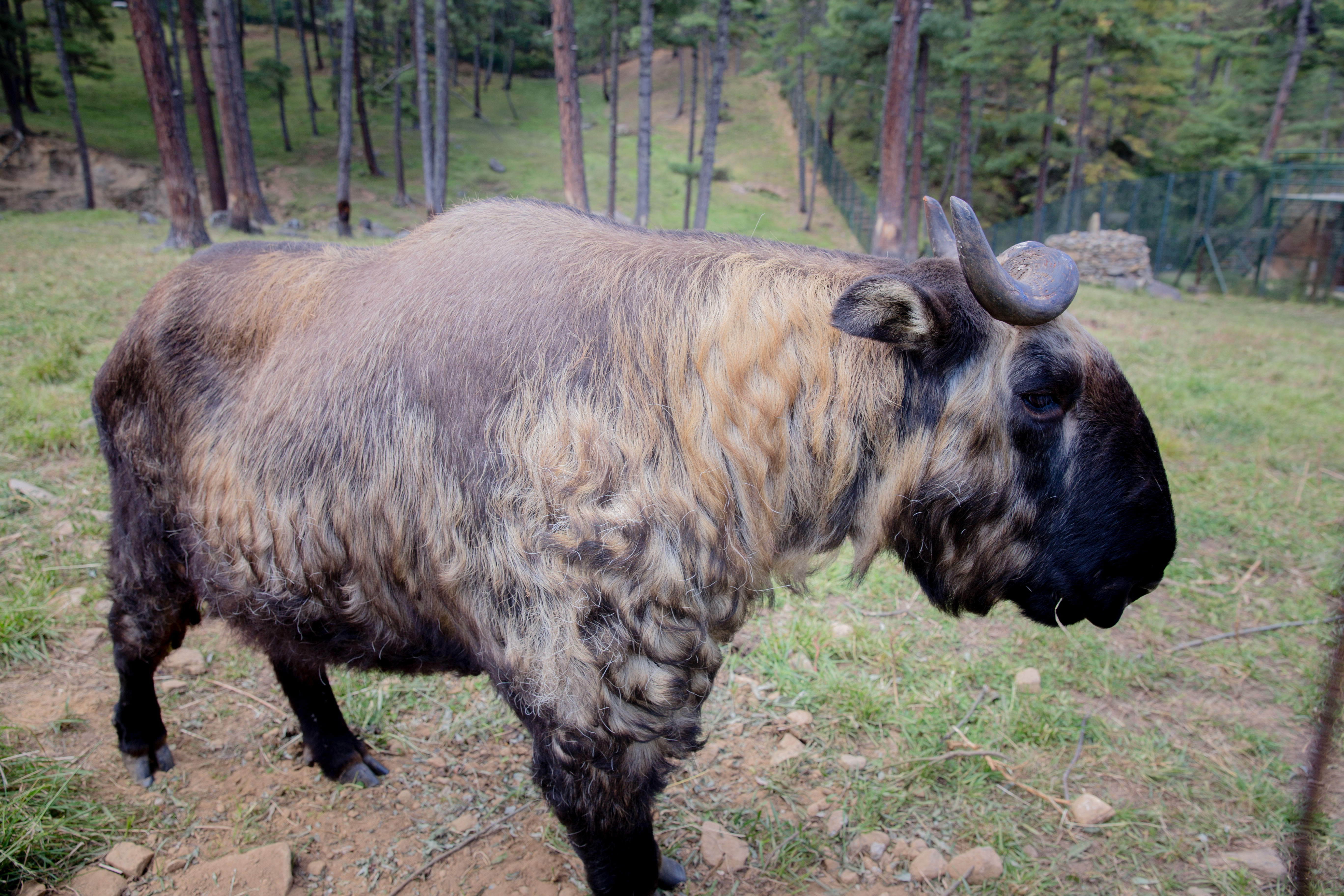
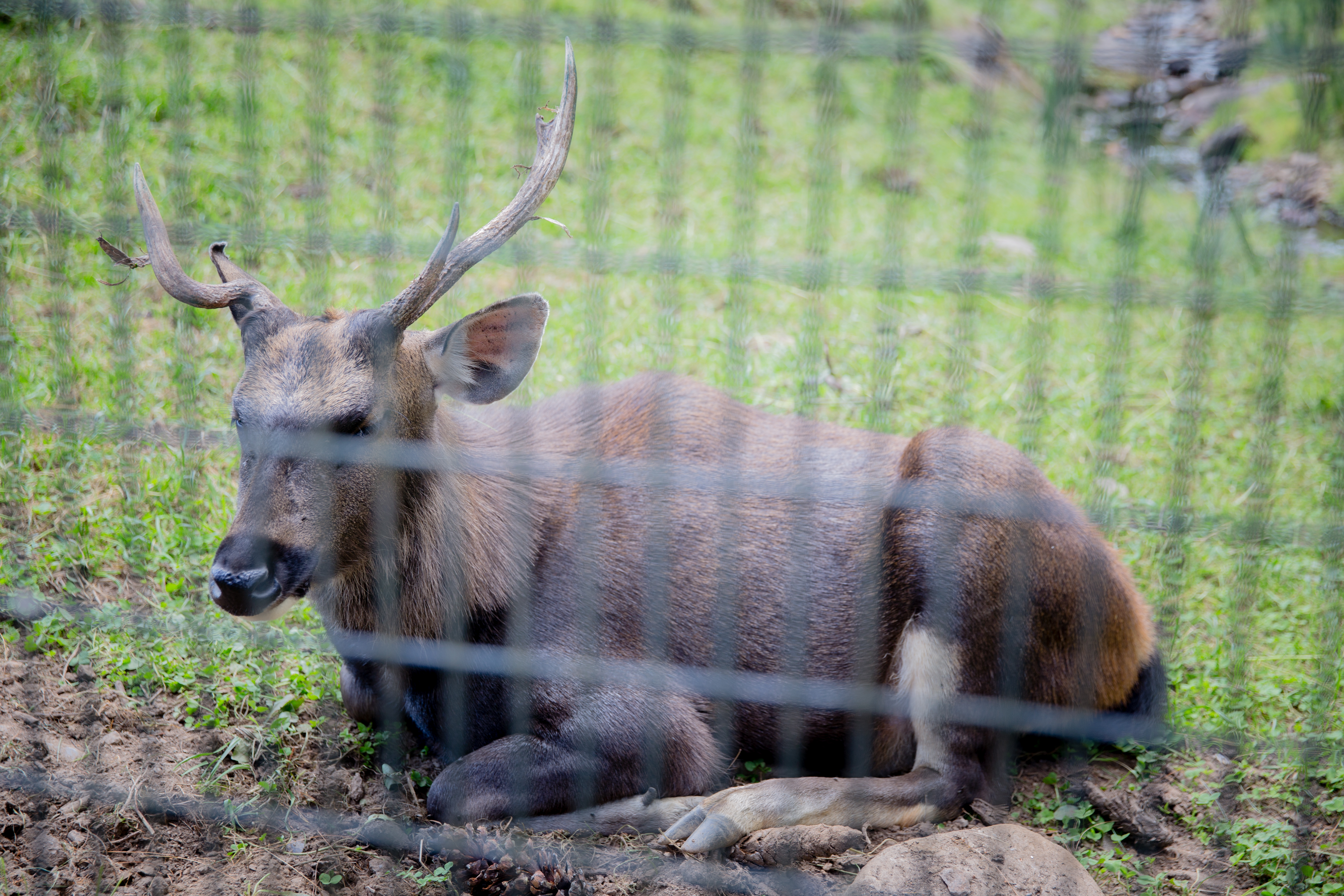
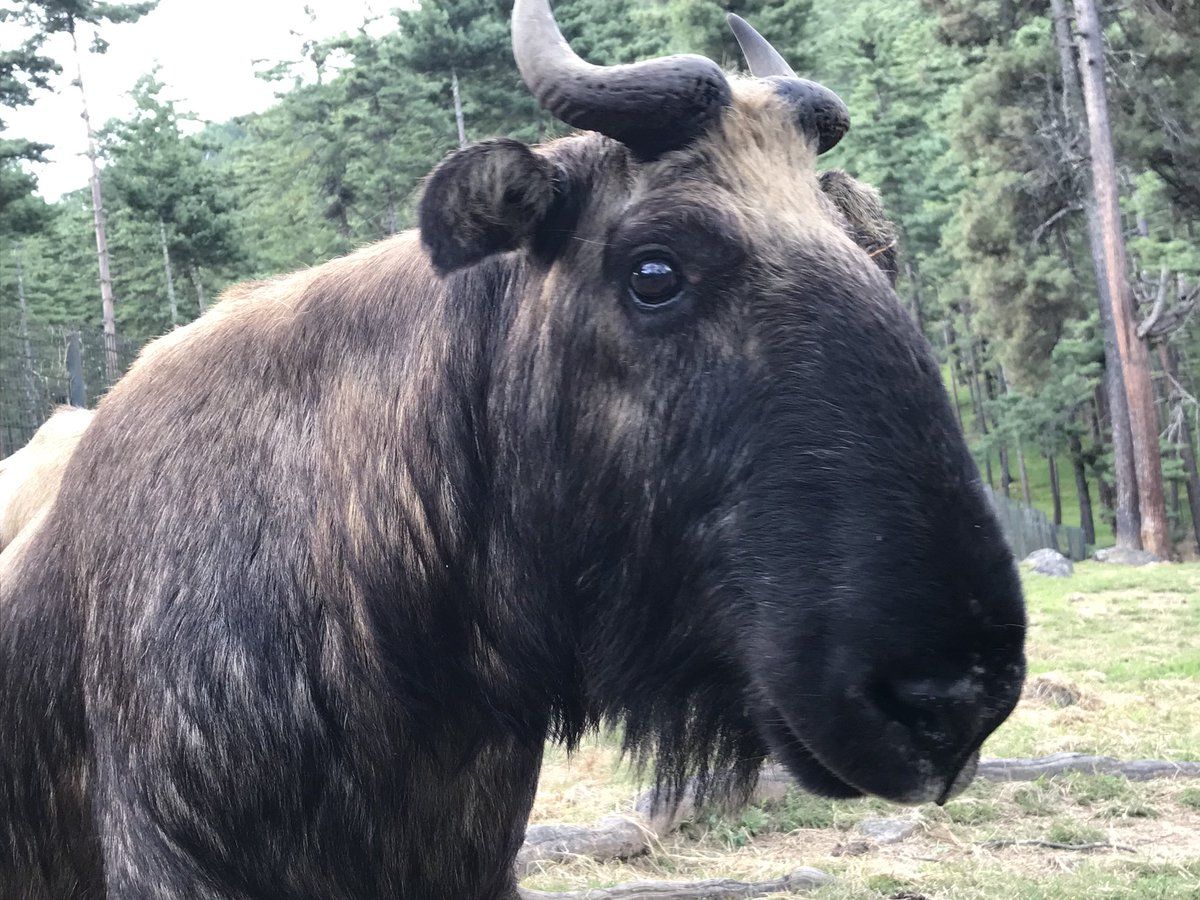
From their we went to the Takin reserve. Takins are a hybrid of cow and giant goat and is the national animal of Bhutan. The takin also called cattle chamois or gnu goat, is a goat-antelope found in the eastern Himalayas. In Bhutan, Takin are found in bamboo forests at altitudes of 1,000 to 4,500 metres (3,300 to 15,000 ft), where they eat grass, buds and leaves. Azlan enjoyed a lot seeing the takins up close and personal. There is a sweet way of him saying Takin which I recorded on phone.


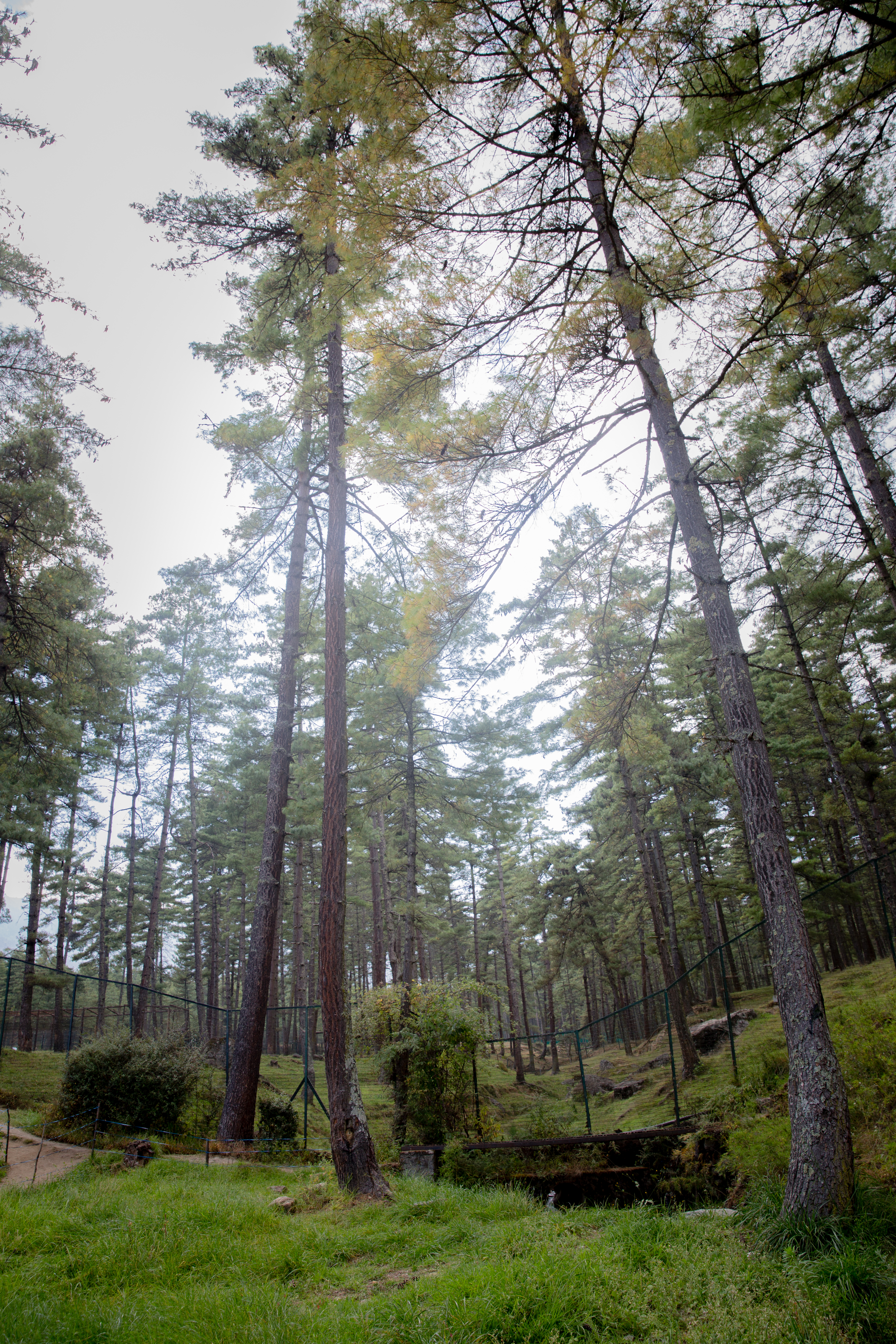
From the takin reserve, we headed to The Memorial Stupa, Thimphu, also known as the Thimphu Chorten, is a stupa (Dzongkha chöten, cheten) in Thimphu, BhutanThe stupa, built in 1974 to honor the third Druk Gyalpo, Jigme Dorji Wangchuck (1928–1972). We didnt want to go inside so we just observed from the car and instead went to the coronation park where we took pictures and Azlan played in the slides. The coronation park was built to honor the current King, Jigme Khesar when his father abdicated the throne in his favour in 2005. It is positioned in the middle of Changlimithang ground and Wangchu River. It is built on an area of 5.6 acre of land running along the banks of river Wangchu. The park was formed by footpaths made of stones, canopies and benches. There are small swings and slides, a miniature basketball court and a small sand football ground. Not only that the park is filled with gardens of more than sixty species of flower and trees. During the evening the lights are lit up by the Thimphu Power Corporation of Bhutan. From there we came back to our hotel after sunset and had a relaxing time in the evening.
Day 3
We checked out from Osel hotel around 9:30 am and headed to Paro. Our itinerary today was to visit Chele La Pass first and then to visit places in Paro before settling in for the night at Tashi Namgay Resort. Located on a rocky hill, overlooking Paro international Airport and the Pa Chhu river, Tashi Namgay Resort is set amidst five acres of lush foliage and sprawling green lawns. Don’t be fooled by the fact that just because it is opposite to the airport, the taxi fare will be cheap. In fact, it is fixed at 600 BTN no matter what time of the day it is. However, bargaining with drivers might reduce the fare.
Anyways, we headed to Chele La Pass with our guide Mr. Sonam with whom we had travelled the previous day. Chele La Pass is a 2 hours drive from Paro and takes you to one of the highest vantage points. In winter you will encounter frozen rivers, waterfalls, alpine flowers and snow on the way to the pass. This is what I was told by my guide Mr. Sonam. From the city’s pinnacle, you can marvel at the stunning views of the surrounding mountains and valleys while watching the famous Himalayan yaks grazing in the distant horizon. From Chele Pa Pass, on a clear day, you can see the Himalayan mountain range specially the snow capped Jomolhari peak. Jamolhari borders Bhutan and Tibet. Its elevation is at a staggering 24,035 feet. We were lucky enough to see it.
When we arrived back at Paro, it was already afternoon and we missed out on Taktsang Monastery popularly known as Tiger’s Nest. No, there are no tigers there, but it is the unofficial symbol of Bhutan and one of the most sacred pilgrimage sites. Legend has it that Guru Rinpoche, the Father of Bhutanese Buddhism, arrived more than a million years ago from Tibet on the back of a tigress and meditated there. Visitors require a special permit which needs to be procured in advance. An entirely uphill hike, the journey to the monastery takes around 2-3 hours by foot. Pony rides are available and along with the entrance fee it is 800 BTN. Having a 3-year-old, it is difficult to go on such ventures and we had to skip that. Some people go to the foot of the hill and view the monastery from a distance but that’s no fun. So instead of visiting the monastery, we went near the archery ground and saw archers at practice. We did not enter the ground. We headed to a small shop which rents and sells Gho’s the Bhutanese National Dress. Azlan was hesitant to wear the small Gho at first, but we convinced him somehow. After taking photos and doing some light shopping we headed to our resort. It was really a beautiful resort and we took photos by the river Pa Chhu before retiring to our room. As stated earlier, for a practicing Muslim, it is difficult to get haalal food. After browsing the internet, I located a restaurant called Sonam Trophel Restarurent which provided haalal food. Upon enquiring, they stated, they use haalal branded chicken from the middle east to cook their curries. We decided to have our dinner there. Again, travelling at night, the taxi fare will rise. So the two-way fare to the restaurant located at the town cost us 600 BTN two way. Upon arriving, we discover that, the Sonam Trophel restaurant was actually part of Sonam Trophel Inn, a small family run homestay. The food was yummy though. We had plain rice, chicken curry, mix vegetables and daal (lentil soup). We are very tired from our journey so after returning to the resort we just laid back and packed up since we had flight early in the morning.
We could not cover everything. I believe in order to see a city properly; one must spend a minimum one week. However, such is the nature of our lives and work, getting one week off every now and then is very challenging. Thus we had to make the most of our 3 days’ trip. However, below additional information is given on what to visit and how to visit, in places like Punakha, Thimphu and Paro.
Taktshang Goemba, Paro


Towards the north of Paro town, clinging from a cliff 3,000 feet high, stands Taktsang – the most famous monastery in Bhutan. Taktsang literally means “Tiger’s nest.” Legend has it that in the early eighth century Guru Padma Sambhava flew from Tibet on a back of a tigress to the place where the monastery stands today. He then meditated there for three months in a cave.
Guru Padma Sambhava is known for introducing Buddhism in Bhutan.


The monastery was constructed in 1684 by Paro Penlop, Desi Tenzin Rabgye. In 1998, t the monastery was destroyed by a fire but was restored. The monastery had suffered fire previously in 1951.
The monastery has seven temples clustered around the cave where Guru meditated.
It is three hours hike uphill from the road point. The trail climbs through a beautiful pine forest. The view of Paro valley from Taktsang is breathtaking.
It is also considered a holy and sacred place. Pilgrims from all over Bhutan and tourists come and visit the monastery. This is one place tourists to Bhutan make a point to visit. A trip to Bhutan is incomplete without visiting Taktsang.
Archery Ground Paro
After a visit to Paro’s weekend market or Druk Choeding temple, it’s well worth wandering down to this local archery ground to see if there’s a traditional archery game on.


National Museum Paro
Perched above Paro Dzong is its ta dzong (watchtower), built in 1649 to protect the undefended dzong and renovated in 1968 to house the National Museum. The unusual round building is said to be in the shape of a conch shell, with 2.5m-thick walls. The ta dzong suffered damage in the 2011 earthquake but is due to reopen in 2016 as the nation’s premier museum. Until then a sample of the exhibits are currently on display in an adjacent annexe.

Paro Weekend Market
Paro’s weekend market isn’t very large but it has a traditional feel and is a fine introduction to some of Bhutan’s unique local products, from organic Tsirang honey to the squares of dried jellied cow skin known as khoo (a local snack). The market is busiest on Sunday mornings but the vegetable stalls remain throughout the week.
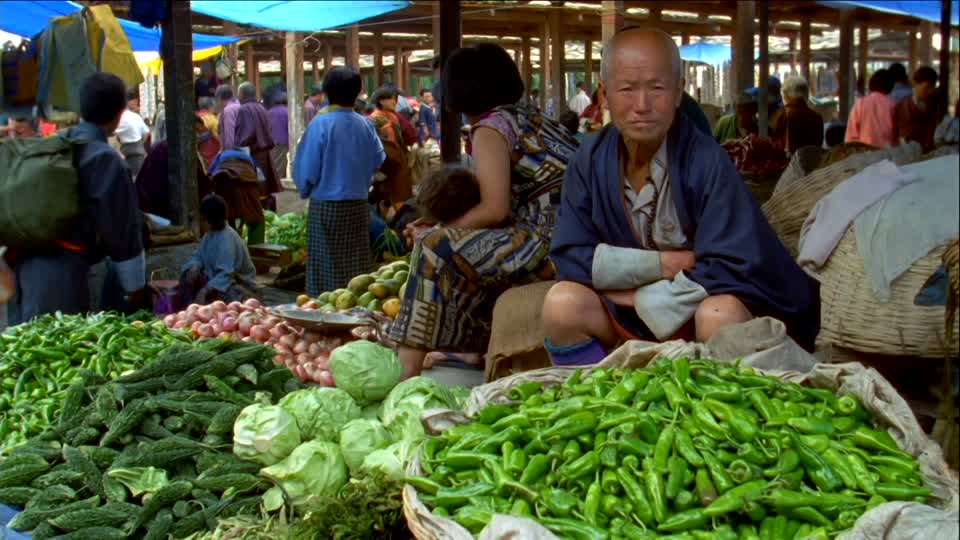
As you wander the stalls, look for strings of chugo (dried yak cheese), either white (boiled in milk and dried in the sun) or brown (smoked). The fruit that looks like an orange egg is actually fresh husky betel nut, imported from India. The jars of pink paste contain lime, which is ingested with the betel nut. There are also exotic-looking ferns, powdered juniper incense, and patties of datse, the cheese used in almost every Bhutanese dish.
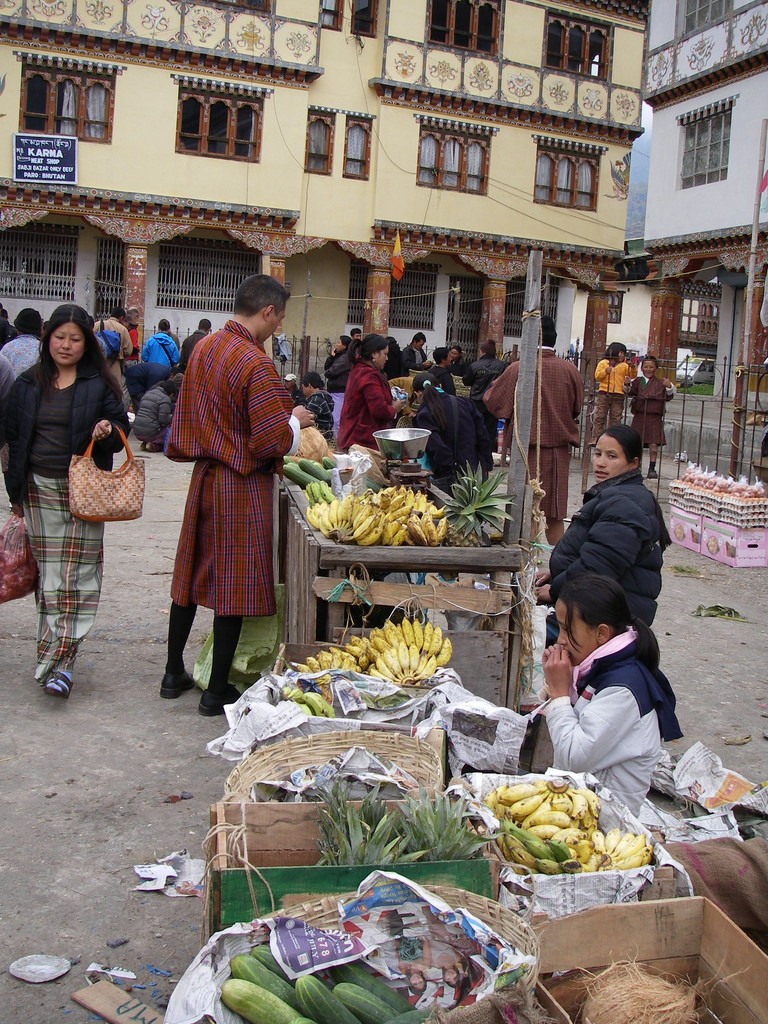
After visiting the market check out the action in the archery ground to the southeast, especially on weekends.
Punakha Dzong
Punakha Dzong is arguably the most beautiful dzong in the country, especially in spring when the lilac-coloured jacaranda trees bring a lush sensuality to the dzong’s characteristically towering whitewashed walls. This dzong was the second to be built in Bhutan and it served as the capital and seat of government until the mid-1950s. All of Bhutan’s kings have been crowned here. The dzong is still the winter residence of the dratshang (official monk body).


National Textile Museum
Thimphu’s best museum is part of the Royal Textile Academy and is the place to learn about Bhutan’s living national art of thagzo (weaving). The ground floor focuses on royal ghos, including the wedding clothes worn by the fourth king and his four wives. The upper floor introduces the major weaving techniques, styles of local dress and type of textiles made by women and men. The museum shop offers some interesting books and fine textiles. No photography.
Across the courtyard is the Royal Textile Academy conservation centre, where you can observe a small group of weavers working their looms.
National Institute for Zorig Chusum
This institute, commonly known as ‘the painting school’, operates four- to six-year courses that provide instruction in Bhutan’s 13 traditional arts. Students specialise in painting (furniture, thangkas – painted religious pictures, usually on canvas), woodcarving (masks, statues, bowls), embroidery (hangings, boots, clothes) or statue-making (clay). The craft demonstrations are a photographers’ dream and it’s hard not to be impressed with the skill and discipline of the young students. The showroom sells good-value pieces made by students.


Weekend Market, Thimphu
Thimphu’s ‘Weekend Market’ occupies the west bank of the Wang Chhu, just north of Changlimithang Stadium. Vendors from throughout the region start arriving on Thursday and remain until Sunday night. Most people combine a visit here with some souvenir shopping in the nearby Handicrafts Market. The incense area is one of the more interesting sections, full of deliciously aromatic raw ingredients and pink cubes of camphor and saffron that are used to flavour the holy water given to pilgrims in lhakhangs.
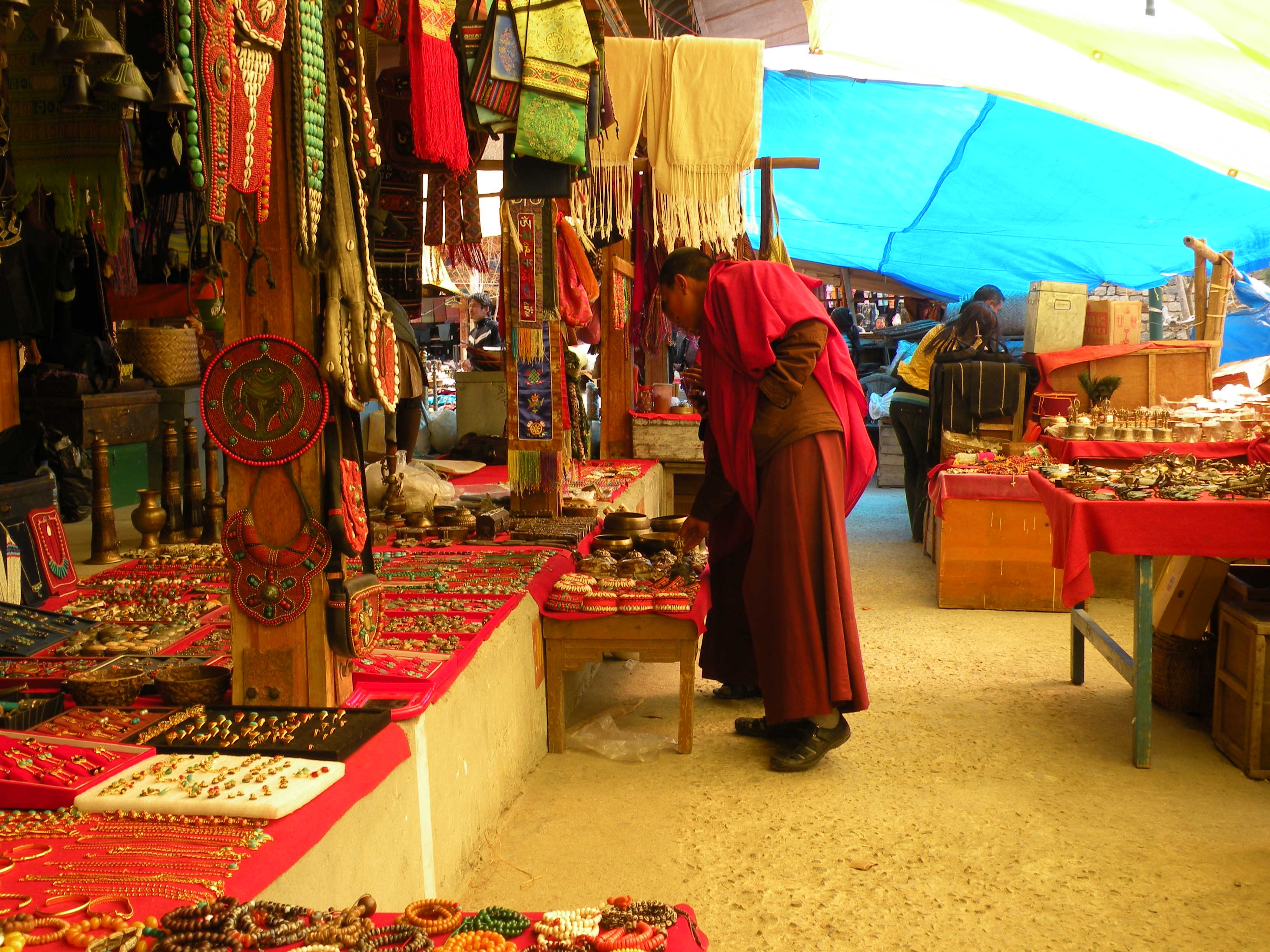
Wander around the stalls and you’ll find a pungent collection of dried fish, strips of fatty pork and discs of datse (soft cheese), as well as bottles of wild honey from southern Bhutan. During the winter you can even pick up a leg of yak (with the hoof still attached). Depending on the season, look out for banana pods, jackfruit and the curly fern fronds known as nakey. The cereals section has red rice and kapche, the ground roasted barley beloved by highland Bhutanese and Tibetans (known as tsampa across the Himalaya).

Buddha Dordenma
The huge 51m-tall steel statue of Buddha Dordenma commands the entry to the Thimphu valley. The massive three-storey base houses a large chapel, while the body itself is filled with 125,000 smaller statues of Buddha. The Buddha looks best in morning light, or at night when it is illuminated.
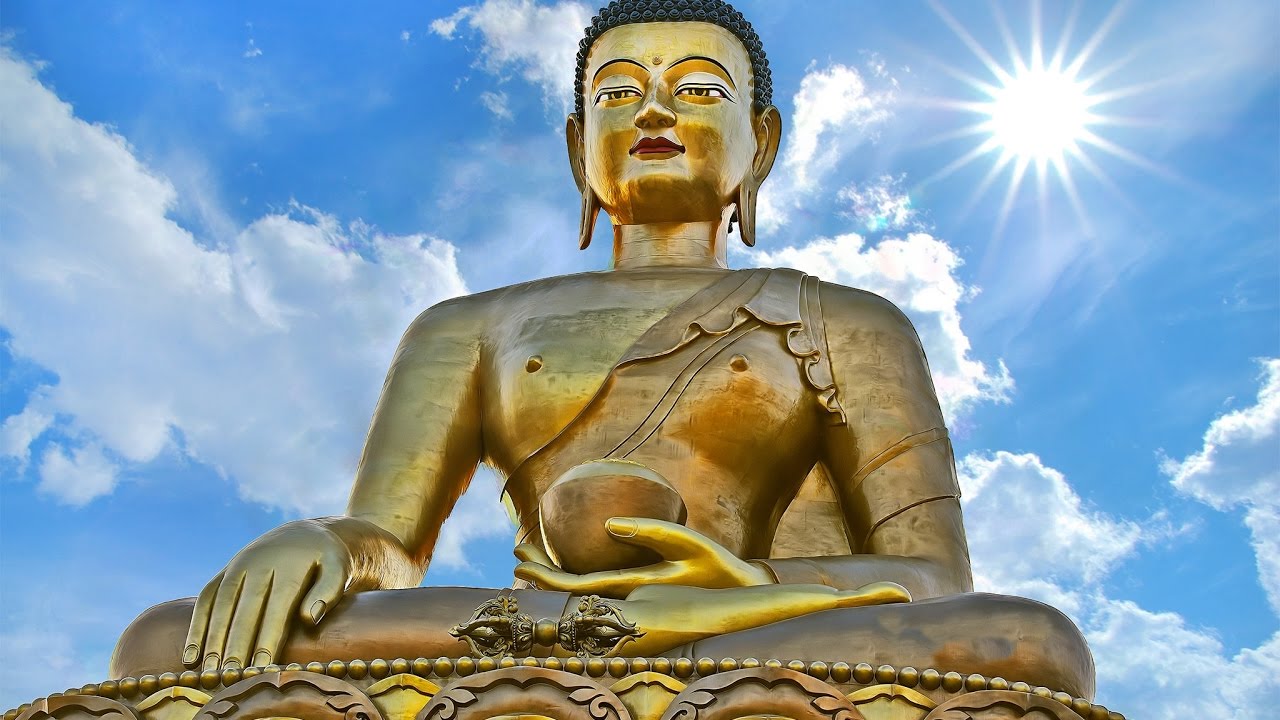
The statue was made in China (of course), cut into pieces and then shipped and trucked in from Phuentsholing – we would love to have seen the faces of the local farmers as the super-sized features of the Buddha drove by! The paved road to the site, also known as ‘Buddha Point’, passes a new Hindu temple and is a popular biking route. A 3.5km mountain-bike trail branches off from just below the Buddha site to Depsi, near Babesa. The area is also called Changri Kuensel Phodrang after the former palace of the 13th Druk Desi that once stood here.
Motithang Takin Preserve
A short distance up the road to the BBS tower viewpoint is a trail leading to a large fenced enclosure that was originally established as a zoo. It’s worthwhile taking the time to see these oddball mammals. The best time to see them is early morning, when they gather near the fence to feed.
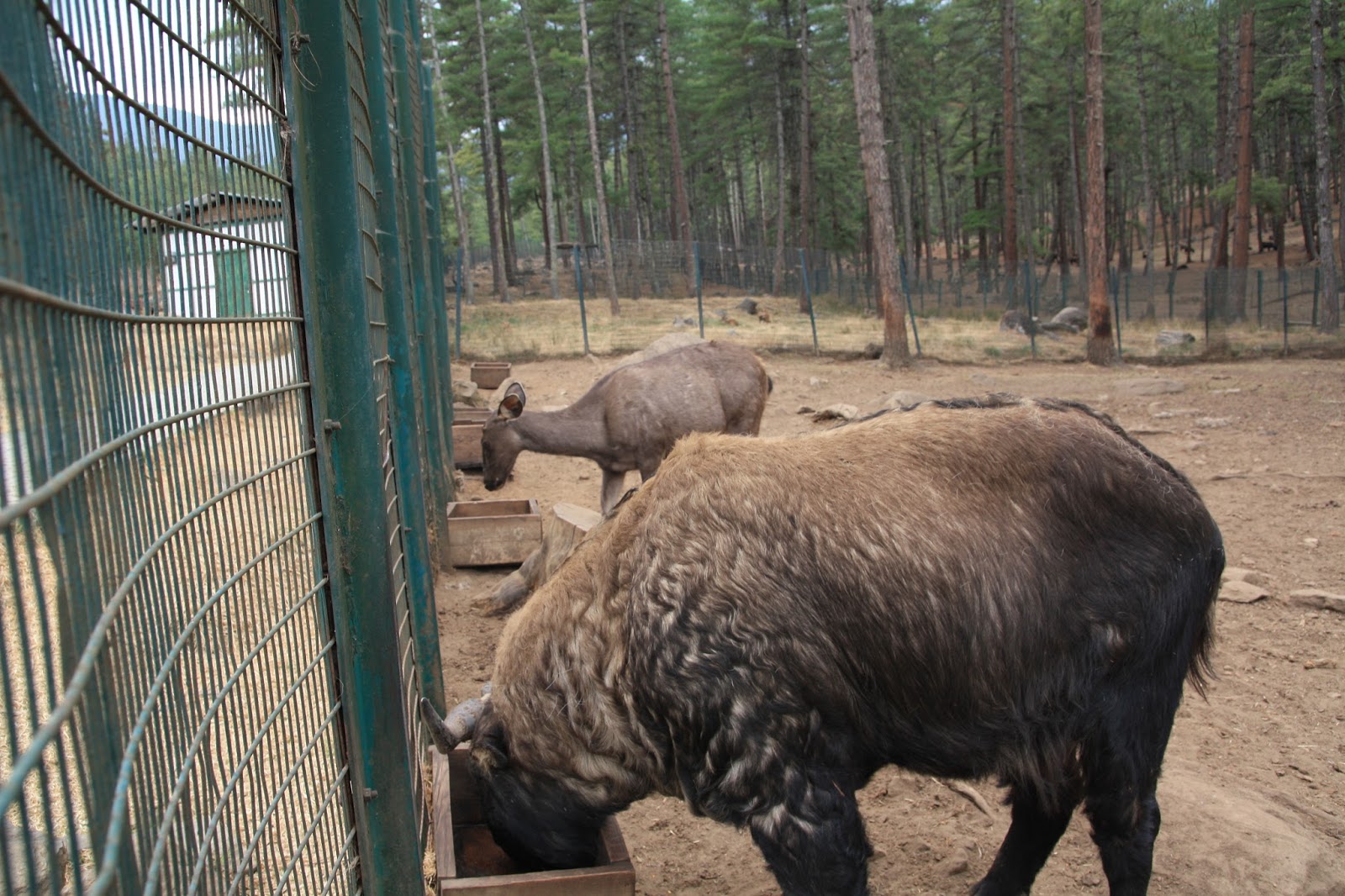
Some years ago the fourth king decided that a zoo was not in keeping with Bhutan’s environmental and religious convictions, and it was disbanded. The animals were released into the wild, but the takins, Bhutan’s national animal, were so tame that they wandered around the streets of Thimphu looking for food, and the only solution was to put them back into captivity.
Special thanks to lonely planet and the information provided by them. Some photos were taken from the internet and others are my own photos.

 Tulan Hayat
Leave a comment